
Little grebe
Tachybaptus
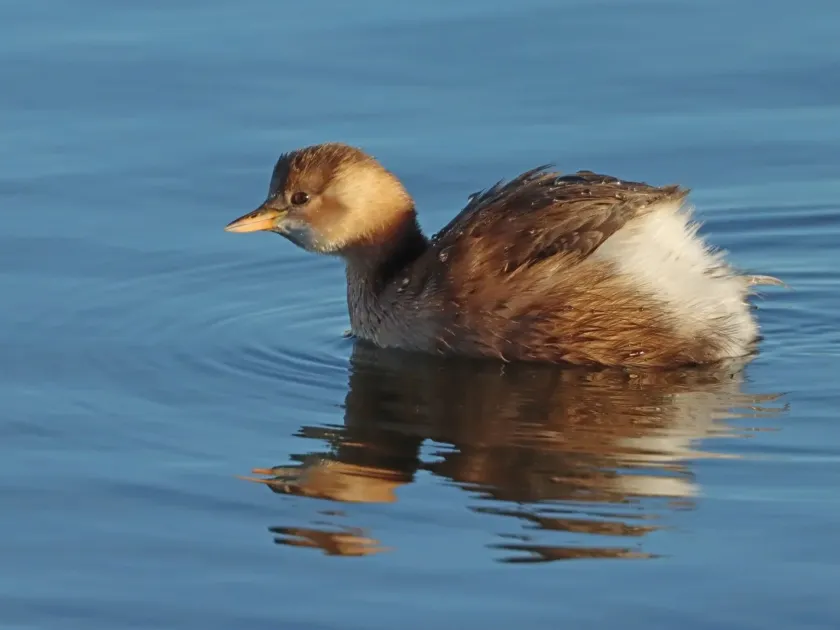
Description
How to identify
The Little grebe (Tachybaptus ruficollis) is a small aquatic bird belonging to the Podicipedidae family. It is known for its compact body and exceptional diving capabilities.
Adult birds exhibit distinct plumage changes; during the breeding season, they feature reddish-brown neck and cheek patches, while winter plumage is typically duller and greyish-brown.
They inhabit freshwater environments, favoring shallow, stagnant, or slow-moving water bodies with dense reed beds and aquatic vegetation for shelter.
Classified under the genus Tachybaptus, these birds are highly elusive, spending most of their time either swimming or hidden within vegetation, making them difficult to spot.
Their sharp, pointed bills are perfectly adapted for underwater hunting, which allows them to effectively target juvenile fish in managed pond systems.
What it damages
In the context of aquaculture, the Little grebe is considered a pest due to its role in predating on fish stocks, particularly fry in nursery ponds.
Their daily food requirements, especially during the breeding season, can lead to substantial losses in fish biomass, directly impacting commercial yields.
Beyond direct predation, their constant presence creates a disturbance factor, causing stress in fish populations and potentially reducing growth rates.
The damage is most severe in high-density aquaculture systems where juvenile fish are readily available and vulnerable to underwater predators.
Total economic impact varies based on the size of the water body, but sustained presence of these birds can lead to significant reductions in seasonal profitability.
When it appears
The activity of Little grebes in fish ponds is highly seasonal, peaking during the spring and summer months when breeding and nesting occur.
Arrival at the ponds typically coincides with the warming of water in spring, at which point the birds establish territories and construct floating nests.
Throughout the summer, the pressure on fish populations remains high as the birds actively feed their young, requiring a consistent supply of fish fry.
As autumn approaches, activity levels often decrease, though some individuals may remain in southern regions throughout winter if open water is available.
Understanding their seasonal breeding cycle is critical for pond managers to implement preventive measures before nesting begins.
Signs of infestation
A primary indicator of Little grebe activity is the unexplained depletion of fish populations, particularly within the shallow zones of the pond.
Frequent, repetitive diving in specific areas of the pond often signals that the birds are actively hunting and targeting concentrations of small fish.
The discovery of floating nests tucked away in dense reed vegetation is a clear sign that a breeding pair has established residence.
Characteristic vocalizations, often described as trills or high-pitched calls, serve as auditory cues for managers to identify the birds' presence.
- Rapid disappearance of young fish in nursery ponds.
- Disruption of reed beds and aquatic plants along the shoreline.
- Fish exhibiting avoidance behavior in areas where predators are diving.
Control measures
Managing the impact of Little grebes involves a combination of non-lethal deterrent methods to protect commercial fish stocks effectively.
Acoustic deterrents that broadcast alarm calls or predator sounds can successfully discourage these birds from occupying a specific pond area.
Vegetation management, including the thinning of dense reeds, reduces the availability of suitable nesting sites, forcing the birds to relocate.
Visual aids such as reflective materials or scarecrows can provide temporary relief by creating an environment perceived as unsafe by the birds.
Integrated management plans, which combine these methods with regular monitoring, are the most effective way to balance pond productivity with bird management.
Taxonomy
- Latin name
- Tachybaptus
- Family
- Podicipedidae
- EPPO code
- TACBSP
Discussion
No discussions yet — be the first.