
Great crested grebe
Podiceps cristatus
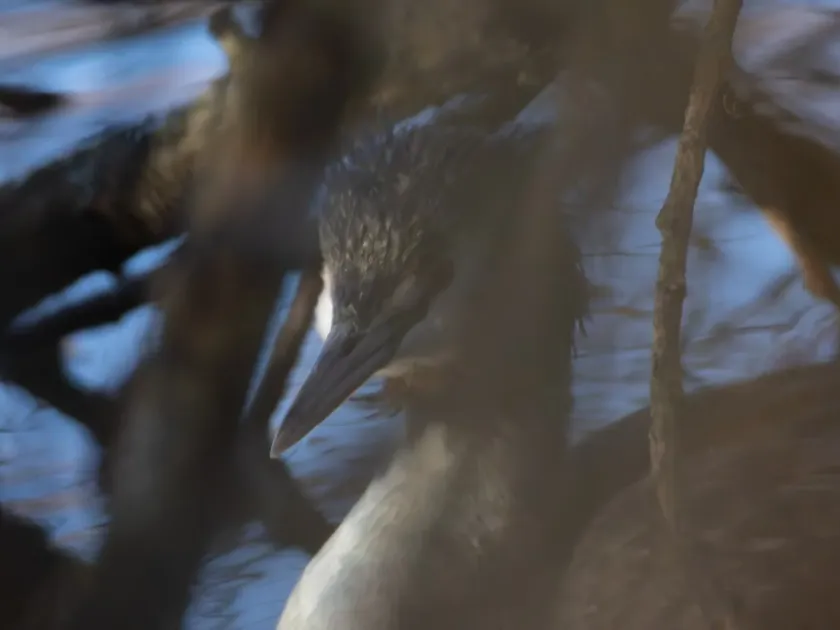
Description
How to identify
The great crested grebe (Podiceps cristatus) is a prominent water bird belonging to the order Podicipediformes and the family Podicipedidae.
It is characterized by a slender body, a long neck, and a sharp, pointed bill specifically adapted for catching fish while diving.
During the breeding season, adults develop striking black and chestnut crests and ruffs, making them easily identifiable in the water.
These birds inhabit freshwater bodies with abundant marginal vegetation, where they construct floating nests anchored to reeds or rushes.
They are highly specialized swimmers and divers, capable of remaining submerged for extended periods, which makes them efficient aquatic predators.
What it damages
From an agricultural and aquaculture perspective, the great crested grebe is viewed as a nuisance because it actively hunts fish in commercial ponds.
The diet consists mainly of small fish, including the fry of commercially valuable species raised in artificial nurseries and breeding ponds.
A high density of these birds in closed water systems can lead to significant losses of fish stock, directly impacting the profitability of the operation.
Grebes may act as secondary hosts for parasites that infect fish, potentially leading to health problems and reduced quality of the fish population.
Constant predation pressure causes stress among the fish, which can negatively affect their growth rate, feed conversion, and general vitality.
When it appears
The presence and activity of great crested grebes on ponds are most pronounced from early spring until the onset of autumn migration.
The peak of damage occurs during the breeding and rearing season, when adults require a constant supply of fish to feed their growing offspring.
Spring is marked by territory establishment and intense nesting activity, during which grebes are particularly tied to specific areas of the water body.
In summer, the predation pressure on juvenile fish is at its maximum, as the young grebes begin to hunt and require high protein intake.
Autumn brings a shift as the birds gather on larger, deeper water bodies before migrating, potentially changing the focus of their impact on local fisheries.
Signs of infestation
The most reliable sign of their presence is the frequent sight of birds surfacing after a long dive, often moving unpredictable distances.
Floating nests constructed from aquatic vegetation, usually located near the reed beds, are clear evidence of a resident population.
Specific vocalizations, including loud croaks and trills during mating displays, are characteristic indicators of their activity.
Evidence of damaged or discarded fish carcasses on the surface can indicate active hunting within the immediate vicinity.
Observed avoidance behavior by schools of fish, particularly when they dive deep or scatter rapidly, often suggests the presence of an aquatic predator.
Control measures
Managing grebes in aquaculture focuses on non-lethal deterrent methods to protect stock while adhering to wildlife conservation standards.
Visual deterrents, such as decoys of raptors or reflective strips placed over the water, can effectively discourage birds from settling in the pond area.
Physical barriers, including the installation of netting or overhead wires across nursery ponds, are highly effective in preventing access to the fish.
Habitat management, such as thinning or clearing emergent vegetation along the banks, reduces the number of suitable nesting sites for the birds.
Acoustic scaring devices that broadcast warning signals or predatory bird sounds can be used to keep grebes away from high-value fish zones.
Taxonomy
- Latin name
- Podiceps cristatus
- Family
- Podicipedidae
- EPPO code
- PODCCR
Discussion
No discussions yet — be the first.