
Pied-billed grebe
Podilymbus podiceps
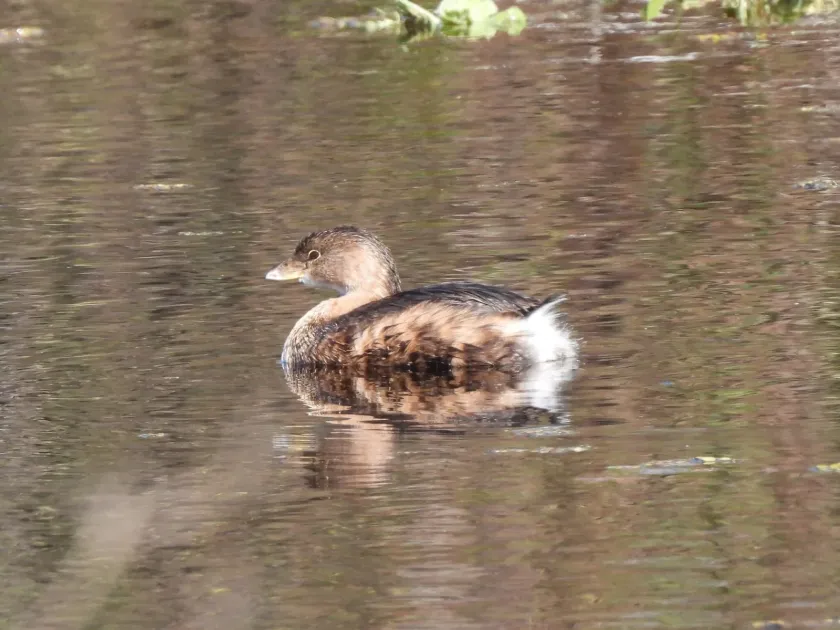
Description
How to identify
The scientific name Podilymbus podiceps corresponds to the Pied-billed grebe, which is a species of aquatic bird and not an agricultural pest in the traditional sense of crop damage.
However, in agricultural practice, the term is sometimes confused with wood-destroying fungi that affect the wooden structures of greenhouses and vegetable storage facilities.
Proper identification requires distinguishing between the bird species and pathogenic organisms like Serpula lacrymans, which are serious pests of wooden agricultural infrastructure.
Pathogenic wood-decay fungi belong to the Basidiomycota phylum and are responsible for significant structural damage in humid farming environments.
Agronomists must be precise in terminology to avoid confusion between avian fauna and structural pests that require professional biosecurity measures.
What it damages
The damage caused by decay fungi includes the degradation of cellulose in wooden support pillars, beams, and pallet storage, leading to loss of structural integrity.
Compromised greenhouse frames can lead to leaks, altered humidity levels, and poor thermal regulation, which directly impacts the health of cultivated crops.
In storage facilities, the presence of fungal pathogens increases the risk of contamination for stored produce, as spores can settle on crops and accelerate spoilage.
Structural failures due to wood rot pose safety risks for farm workers and may require expensive and time-consuming replacements of greenhouse components.
Indirect damage manifests as increased maintenance costs and the potential need for chemical remediation to protect remaining sound timber structures.
When it appears
Fungal activity is highest during periods of elevated humidity, typically occurring in the spring and autumn or throughout the year in controlled climate facilities.
Temperatures between 15°C and 25°C provide optimal conditions for the growth of fungal mycelium within wooden structures used in agriculture.
While the risk might decrease during hot, dry summer months, enclosed structures often maintain microclimates suitable for fungal persistence year-round.
The life cycle involves spore dispersal, colonization of wood, and the production of fruiting bodies, which often peak when conditions are damp and poorly ventilated.
Consistent monitoring during the winter months is essential in heated greenhouses to prevent hidden colonization of wooden support beams.
Signs of infestation
Early signs include the appearance of white, cotton-like mycelial mats on the surface of wooden posts, particularly near ground level where moisture is trapped.
As the decay progresses, the wood may exhibit color changes, turning brown and showing characteristic cubic cracking patterns as the internal structure breaks down.
The presence of fruiting bodies, often appearing as crust-like or undulating structures on the wood, indicates an advanced stage of infection and spore release.
A musty or earthy odor in a greenhouse or storage shed is a classic warning sign of underlying fungal development and wood degradation.
- White mycelial growths.
- Dark brown discoloration of timber.
- Wood splitting into cubic fragments.
- Distinctive musty smell.
Control measures
The most effective strategy for control is the strict management of moisture through improved ventilation and drainage systems within agricultural buildings.
Regular application of wood preservatives and specialized fungicides on all timber components creates a protective barrier against fungal spores.
Infected areas of wood must be physically removed and destroyed promptly to prevent the spread of the mycelium to healthy sections of the structure.
Isolation of wooden supports from direct soil contact using concrete bases prevents moisture uptake, which is a key factor in fungal colonization.
Routine inspections and the use of resistant building materials or chemically treated wood are vital for the long-term sustainability of greenhouse infrastructure.
Taxonomy
- Latin name
- Podilymbus podiceps
- Family
- Podicipedidae
- EPPO code
- PODLPO
Discussion
No discussions yet — be the first.