
Syncopacma larseniella
Syncopacma larseniella
Description
How to identify
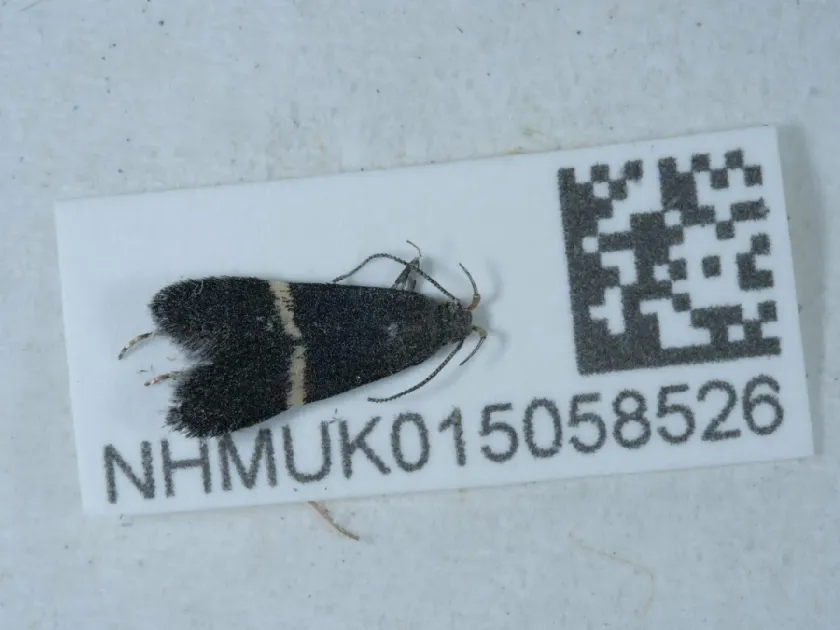
Syncopacma larseniella belongs to the Gelechiidae family, commonly known as twirler moths, within the order Lepidoptera. It is a small moth species that typically exhibits secretive behavior.
The adult moth possesses narrow wings with the characteristic venation of its family, allowing it to navigate easily within dense vegetation.
Field identification of this species is challenging due to its small size and the morphological similarities with other related species in the Syncopacma genus.
Larvae possess well-developed chewing mouthparts that enable them to feed efficiently on the tissues of host plants.
While the species is often found in natural habitats, it can migrate to agricultural fields when conditions are conducive to population growth.
What it damages
The primary damage is caused by the larvae (caterpillars), which specialize in feeding on plants of the Fabaceae family.
The pest is frequently observed on clover, alfalfa, and various wild legumes, impacting their vegetative parts.
Caterpillars feed on leaf tissues, creating mines or skeletonizing leaves, which reduces the plant's overall photosynthetic surface area.
Severe infestations can significantly stunt plant development and decrease the total biomass yield of the affected crops.
Damaged plants often become more susceptible to secondary fungal or bacterial infections due to the loss of physical integrity.
When it appears
The biological cycle of this species is closely linked to the phenology of host plants, with peak activity occurring during the growing season.
The overwintering stage typically involves larvae or pupae, which seek shelter in plant debris or the upper soil layers.
The emergence of the first generation of adults coincides with the spring regrowth of legume crops, ensuring early access to fresh food sources.
The number of generations per year is heavily dependent on regional climatic conditions and the length of the warm season.
Hot and dry weather patterns can accelerate the developmental stages of the larvae, leading to more intense crop damage during those periods.
Signs of infestation
The first sign of infestation is the appearance of rolled or deformed leaves, which the caterpillars bind together using silk.
Surface feeding marks, such as irregular holes or windowing, are often present on the leaf blades alongside caterpillar frass.
Careful inspection of rolled leaves will reveal the small larvae, which are typically very active when disturbed.
Wilting of specific leaf parts or premature yellowing of the foliage can also indicate the presence of this pest in the field.
- Silk webbing on the tips of leaves.
- Irregular feeding patterns on leaf surfaces.
- General decline in the vigor of affected shoots.
Control measures
Agronomic practices, such as crop rotation and the thorough removal of post-harvest crop residues, are essential for reducing overwintering sites.
Deep plowing following harvest helps destroy a significant portion of the population that has transitioned into the pupal stage in the soil.
Using pheromone or light traps for monitoring allows growers to track flight times and make data-driven decisions on chemical applications.
If economic thresholds are reached, the application of registered insecticides, such as pyrethroids or organophosphates, may be necessary.
Biological control options, including the use of entomopathogenic bacteria or encouraging natural predators, provide sustainable alternatives for larval management.
Taxonomy
- Latin name
- Syncopacma larseniella
- Order
- Lepidoptera (butterflies)
- Family
- Gelechiidae
- EPPO code
- SPCMLA
Discussion
No discussions yet — be the first.