
Syncopacma
Syncopacma
Description
How to identify
The genus Syncopacma belongs to the Gelechiidae family, commonly known as twirler moths. These are small insects characterized by narrow wings with a prominent fringe of hairs along the edges.
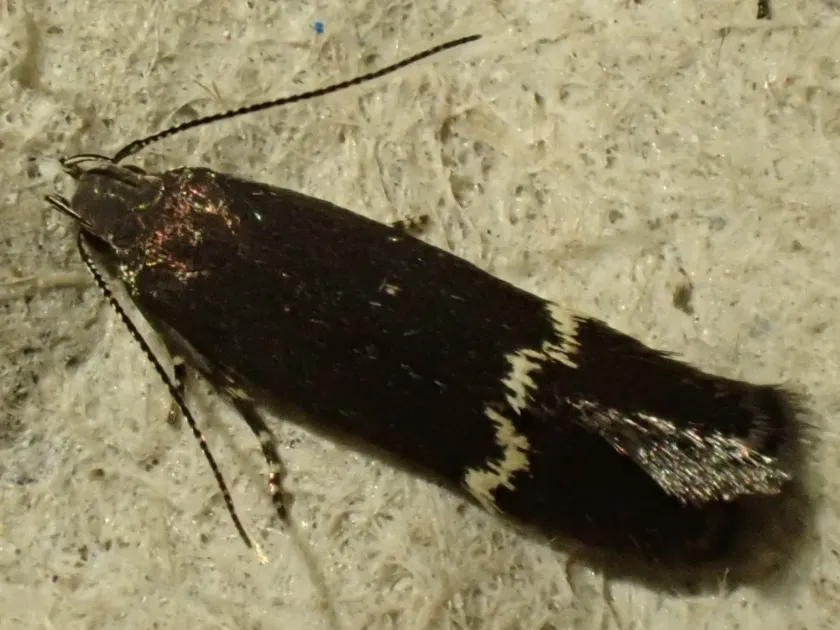
Adult moths typically exhibit dark coloration, ranging from charcoal grey to brownish-black, sometimes displaying a metallic sheen. With a wingspan of only 10–15 mm, they are often overlooked during routine field inspections.
Larvae are generally small, featuring a pale or yellowish body with a darker, well-defined head capsule. Their concealed lifestyle within plant tissues makes them challenging to detect until damage becomes significant.
The lifecycle follows complete metamorphosis, consisting of egg, larva, pupa, and adult stages. Overwintering typically occurs as larvae within plant debris or upper soil layers, providing protection against extreme cold.
Environmental conditions, particularly temperature and humidity, play a crucial role in population dynamics. Favorable weather patterns can lead to rapid outbreaks in susceptible legume crops.
What it damages
Species within the Syncopacma genus primarily target plants in the Fabaceae family. Key crops affected include alfalfa, clover, and various wild leguminous species essential for forage and nitrogen fixation.
The larvae are specialized to feed on reproductive organs, including flower buds, developing florets, and seed pods. This feeding behavior directly causes severe yield loss in seed production areas.
Larvae often create protective shelters by binding leaves together with silk, forming nests. These structures shield the pests from external threats, including predators and certain topically applied insecticides.
Under outbreak conditions, the larvae can destroy a large portion of a plant's flowers, effectively halting the production of viable seeds and weakening the overall vigor of the crop.
Beyond direct consumption, the damaged plant tissues become vulnerable to secondary bacterial and fungal pathogens, which can lead to further decay and lower quality of the harvestable crop.
Signs of infestation
A primary indicator of infestation is the presence of deformed, curled leaves fastened together with silk threads. Inspecting these nests usually reveals the larvae or their frass inside.
Evidence of damage on reproductive organs is characterized by withered buds and premature flower drop. If pods or flowers appear hollowed out or perforated, it strongly suggests larval feeding activity.
Silken webs visible on terminal shoots are common signs of activity. Such areas of the crop often show distinct chlorosis or stunted growth compared to healthy portions of the field.
Adult moths are nocturnal or crepuscular, making them difficult to observe during the day. Monitoring for the presence of adults is most effective using light or pheromone traps during the evening hours.
In cases of high infestation, the total canopy may appear sparse or show signs of desiccation due to the larvae feeding on vital growth points and reproductive structures.
Control measures
Effective management begins with robust cultural practices, such as deep fall plowing, which buries and destroys the overwintering larval population present in plant residues.
Maintaining spatial isolation between new legume fields and older, potentially infested sites is a critical preventative measure to reduce the risk of natural migration of the pest.
Chemical control involving systemic insecticides is recommended during periods of peak larval emergence. Applications should be timed precisely with the developmental stages of the larvae to ensure maximum efficacy.
Biological control strategies, utilizing products containing Bacillus thuringiensis or entomopathogenic fungi, provide an environmentally friendly alternative, particularly when applied early in the infestation cycle.
Integrated Pest Management (IPM) protocols, including the use of pheromone traps, allow for better forecasting and decision-making, ensuring that interventions are both cost-effective and sustainable for the crop.
Taxonomy
- Latin name
- Syncopacma
- Order
- Lepidoptera (butterflies)
- Family
- Gelechiidae
- EPPO code
- SPCMSP
Discussion
No discussions yet — be the first.