
Sycamore scale
Stomacoccus platani
Description
How to identify
The Sycamore scale (Stomacoccus platani) is a small, specialized insect belonging to the order Hemiptera and the family Margarodidae. Adult females are typically small and cryptic, often obscured by the white, waxy secretions they produce for protection.
The life cycle is intricate, with the first-instar nymphs, known as crawlers, being highly mobile. This mobility allows them to traverse the bark and find suitable feeding sites on the host tree during the growing season.
Males are winged and significantly rarer than females. They play a role in sexual reproduction, though the species is also capable of parthenogenesis, which facilitates rapid population growth in favorable conditions.
The insect is specifically adapted to the bark characteristics of Platanus species, using the deep fissures and crevices of the bark as a refuge. Its size and habits make it difficult to detect during the early stages of colonization.
In non-native regions, the absence of natural enemies such as parasitoid wasps or ladybird beetles can lead to population explosions, causing significant damage to urban tree populations.
What it damages
The Sycamore scale primarily feeds on various species of plane trees, including the American sycamore and the London plane. It extracts nutrients from the cambium and phloem of twigs and small branches.
Feeding activities cause localized tissue damage and necrosis beneath the bark. This structural impairment weakens the tree's vascular system, hindering the efficient transport of water and nutrients.
Heavy infestations result in leaf yellowing, early defoliation, and overall canopy thinning. For landscape trees, this loss of aesthetic value is often the primary concern for arborists and city officials.
Young trees are particularly vulnerable, as repeated damage can stunt growth and weaken the structural integrity of twigs, potentially leading to branch dieback over several seasons.
Furthermore, the physical damage to the bark layers creates entry points for secondary pathogens and wood-decaying fungi, which can lead to long-term health decline of the tree.
Signs of infestation
The most prominent sign of an infestation is the presence of white, cotton-like masses in the bark crevices. These are waxy secretions protecting the eggs and developing stages of the scale insect.
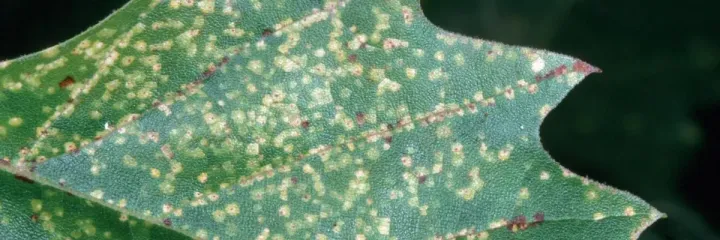
Leaves on infected trees often exhibit chlorosis or necrotic spotting. This is a direct consequence of the stress placed on the tree’s nutritional system by the scale population feeding on the twigs.
Abnormal bark exfoliation can occur, revealing discolored patches or galleries beneath the surface. Closer inspection of these areas usually reveals colonies of the pest in various developmental stages.
The secretion of honeydew by the scale often promotes the growth of sooty mold, a black fungal film that coats the bark and leaves, interfering with photosynthesis and gas exchange.
A general lack of vigor, reduced annual terminal growth, and thinning foliage are common symptoms observed in mature trees that have been infested for several years.
Control measures
Effective management strategies typically involve the use of systemic insecticides that are absorbed into the vascular system of the tree, targeting the scale insects as they feed.
Treatment timing is critical and should coincide with the peak crawler activity. Monitoring programs are essential to determine the precise window for applying contact or systemic treatments.
Cultural practices include the removal of dead or heavily infested branches. Maintaining overall tree health through adequate irrigation and fertilization helps the tree withstand the pressure from the infestation.
Biological control methods involving the release or conservation of beneficial predators, such as coccinellid beetles, can provide a sustainable way to suppress scale numbers in parks and gardens.
- Use of dormant oils during the tree's winter rest period to smother overwintering stages.
- Installation of pheromone traps to monitor adult male activity and time chemical applications.
- Regular inspection of bark surfaces in early spring to detect early colonization.
Taxonomy
- Latin name
- Stomacoccus platani
- Order
- Hemiptera (bugs, aphids, leafhoppers)
- Family
- Coccidae
- EPPO code
- STOAPL
Discussion
No discussions yet — be the first.