
Stegasta
Stegasta
Description
How to identify
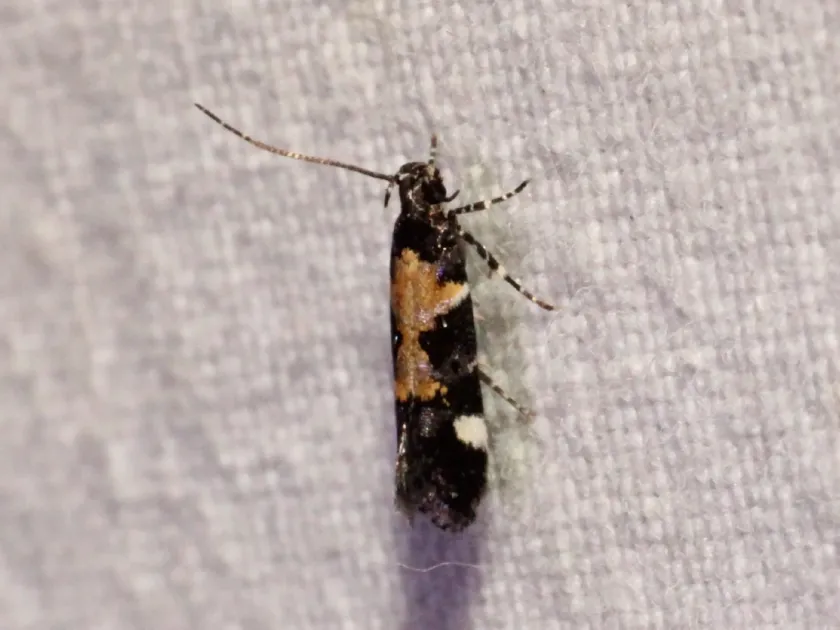
Stegasta (scientific name: Stegasta bosquella) is a species of moth belonging to the family Gelechiidae. The adult moth is small, with a wingspan of approximately 10–12 mm, featuring a distinctive brownish-gray coloration with dark markings on the forewings.
The larvae, or caterpillars, undergo several developmental stages, changing color from pale yellow to reddish or greenish as they mature. The head capsule of the larva is typically dark, which serves as a key identifying feature during field inspections.
The biology of this species is closely tied to warm climatic conditions. Its life cycle encompasses the egg, larva (caterpillar), pupa, and adult stages. Under favorable temperatures, the development from egg to adult takes approximately 3–4 weeks.
Adult moths are primarily nocturnal or crepuscular, exhibiting a secretive behavior. Pupation occurs in the soil or within plant debris, allowing the pest to successfully overwinter in sheltered environments.
A critical factor in the pest's survival is its high reproductive capacity when food sources are abundant. Multiple generations can occur within a single growing season, significantly increasing the potential for infestation in agricultural fields.
What it damages
The primary host crop for Stegasta bosquella is the peanut (groundnut). This pest can cause substantial economic losses by reducing both the quality and quantity of the harvested crop.
Young larvae feed primarily on the young leaflets, webbing them together. This behavior leads to leaf deformation and disrupts the plant's normal photosynthetic efficiency.
As the larvae grow, they progress to feeding on tougher tissues, including terminal buds and growing points. In cases of high infestation, the larvae can destroy a significant portion of the peanut plant's vegetative mass.
Beyond direct tissue consumption, larval damage creates entry points for secondary infections. Plants weakened by Stegasta are more susceptible to opportunistic fungal and bacterial pathogens.
The pest is particularly dangerous during the active vegetative growth phase. Loss of foliage during this critical period delays pod development and results in a severe decline in overall yield.
Signs of infestation
The first indicator of infestation is the appearance of curled or webbed leaflets at the top of the plant. Carefully opening these webbed structures will reveal the presence of the larva.
Early signs also include small, irregular holes in the leaves. As the infestation progresses, these holes grow, and the plant may appear stunted or chlorotic due to damaged growing tips.
Adult presence can be confirmed using light traps during night hours. Another tell-tale sign is the presence of frass (larval droppings), appearing as tiny dark granules within the folded leaves.
In the field, infestations often appear in clusters or patches. Regular scouting following crop emergence is essential for early detection before the population reaches damaging levels.
When inspecting, it is important to check the condition of the terminal buds. Damage to these areas often causes the plant to lose its apical dominance, leading to increased lateral branching and structural irregularities.
Control measures
Integrated Pest Management (IPM) is essential. Cultural practices, including crop rotation and the thorough destruction of crop residues after harvest, are vital to eliminate overwintering pupal sites.
Chemical control remains the most effective intervention when populations exceed economic thresholds. Systemic insecticides applied during the early larval hatching stages offer the highest level of efficacy.
It is crucial to rotate insecticides with different modes of action to prevent the development of pesticide resistance. Applications must strictly adhere to local regulatory guidelines and safety labels.
Biological control options, such as the use of natural predators or Bacillus thuringiensis-based bio-insecticides, provide viable alternatives that can reduce the overall chemical footprint of the management program.
- Monitor populations using pheromone traps
- Implement strict weed control to remove alternative hosts
- Time planting dates to avoid peak pest activity
- Apply insecticides based on economic threshold levels
Taxonomy
- Latin name
- Stegasta
- Order
- Lepidoptera (butterflies)
- Family
- Gelechiidae
- EPPO code
- STEASP
Discussion
No discussions yet — be the first.