
Spilarctia bifasciata
Spilarctia bifasciata
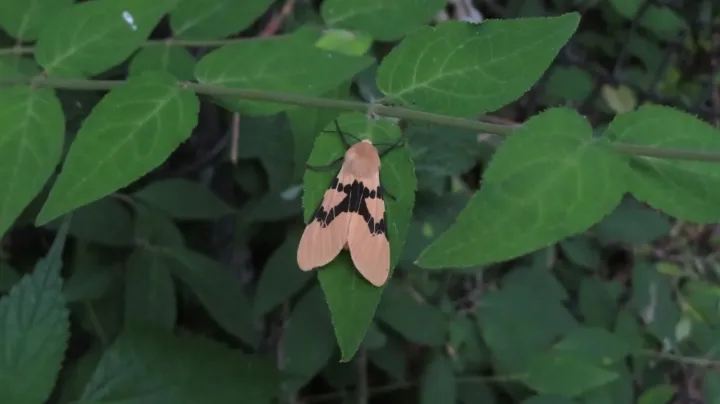
Description
How to identify
Spilarctia bifasciata is a moth species belonging to the Erebidae family, subfamily Arctiinae. These moths are recognized by their distinct wing patterns and often yellowish-brown coloration.
The larvae, known as caterpillars, are typically covered in dense, long hairs. This provides them with a level of protection against predators and environmental stressors during their development.
Adult moths are nocturnal and are frequently drawn to artificial lights at night, which can be a key method for monitoring their population levels in agricultural areas.
The species follows a complete metamorphosis life cycle, consisting of egg, larva, pupa, and adult stages. The pupal stage is the primary overwintering phase.
Understanding the life cycle is crucial for timing interventions, as the larvae are the stage responsible for nearly all economic damage to vegetation.
What it damages
This species is considered a polyphagous pest, meaning it attacks a broad range of plant hosts, including vegetable crops and various ornamental species.
The larvae feed primarily on the leaves, consuming both soft tissue and, in advanced stages, tougher plant parts, which can lead to significant defoliation.
Heavy feeding by Spilarctia bifasciata larvae severely impairs the plant's photosynthetic ability, reducing overall vigor and slowing fruit maturation.
Large-scale infestations can cause total destruction of foliage, leading to secondary vulnerability to plant pathogens and environmental stress.
Economic loss occurs not only through direct biomass removal but also through the reduced market quality of the harvest due to stress-induced stunted growth.
When it appears
Adult emergence typically begins in the early summer months, influenced by increasing temperatures which trigger the development from pupae.
The peak feeding activity of the larvae usually coincides with the mid-summer vegetative growth stage of most crops, making this the most critical time for monitoring.
Depending on the climatic zone, the pest may produce one or two generations per year, with the final generation preparing for winter hibernation.
Late summer larvae are particularly important to monitor as they build the energy reserves necessary for the successful survival of the pupal stage through winter.
Agricultural managers should look for signs of pest presence from June through August to ensure timely implementation of management strategies.
Signs of infestation
The presence of Spilarctia bifasciata is often marked by irregular chewing marks along the leaf edges or holes appearing in the center of the leaf blades.
Fecal matter (frass) left on the foliage or on the ground beneath the plant is a reliable indicator of active caterpillar feeding.
The actual sighting of fuzzy, hairy larvae, especially in the mornings or evenings, is the most direct confirmation of an ongoing infestation.
Leaves showing signs of skeletonization—where only veins remain—suggest that larvae have been present on the plant for several days.
- Hairy caterpillars found on the underside of leaves.
- Yellowing or premature senescence of leaves near the feeding sites.
- Visible damage to leaf margins caused by larvae.
Control measures
Cultural control practices, such as clean cultivation and weed removal, are essential for reducing the alternate host plants available to the larvae.
Biological control, including the application of Bacillus thuringiensis sprays, is highly effective against young larvae while preserving beneficial insects.
Chemical control should be applied using selective insecticides during the early larval stages, as mature caterpillars are often more resistant to standard treatments.
Deep plowing in late autumn or early spring can disrupt the soil environment where pupae overwinter, significantly lowering the local pest population.
Regular field scouting and the use of light traps are recommended to gauge population density and decide if or when chemical intervention is necessary.
Taxonomy
- Latin name
- Spilarctia bifasciata
- Order
- Lepidoptera (butterflies)
- Family
- Erebidae
- EPPO code
- SPIABI
Discussion
No discussions yet — be the first.