
Achaea catella
Achaea catella
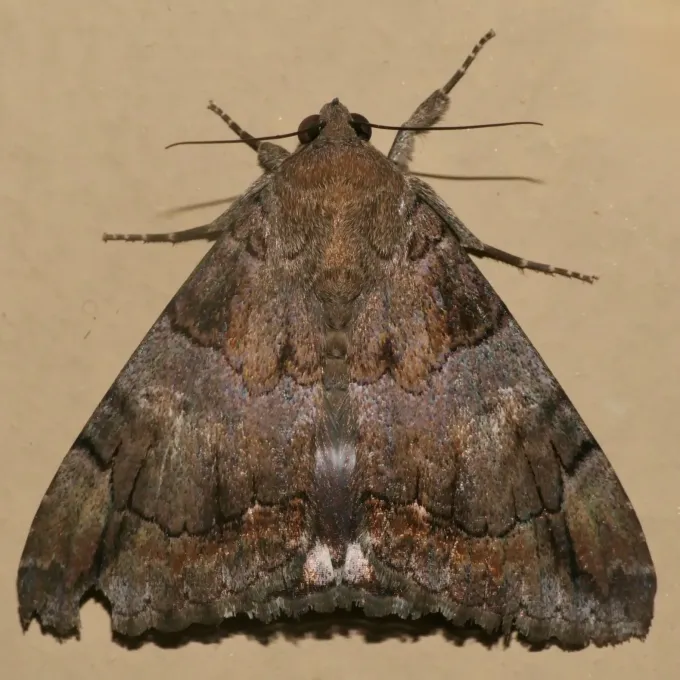
Description
How to identify
Achaea catella is a moth species belonging to the Erebidae family. The adult insect is a nocturnal moth with a wingspan of approximately 50-60 mm, displaying cryptic coloration in various shades of grey and brown that mimics tree bark.
The larvae, or caterpillars, are known for their variable coloration, ranging from light green to brown, often featuring longitudinal stripes that blend in with the leaf tissue of their host plants.
The life cycle follows a complete metamorphosis consisting of four stages: egg, larva, pupa, and adult. Each stage is highly sensitive to environmental factors, especially temperature and humidity, which dictate the speed of development.
Females typically deposit eggs directly on the leaves of host plants, ensuring that the hatched larvae have immediate access to nutrients for their rapid growth during the early instars.
Natural biological controls, including various parasitoids like braconid wasps and tachinid flies, often play a significant role in limiting population explosions in healthy ecosystems.
What it damages
Achaea catella is widely recognized as a significant pest of the castor bean plant (Ricinus communis). The larvae are aggressive defoliators and can consume large portions of leaf tissue in a short period.
Feeding damage typically begins with small holes in the leaves, progressing to the consumption of the entire leaf blade, leaving only the primary veins behind. This results in severe physiological stress for the crop.
In cases of severe infestation, complete defoliation can occur, which severely impacts the plant's ability to produce oils and reduces overall yield significantly for commercial producers.
Young plants are particularly vulnerable, as caterpillars can destroy the terminal buds, leading to stunted growth, reduced vigor, or the total death of the crop plant.
Furthermore, the physical damage created by larvae provides entry points for various secondary infections, including fungal and bacterial pathogens that further compromise crop health.
Signs of infestation
The earliest signs of an infestation include the presence of irregular holes in the leaves, often accompanied by the characteristic feeding pattern of larvae devouring leaf margins.
Accumulation of frass (caterpillar excrement) on the leaves or on the ground beneath the plant is a clear indication that a colony of larvae is actively feeding in the vicinity.
Direct observation of the larvae, particularly on the underside of leaves or at the base of the plant during dusk or dawn, provides definitive confirmation of the pest presence.
Visible changes in plant architecture, such as wilting or damaged growing tips, indicate that the infestation has reached a level where it is affecting the core structure of the plant.
Adult moth activity near light sources at night serves as a useful diagnostic signal for agronomists, indicating that the breeding season has begun and that field scouting should be intensified.
Control measures
Biological control using microbial insecticides, such as those derived from Bacillus thuringiensis, offers an effective way to manage caterpillar populations while minimizing impact on beneficial insects.
Cultural practices, including proper soil tillage at the end of the season, are essential to disrupt the pupal stage, effectively burying them and reducing the survival rate for the next generation.
Chemical intervention should be based on threshold monitoring. If economic damage thresholds are met, appropriate insecticides with contact or systemic action should be applied to protect the foliage.
Effective weed management is a critical preventive measure, as various weeds act as alternative host plants, allowing the pest population to survive and move into the main crop at a later stage.
The use of light traps and pheromone monitoring systems allows farmers to detect the arrival of adult moths early, facilitating timely interventions before the larval population becomes too large to control.
Taxonomy
- Latin name
- Achaea catella
- Order
- Lepidoptera (butterflies)
- Family
- Erebidae
- EPPO code
- ACAECL
Discussion
No discussions yet — be the first.