
Achaea dasybasis
Achaea dasybasis
Description
How to identify
Achaea dasybasis is a species of moth belonging to the family Erebidae. Taxonomically, it is closely related to species previously classified within the Noctuidae family, sharing similar morphological characteristics in its adult and larval stages.
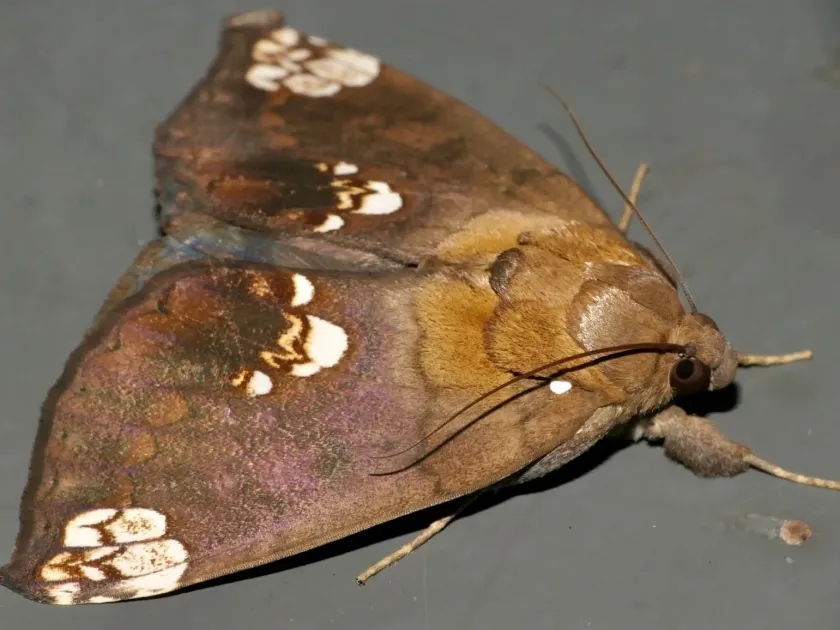
The adult moth exhibits a cryptic coloration pattern that serves as an effective camouflage, mimicking tree bark. This protective adaptation allows them to remain hidden from predators and human observers during the daylight hours.
The larval stage consists of caterpillars with a robust biting mouthpart, highly adapted for consuming significant amounts of foliage. They vary in color and pattern, often blending in with the plant parts they inhabit.
Pupation typically occurs in protected sites such as leaf litter or within the top layers of the soil. This life stage is particularly resistant to environmental fluctuations, ensuring the species' survival across seasons.
Identification is primarily achieved through examination of adult wing patterns and the specific damage morphology left by larvae. Field scouts are trained to distinguish these signs from other common foliage feeders.
What it damages
This pest is known to affect various tree and shrub species, particularly in orchard environments. Larvae are the primary cause of damage during their intense feeding stage, consuming leaves until only veins remain.
Adult moths are capable of damaging developing fruit. By piercing the skin with their proboscis, they feed on fruit juices, which not only causes direct loss of yield but also introduces secondary pathogens.
Severe defoliation weakens the overall health of the tree, potentially reducing its ability to store energy for the subsequent growing season and increasing susceptibility to other biotic and abiotic stresses.
In nursery settings, the presence of these larvae can lead to the destruction of young growth, causing significant economic losses to plant producers and impacting the vigor of young trees.
The species exhibits a high degree of adaptability, which allows it to thrive in diverse planting systems and expand its host range when primary food sources are depleted or unavailable.
When it appears
The life cycle of Achaea dasybasis is heavily influenced by regional climatic conditions, particularly temperature and humidity. Warm environments support multiple generations within a single season.
Nocturnal activity characterizes the adult stage, with peak flight times observed during warm summer evenings when mating and oviposition occur. Lights are a major attractant for these moths.
The larval feeding phase is most prominent during the peak growth period of host plants. Timing control measures during this window is critical to preventing extensive damage to the canopy and fruit.
Overwintering occurs primarily as a pupa, hidden in the soil or organic debris, which protects the insect from winter temperatures and prepares it for emergence in the following spring.
Accurate prediction of seasonal outbreaks relies on the integration of pheromone trap data and historical temperature records, allowing for more precise timing of management interventions.
Signs of infestation
Visible signs of infestation include skeletal leaves and noticeable defoliation in specific sections of the canopy. The presence of larval frass on leaves or at the base of trees is a diagnostic indicator.
Fruit damage often appears as small, dark puncture points that may later develop into necrotic spots or rotting areas, which are frequently followed by premature fruit drop.
Monitoring for adults is facilitated by the use of light traps, which provide a clear indication of population pressure in the immediate area. Captures in these traps signal the need for field inspections.
Reduced vigor and chlorotic appearances of leaves in heavily infested areas are common secondary signs, resulting from the cumulative stress placed on the plant by feeding larvae.
Early detection involves inspecting the undersides of leaves for egg masses, which is the most proactive way to manage populations before large-scale defoliation begins.
Control measures
Chemical control focuses on the use of insecticides specifically timed for young larval stages, ensuring maximum efficacy and preventing the maturation of the next generation of moths.
Integrated Pest Management (IPM) incorporates the use of biological controls, such as beneficial predators and parasitoids, which naturally regulate population levels without the need for broad-spectrum chemicals.
Cultural practices, including the removal of leaf litter and cultivation of the soil surface, are effective at disrupting the pupal stage, thereby reducing the overwintering population density.
The use of pheromone-based mating disruption can be a highly sustainable tool, preventing the successful reproduction of the moth population while leaving beneficial insects unharmed.
- Regular monitoring of orchard populations.
- Application of microbial pesticides like Bacillus thuringiensis.
- Maintenance of orchard hygiene to remove pest habitats.
Taxonomy
- Latin name
- Achaea dasybasis
- Order
- Lepidoptera (butterflies)
- Family
- Erebidae
- EPPO code
- ACAEDA
Discussion
No discussions yet — be the first.