
Maize billbug
Sphenophorus cicatristriatus
Description
How to identify
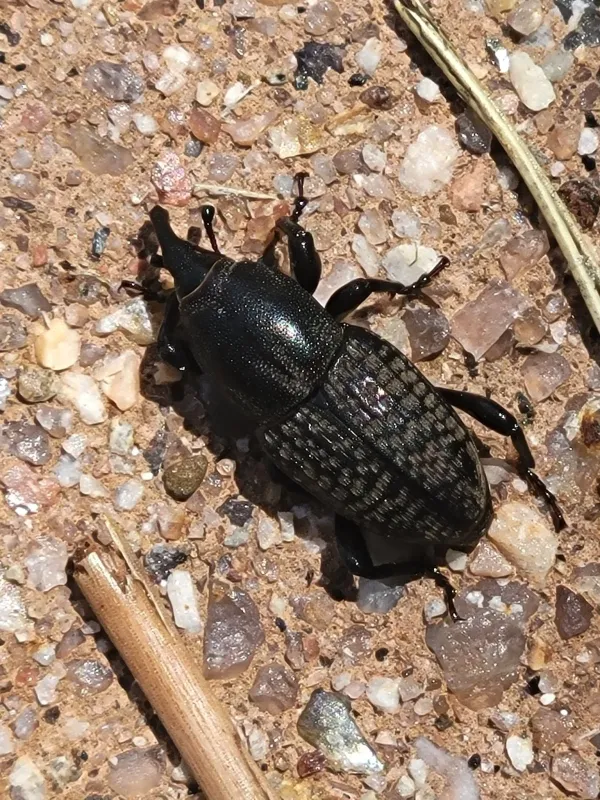
The maize billbug (Sphenophorus cicatristriatus) is a member of the Curculionidae family, commonly known as weevils. These insects are significant pests for various cereals, including maize, especially in regions with favorable climatic conditions.
Adult beetles are approximately 8–10 mm long, typically dark brown or black. They possess a long snout, characteristic of the weevil family, which they use to feed on plant tissues and create egg-laying sites in the stems.
The larvae are legless, C-shaped, and creamy-white in color with a well-developed, hard brown head capsule. Their primary role in the life cycle is feeding inside the plant stems or roots, leading to internal structural damage.
Adults are hardy and can overwinter in soil or crop residues. Their life cycle is highly dependent on environmental humidity and temperature, making them a recurring challenge in fields where they are already established.
Due to their secretive nature and tendency to hide during the day, observing them directly can be difficult. Monitoring usually relies on identifying their impact on the crop rather than spotting the beetles themselves.
What it damages
Maize is the primary host for this pest. Adult billbugs feed on young corn seedlings by creating symmetrical holes in the leaves or gouging the stem base, which can result in stunted growth or death of the seedling.
Larval feeding causes the most severe damage. Larvae tunnel into the base of the corn stalk or into the root system, disrupting the plant's ability to transport water and nutrients effectively.
Infested plants often exhibit signs of physiological stress, including wilting, reduced height, and poor development. In severe cases, the structural integrity of the stem is compromised, leading to plants falling over, especially under windy conditions.
The damage caused by larvae creates entry points for various pathogens, including fungi and bacteria. This secondary infection further weakens the plant and significantly degrades the quality and quantity of the harvest.
In fields with high population density, maize billbugs can cause substantial stand loss, forcing farmers to consider replanting if the damage reaches an economic threshold that cannot be managed otherwise.
Signs of infestation
One of the earliest signs of a maize billbug infestation is the appearance of rows of symmetrical holes across the leaf blades of young plants. These holes are created while the leaf is still unfurled.
Wilting of the central leaf, or "flag leaf," during hot, dry periods is a strong indicator that the root system or the base of the stem has been compromised, preventing proper hydration.
Inspecting the soil around the base of the plant often reveals the presence of frass (larval excrement), which looks like sawdust or ground-up plant material, indicating active feeding inside the stalk.
- Severe stunting compared to adjacent, healthy plants.
- Stem lodging due to internal structural destruction.
- Poor, uneven stand establishment throughout the field.
- Yellowing of lower leaves due to restricted nutrient uptake.
To confirm an infestation, carefully slice open the lower part of the stem of a suspect plant. Finding a larva or a hollowed-out tunnel is definitive evidence of the maize billbug's presence.
Control measures
Crop rotation is the most effective cultural practice for controlling the maize billbug. Moving away from corn for at least one or two seasons helps break the life cycle of the pest in that field.
Deep fall tillage can help disturb overwintering larvae and expose them to harsh weather conditions and natural predators. Controlling wild grasses and weeds is also essential to remove alternative food sources.
Using systemic insecticidal seed treatments is the standard approach for protecting corn from billbug damage during the vulnerable early growth stages. This provides a foundation of defense before the seedlings emerge.
If population counts exceed economic thresholds, foliar applications of contact insecticides may be necessary. Timing is critical, as these applications are most effective when adult beetles are active and moving.
Effective management relies on consistent scouting. Regularly inspecting fields for damage signs allows growers to implement intervention strategies promptly, preventing widespread crop loss.
Taxonomy
- Latin name
- Sphenophorus cicatristriatus
- Order
- Coleoptera (beetles)
- Family
- Dryophthoridae
- EPPO code
- SPPHCI
Discussion
No discussions yet — be the first.