
Sphenella
Sphenella
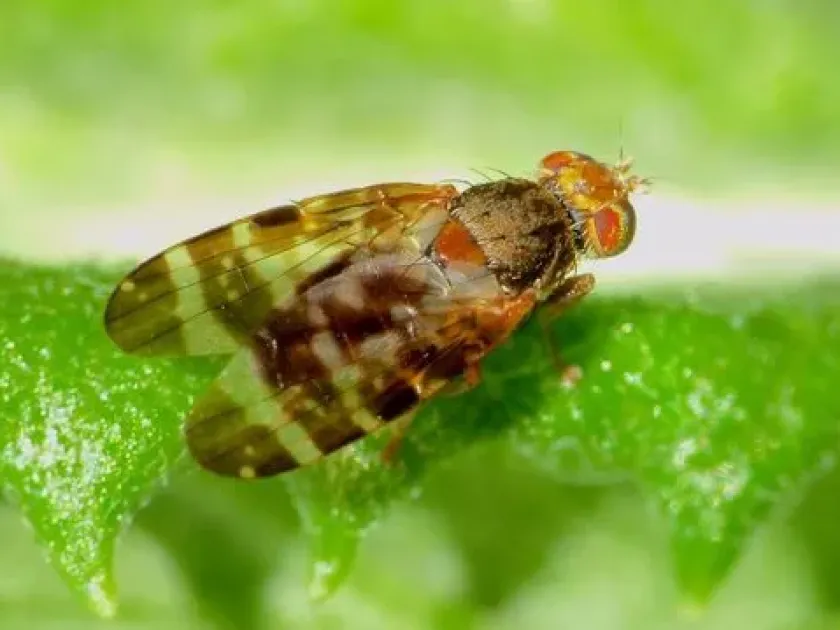
Description
How to identify
Sphenella is a genus of fruit flies within the family Tephritidae, order Diptera. These small flies are easily recognized by the complex, patterned spots on their wings, which are characteristic of this family.
Adult flies possess a highly developed sensory system and are typically found near host plants during their flowering phase. Body size generally ranges between 3 to 6 mm, depending on the specific species and larval food quality.
The life cycle involves complete metamorphosis, including egg, three larval stages, puparium, and adult stages. Overwintering occurs primarily as pupae within soil debris or plant residues.
Detection of adults can be challenging due to their cryptic behavior and camouflage patterns. They are most active on the heads of host plants, where they engage in mating and oviposition.
Females utilize a sharp, specialized ovipositor to penetrate plant buds, placing their eggs securely inside tissues where the larvae will find an immediate food source upon hatching.
##damage##Sphenella primarily infests plants in the Asteraceae family, causing significant economic damage to crops like sunflower and various ornamental flowers.
The larvae are internal feeders, targeting the developing seeds and the receptacle tissue of the flower head. This direct feeding behavior leads to substantial yield losses and poor seed quality.
Injuries caused by larval activity often facilitate the entry of secondary pathogens, leading to fungal or bacterial decay within the plant's reproductive structures.
Heavy infestations lead to hollow seed heads and significantly reduced oil content in crops where seed development is critical.
In cases of severe infestation, the overall growth and vigor of the host plant can be compromised, especially if the infestation occurs early in the flowering process.
##season##The activity of Sphenella is closely linked to the phenology of its host plants. Mass emergence of adults typically coincides with the bud development and flowering stages.
The biological development of the pest is synchronized with the growth of the plant's reproductive organs, ensuring larvae have access to nutritious tissues as they emerge.
Environmental temperatures significantly influence the pace of development; warmer conditions generally accelerate the life cycle, potentially allowing for multiple generations per year.
Pupation occurs as the season wanes, with the puparia remaining in the soil or crop remnants throughout the winter until the following spring.
Producers must monitor field conditions continuously, as shifts in climate may alter the timing of peak pest pressure from year to year.
##signs##Evidence of infestation often includes distorted or discolored flower heads, accompanied by larval frass and localized tissue decay.
Dissecting the flower head during the seed-filling stage typically reveals small, yellowish or white larvae feeding within the seed rows.
- Premature wilting of segments of the flower head.
- Visible exit holes on the surface of the receptacle where adults have emerged.
- Noticeable decrease in seed weight and viability in affected areas.
A foul, decaying odor may be present when opening a heavily infested head, signaling that the feeding damage has triggered secondary rot infections.
Early identification is difficult as symptoms are internal, making field scouting and regular head dissections essential for accurate pest assessment.
##control##Effective management begins with robust agronomic practices, including deep autumn plowing to bury and destroy overwintering puparia in the soil.
Crop rotation and spatial isolation of main crops from wild Asteraceae populations are essential to interrupt the pest's cycle and reduce infestation risk.
The selection of resistant hybrids with compact or tightly packed flower heads can provide a physical barrier to oviposition by adult females.
Chemical control focuses on applying systemic insecticides during the bud development stage to manage adult populations before egg-laying occurs.
Biological strategies involve the use of pheromone traps for monitoring and the preservation of natural predators to suppress larval populations in the field.
Taxonomy
- Latin name
- Sphenella
- Order
- Diptera (flies)
- Family
- Tephritidae
- EPPO code
- SFENSP
Discussion
No discussions yet — be the first.