
Sphaeniscus
Sphaeniscus
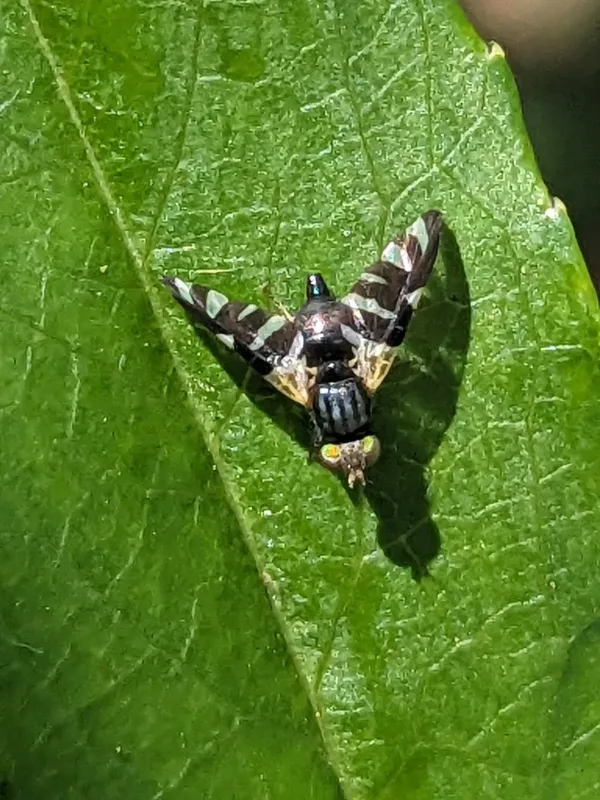
Description
How to identify
Sphaeniscus is a genus belonging to the Tephritidae family, commonly known as fruit flies or picture-winged flies, within the order Diptera. These small insects are characterized by distinct, often patterned wings which serve as a primary diagnostic feature.
Adult specimens typically measure between 3 to 5 millimeters in length. Their body coloration ranges from yellowish to dark brown, providing excellent camouflage against their host plants during feeding and mating.
The head of the pest possesses a specialized lapping mouthpart, and females are equipped with a well-developed ovipositor. This organ is used to penetrate plant tissues, allowing the insect to deposit eggs safely inside fruits, stems, or buds.
The larvae are typically legless, common for most leaf and fruit miners. They develop internally within the plant tissue, creating tunnels that make them extremely difficult to detect during standard field inspections without physical examination.
Field identification involves using sticky traps to capture adults during their peak flight periods. Observing the unique wing patterns under a magnifying glass is essential for confirming the exact species classification.
What it damages
The primary damage is inflicted by the larvae, which feed on the internal tissues of the host plants. Their host range is generally limited to specific agricultural and wild species, particularly within the Asteraceae or Rosaceae families.
The pest targets fruits and flower heads, causing premature fruit drop or significant deformity. Larval feeding often leads to internal rot, which severely compromises the marketability and quality of the harvested crops.
During heavy infestations, Sphaeniscus can destroy 30–50% of the yield in a given area. Damaged tissues frequently become entry points for secondary fungal and bacterial infections, compounding the overall crop loss.
Hidden damage represents the greatest challenge, as fruit may appear externally healthy while being completely hollowed out internally. This complicates post-harvest sorting and quarantine procedures significantly.
Economic impact varies based on regional agricultural practices and local climatic conditions. Seasons characterized by wet, mild spring weather often see a population surge, necessitating more intensive management.
When it appears
Pest activity typically commences during the flowering phase of host plants. The temperature threshold for adult emergence is usually around +12 to +15 degrees Celsius, aligning with active crop growth stages.
The life cycle includes multiple generations per year, with the total number depending on the length of the warm season. Successive generations often overlap, making the timing of insecticide applications more complex.
During hot summer months, larval development accelerates, shortening the life cycle and leading to earlier emergence of the second generation. The pest typically overwinters as pupae in the topsoil or within plant debris.
The most critical window for crop protection is during bud formation and fruit set, when females are most active in laying eggs inside developing fruit. This stage requires rigorous scouting and monitoring.
Monitoring programs often employ color-coded sticky traps placed in fields prior to the anticipated flight period to detect the arrival of the first adults.
Signs of infestation
The first sign of infestation is the appearance of minute punctures on the surface of fruit or flowers, which mark the egg-laying sites. Over time, these points may develop into localized necrosis or irregular discoloration.
Internal inspection of tissues reveals meandering tunnels filled with larval excrement, known as frass. This causes structural softening and a loss of color integrity within the affected area of the fruit.
A classic indicator is the premature yellowing and dropping of young fruit. Dissecting such fallen fruit often reveals either the larvae themselves or empty pupal cases remaining in the galleries.
Infestation may also manifest as stunted development or asymmetrical fruit growth, differentiating infected plants from healthy counterparts in the same field.
- small puncture marks on the fruit skin;
- visible deformation of fruit and buds;
- premature flower or fruit drop;
- internal tunneling found upon dissection;
- localized soft spots indicating larval feeding.
Control measures
Cultural control methods include deep autumn plowing to bury and destroy overwintering pupae in the soil. Regular weeding is also essential to eliminate alternative host plants that support pest populations.
Biological control strategies focus on the introduction or conservation of natural enemies, such as braconid wasps, which parasitize the larvae of Sphaeniscus and effectively regulate their numbers.
Chemical control measures are most effective when applied during the peak flight of adults but prior to egg deposition. Systemic or contact-stomach insecticides are used according to regional crop safety regulations.
Rotating chemical classes is vital to prevent the development of resistance within the pest population. Strict adherence to pre-harvest intervals is required to ensure consumer safety.
Sanitation practices, including the prompt removal and destruction of crop residues and cull fruit, are fundamental to breaking the life cycle and reducing the pressure for the following season.
Taxonomy
- Latin name
- Sphaeniscus
- Order
- Diptera (flies)
- Family
- Tephritidae
- EPPO code
- SFANSP
Discussion
No discussions yet — be the first.