
Spermatolonchaea flavipennis
Spermatolonchaea flavipennis
Description
How to identify
Spermatolonchaea flavipennis is a species of fly belonging to the family Lonchaeidae, often referred to as lance-flies. These insects are characterized by their relatively small size and a glossy black or bluish body that often reflects metallic light.
Adult flies possess wings that exhibit a distinct yellowish tint, which serves as a primary diagnostic feature for this species. The head is relatively large, dominated by prominent compound eyes that are essential for their survival and reproductive activities.
The larvae are typically maggot-like, featuring a cylindrical, legless body that tapers toward the anterior end. Lacking a distinct head capsule, they utilize specialized mouthparts to feed on decaying or live plant tissues depending on their environmental availability.
Females are equipped with a well-developed ovipositor, which allows them to deposit eggs precisely within plant tissues, such as beneath the epidermis of fruits or within damaged stems or bark.
Proper identification is crucial for effective management, as members of the Lonchaeidae family are often associated with both primary damage to plants and secondary infestation of already weakened tissues.
What it damages
This pest affects a variety of fruit and vegetable crops. It tends to target tissues that have been previously compromised by mechanical damage or other stressors, although it can also directly attack ripening fruits.
Feeding larvae cause significant damage to the internal structure of fruits, leading to rapid softening, decay, and the onset of fungal infections. This makes the affected produce unmarketable and unsuitable for storage.
Vegetable crops can suffer from stem and root zone damage, where larvae burrow into the tissue, disrupting nutrient transport and causing the plant to weaken or wilt significantly.
The economic impact is primarily related to the reduction in yield quality and post-harvest losses. Produce infested with larvae loses its integrity and becomes highly susceptible to rapid spoilage during transport.
Furthermore, their presence in agricultural areas is often linked to high humidity conditions and the presence of decomposing plant material, where they can thrive and build up their population numbers quickly.
When it appears
The activity of Spermatolonchaea flavipennis is closely synchronized with the growing season and temperature conditions. Adult flies usually emerge in late spring when temperatures become consistently favorable for mating.
Several generations can occur within a single growing season, depending on the climatic conditions and the availability of host plants. Rapid development is usually observed during warm, humid summer months.
As autumn approaches, the life cycle slows down, and the insect prepares for overwintering. They typically spend the winter period in the pupal stage, hidden within the soil or in sheltered debris near host plants.
The timing of emergence is a critical factor for monitoring. Strategies should focus on the period when fruits are beginning to form, as this is when the females are most active in searching for suitable oviposition sites.
Monitoring using yellow sticky traps can provide valuable data on the presence and density of adult flies, allowing for the timely implementation of protective measures before peak infestation occurs.
Signs of infestation
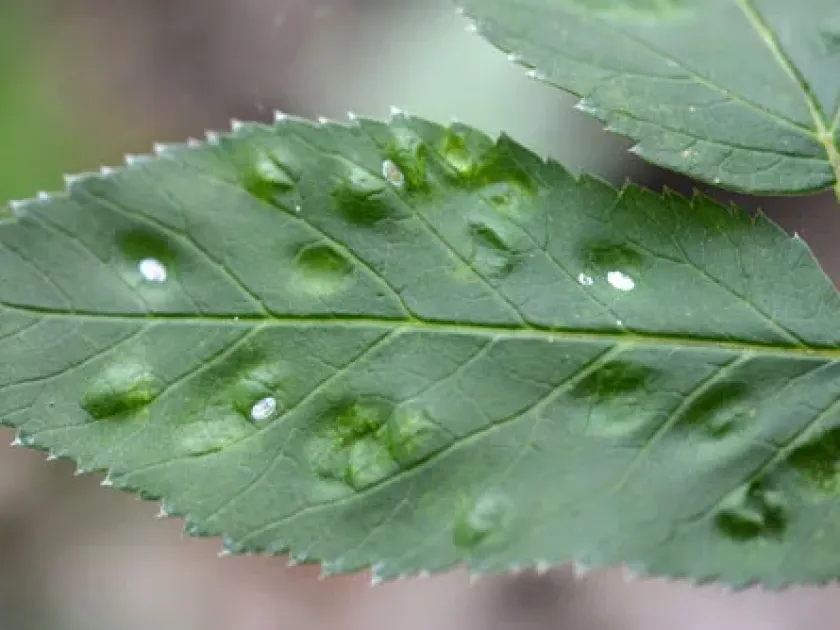
Initial signs of infestation often appear as tiny, inconspicuous punctures on the surface of fruits or stems. These entry points eventually darken, signaling that the larvae have begun feeding beneath the surface.
Premature fruit drop is a common indicator of a severe infestation. When fallen fruits are dissected, white, legless larvae are typically found inside, surrounded by degraded, discolored plant material.
In vegetable crops, the wilting of terminal shoots is a significant warning sign. This suggests that the larvae have penetrated the stems, cutting off the flow of water and minerals to the upper parts of the plant.
A foul odor emanating from the affected plant parts is another sign of secondary bacterial infection, which almost always accompanies the damage caused by the larvae.
- Small entry holes on fruit skin.
- Premature abscission of fruits and flowers.
- Internal tissue decay and larvae presence.
Control measures
The primary control strategy involves good sanitation practices within the orchard or field. Removing and destroying all fallen fruit and debris is essential to eliminate breeding grounds for the larvae.
Prevention of mechanical injury during cultivation is vital. By minimizing wounds on plants, growers can significantly reduce the attractiveness of the crops to female flies searching for egg-laying sites.
Biological control agents, including parasitic wasps or entomopathogenic fungi, can be used to manage population density. These methods are often preferred in integrated pest management (IPM) programs.
Chemical control should be applied judiciously and only when monitoring indicates that the population has exceeded the economic threshold. Using selective systemic insecticides can help manage the larvae effectively.
Maintaining plant health through optimal fertilization and irrigation ensures that crops are less susceptible to pests. A well-managed crop is better equipped to withstand and recover from minor infestations.
Taxonomy
- Latin name
- Spermatolonchaea flavipennis
- Order
- Diptera (flies)
- Family
- Lonchaeidae
- EPPO code
- SPERFL
Discussion
No discussions yet — be the first.