
Grain fly
Earomyia
Description
How to identify
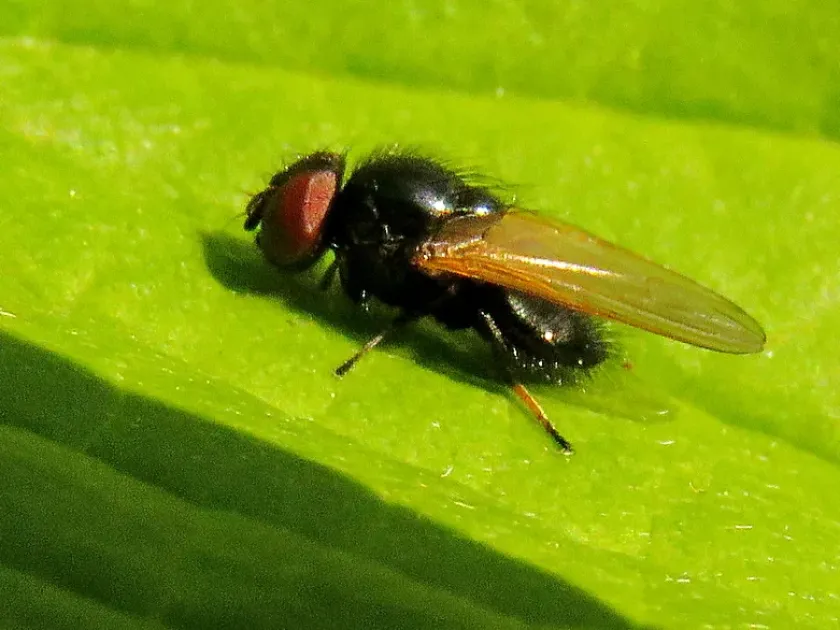
The grain fly, belonging to the genus Earomyia (family Lonchaeidae), is a dipterous insect. Adult flies are typically small, dark, and often possess a shiny appearance with prominent eyes.
The larvae are apodous (legless) and cylindrical in shape, typically creamy-white in color. They are equipped with specialized mouthparts to feed on the interior contents of seeds.
These insects are highly adapted to their host plants, with their life cycles synchronized with the physiological development of the cereal crop.
What it damages
Earomyia species primarily affect various cereal crops, including wheat, barley, and rye. The larvae feed directly on the endosperm of developing kernels.
This feeding activity occurs during the milk or dough stage of grain development, leading to significant yield losses and reduced grain quality.
When it appears
The emergence of adult flies usually occurs during the heading and flowering stages of cereal crops, which is when the females seek suitable sites for oviposition.
Eggs are placed under the glumes of the spikelets, ensuring the larvae have immediate access to the nutrient-rich developing grain upon hatching.
The duration of the larval stage depends on environmental factors, typically spanning several weeks before the pest pupates in the soil or within the grain.
Signs of infestation
A primary indicator of infestation is the presence of shriveled, light, or completely hollow kernels within the cereal head, which may go unnoticed until harvest.
Careful inspection of the spikes might reveal tiny exit holes where the mature larvae have emerged or where adults have escaped after metamorphosis.
Control measures
Cultural control practices, such as crop rotation and the destruction of cereal stubble, are essential to break the life cycle of the pest.
Eliminating wild grasses in and around fields is crucial, as these can serve as secondary hosts and reservoirs for the fly population.
Chemical control, targeting the adults during their peak flight period, can be effective if thresholds of infestation are exceeded in susceptible crops.
Taxonomy
- Latin name
- Earomyia
- Order
- Diptera (flies)
- Family
- Lonchaeidae
- EPPO code
- EAROSP
Discussion
No discussions yet — be the first.