
Lamprolonchaea
Lamprolonchaea
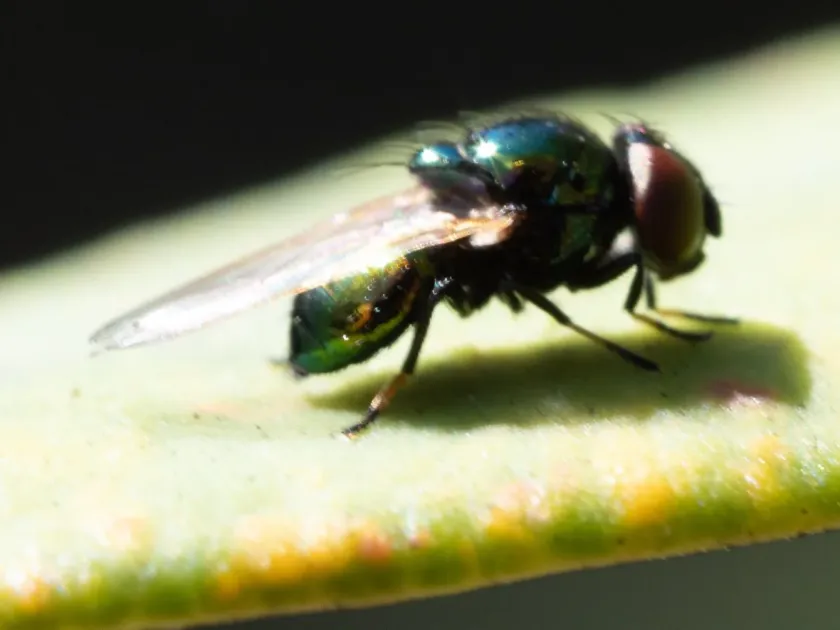
Description
How to identify
Lamprolonchaea is a genus within the family Lonchaeidae, often referred to as lance flies. These small flies are recognized by their metallic blue or greenish bodies and are significant pests in agricultural environments.
Adult flies possess prominent compound eyes and short wings. The larvae are typically legless, cream-colored, and specialized for life within the fleshy tissues of fruits and plant stems, where they consume the pulp.
Systematically, this genus includes several species that are difficult to distinguish without microscopic examination of the male genitalia. They are known for their ability to colonize a wide range of host plants, particularly vegetables and fruit crops.
The life cycle is characterized by rapid development, allowing for multiple generations per year under favorable temperatures. Females use their ovipositors to insert eggs directly into the plant tissues, shielding them from environmental factors and predators.
The high reproductive potential and the ability of the larvae to thrive in high-moisture environments make Lamprolonchaea a persistent challenge for commercial fruit and vegetable producers.
What it damages
The damage caused by Lamprolonchaea is primarily due to the larval feeding habits within the fruits. Common hosts include tomatoes, eggplants, cucumbers, and citrus species, where the larvae tunnel through the internal structures.
The feeding activity not only destroys the fruit tissue but also introduces various bacteria and fungi, causing rapid decay. Affected fruits lose their structural integrity, become deformed, and are usually rejected for market sale.
In addition to mature fruit, the larvae can attack flower buds and newly formed ovaries. This leads to premature abscission (dropping) of reproductive organs, significantly reducing the overall harvest yield.
The presence of larval tunnels serves as an entry point for secondary infections, which often expand faster than the physical damage caused by the insect itself. This creates large, necrotic spots on the fruit surface.
In temperate and tropical regions, the infestation can become a limiting factor for production, especially when standard sanitation practices are neglected, allowing the population to build up throughout the season.
When it appears
Lamprolonchaea is active during the entire growing season, with population peaks occurring during warmer months. In greenhouse settings, the pest can remain active year-round if the conditions allow for uninterrupted reproduction.
The development time from egg to adult depends on ambient temperature, typically ranging from a few weeks in summer. This allows the pest to complete several cycles within a single growing season.
Pupation generally occurs in the soil or within decaying plant material. This phase acts as a bridge between generations and as a survival mechanism during cooler or dry periods.
The infestation pressure is highest when vegetables are in the flowering and fruit-setting stages, as these are the preferred sites for female oviposition.
Overwintering occurs as pupae in the soil. Proper site management during the off-season is critical to breaking the life cycle and preventing early colonization of the next crop.
Signs of infestation
The first external sign of infestation is the appearance of tiny entry holes on the skin of the fruit, sometimes surrounded by small, discolored depressions.
- Premature yellowing and softening of fruits.
- Unexplained flower and ovary drop.
- Internal breakdown and rotting of fruit flesh.
- Presence of small white larvae inside the fruit upon dissection.
- Exudation of fluid from the larval entry/exit holes.
The infestation often mimics fungal infections, and growers might mistakenly treat the plants for diseases while the underlying pest population continues to feed.
Observing adult flies around the crops during blooming is a primary warning sign to initiate monitoring efforts using traps.
Control measures
Cultural control is the most effective approach: thorough removal and destruction of crop residues are essential to prevent pupae from overwintering in the soil.
Monitoring using yellow sticky traps helps detect the arrival of adult flies, allowing for precise timing of insecticide applications to target the adults before they lay eggs.
Chemical control should focus on the adult stage using approved insecticides. Systemic applications are sometimes necessary in severe infestations to protect the internal tissues of the fruit.
Biological control methods, including the use of parasitic wasps or entomopathogenic nematodes, are becoming more popular in greenhouse management to reduce the reliance on synthetic chemicals.
Crop rotation and maintaining spatial isolation between old and new plantings are key strategies to keep the pest population below the economic injury level.
Taxonomy
- Latin name
- Lamprolonchaea
- Order
- Diptera (flies)
- Family
- Lonchaeidae
- EPPO code
- LAMLSP
Discussion
No discussions yet — be the first.