
Dasiops
Dasiops
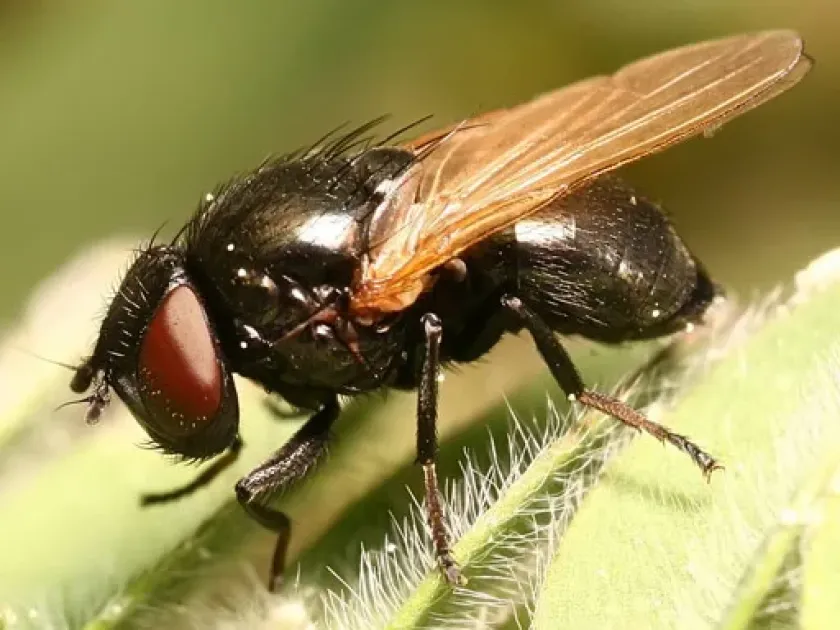
Description
How to identify
The genus Dasiops belongs to the family Lonchaeidae, commonly known as lance flies. These are small, robust flies, often characterized by a shiny black or metallic blue-green body.
Larvae of Dasiops are typical legless maggots, often capable of jumping when removed from their host, which is a distinctive behavioral trait of this family.
Adult females possess a sharp, sclerotized ovipositor used for piercing plant tissues, specifically fruits or stems, to deposit their eggs internally.
The life cycle typically involves egg, three larval instars, pupa, and adult stages. The pupal stage often occurs in the soil or within the decayed tissues of the host plant.
Identification is usually confirmed by taxonomists through the examination of male genitalia, as many species within the genus are morphologically very similar.
What it damages
Dasiops species are recognized as significant pests of various tropical and temperate crops, most notably passion fruit (Passiflora edulis).
The larvae feed internally on the pulp of the fruit, causing significant tissue breakdown, which results in rot and premature fruit drop.
Beyond direct fruit damage, larvae can infest the terminal shoots or stems of host plants, leading to gall formation, stunted growth, or even plant death in severe cases.
Infestation by Dasiops creates entry points for secondary pathogens, such as bacteria and fungi, which exacerbate the degradation of the produce.
In commercial orchards, high infestation rates can result in severe economic losses due to both reduced yield and poor post-harvest quality of the remaining fruits.
Signs of infestation
Signs of infestation often begin with tiny, pin-prick lesions on the surface of young fruits, indicating where the female has inserted her ovipositor.
As larvae feed internally, the fruit may exhibit irregular, sunken, or discolored patches on the skin, often accompanied by soft spots indicative of decay.
When an infested fruit is opened, the presence of maggots amidst damaged, rotting pulp is the most definitive sign of an active infestation.
Premature ripening and the sudden abscission (drop) of fruit before reaching maturity are common field symptoms that demand immediate inspection.
In stem-infesting species, signs include localized swellings or necrotic areas on the stems, which can weaken the plant and interfere with nutrient transport.
Control measures
Management of Dasiops requires an integrated approach because the internal feeding habits of the larvae shield them from contact insecticides.
Sanitation is the cornerstone of control; regularly collecting and destroying infested fruits before larvae can escape to pupate is essential to reduce the next generation's population.
Monitoring using yellow sticky traps or traps baited with specific lures helps growers determine the timing for targeted insecticide applications during the adult flight period.
Biological control efforts, including the use of parasitic wasps that target eggs or larvae, are being explored as sustainable alternatives to synthetic chemicals.
- Regular orchard sanitation and removal of fallen fruit.
- Deployment of pheromone or bait traps for population monitoring.
- Use of botanical or selective insecticides during the peak flight season.
Taxonomy
- Latin name
- Dasiops
- Order
- Diptera (flies)
- Family
- Lonchaeidae
- EPPO code
- DASISP
Discussion
No discussions yet — be the first.