
Silba
Silba
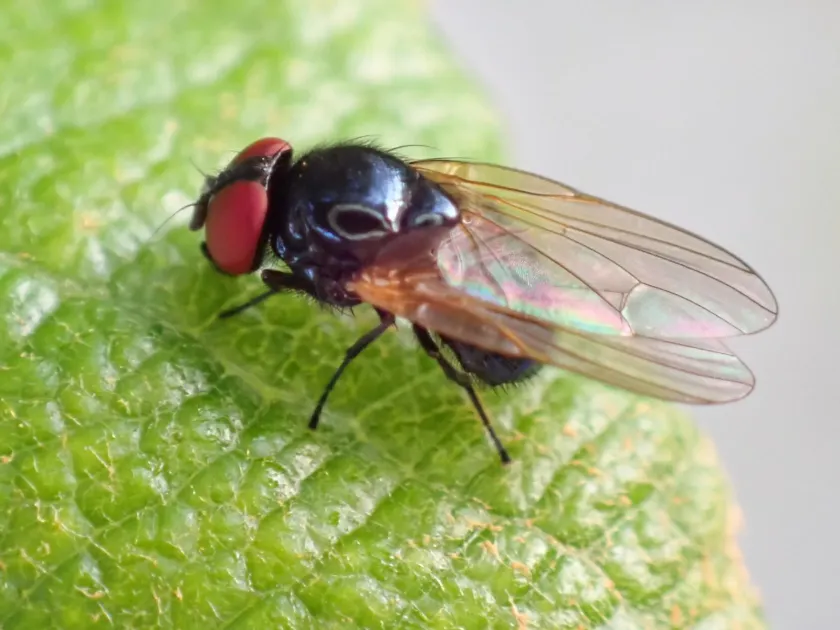
Description
How to identify
Silba is a genus of flies belonging to the family Lonchaeidae, order Diptera. These insects are characterized by their relatively small size and often dark, shiny, metallic appearance.
The larvae are typical legless maggots, often white or yellowish, adapted to feed inside various plant tissues, particularly fruits and succulent stems.
Identifying species within the genus Silba often requires professional taxonomic examination, as they look very similar to other related fruit-infesting flies.
Their life cycle consists of egg, larva, pupa, and adult stages, with pupation commonly occurring in the soil beneath the host plant.
Adults are active fliers and are typically attracted to ripening fruits or succulent plant parts for egg-laying, which marks the start of the infestation.
What it damages
Silba species are recognized as significant pests for a variety of crops, most notably figs, where they cause premature fruit drop and rot.
Beyond fruits, the larvae can infest young shoots and buds of diverse ornamental and horticultural plants, causing significant damage and growth reduction.
The internal feeding of larvae destroys the tissue, leading to structural damage and creating entry points for secondary bacterial and fungal pathogens.
The infestation is often hidden, meaning significant damage can occur inside the fruit without noticeable symptoms until the fruit starts to rot or fall.
Economic damage is high because infested fruit becomes completely unmarketable and unsuitable for human consumption due to the rapid internal decay.
When it appears
Adult Silba fly activity generally begins in spring, coinciding with rising temperatures that trigger their emergence from overwintering sites.
Larval activity peaks during the summer months, as this matches the period when host plants are producing fruit or vigorous new growth.
Depending on the climatic zone, the pest can complete multiple generations in a single season, leading to a cumulative negative impact on crop yields.
The pest typically survives the winter in the pupal stage, buried within the soil, which provides protection from extreme temperatures and desiccation.
Monitoring for adults should be consistent throughout the growing season to ensure timely intervention before eggs are laid in high numbers.
Signs of infestation
The most common sign of infestation is the premature drop of fruits that appear healthy on the outside but show signs of decay or larvae inside.
Upon cutting open an infested fruit, you will find larval feeding galleries, frass, and sometimes the larvae themselves within the damaged pulp.
In cases of shoot infestation, the affected plant parts show wilting, stunted growth, and eventually death of the growing tips.
Entry holes made by larvae may be visible on the surface, sometimes accompanied by sap exudation or small amounts of fruit resin.
- Premature fruit abscission.
- Internal galleries and larval presence.
- Wilting of terminal shoots.
- Small exit or entry holes on the skin of the fruit.
Control measures
Cultural control is essential; all fallen fruits should be collected and destroyed immediately to prevent larvae from completing their life cycle.
Tilling the soil under the canopy of host plants in late autumn can expose pupae to predators and cold, reducing the overwintering population.
Yellow sticky traps can be used to monitor and suppress adult populations, providing a visual cue for when to apply more intensive control measures.
Chemical control involving systemic insecticides may be necessary during periods of high pest pressure, ensuring application aligns with local agricultural guidelines.
Integrated Pest Management (IPM) practices, including the use of resistant varieties and proper orchard sanitation, are the best defense against Silba infestations.
Taxonomy
- Latin name
- Silba
- Order
- Diptera (flies)
- Family
- Lonchaeidae
- EPPO code
- CAROSP
Discussion
No discussions yet — be the first.