
Wormwood moth
Scrobipalpa artemisiella
Description
How to identify
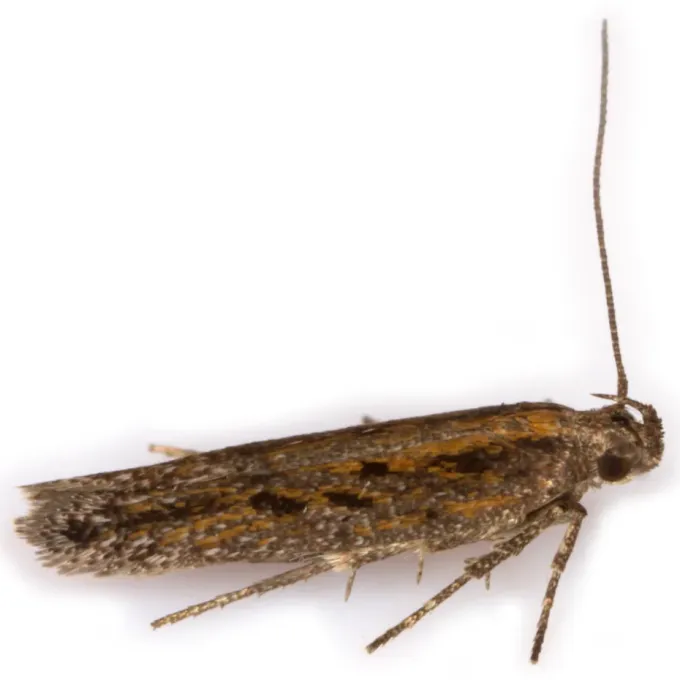
The wormwood moth, scientifically known as Scrobipalpa artemisiella, belongs to the family Gelechiidae, which is part of the order Lepidoptera. These small moths typically feature a wingspan ranging from 12 to 15 millimeters.
Adult moths are characterized by grayish-brown forewings adorned with subtle dark spots. The hindwings are noticeably lighter, featuring a distinct fringed edge that is a hallmark of the Gelechiidae family.
The larvae, or caterpillars, are small, measuring up to 10 millimeters in length. They typically possess a yellowish-green body with a dark-colored head, which aids in camouflaging them against the host plant tissues.
The pupal stage is often spent either in the soil or within the remains of the host plant, providing a layer of protection from environmental hazards and natural predators.
The lifecycle is highly influenced by ambient temperatures, allowing for multiple generations per year in warmer climates, which complicates long-term population management.
What it damages
This pest primarily feeds on various plant species within the genus Artemisia, commonly known as wormwood. It acts as a specialized herbivore that targets specific phytochemical components of these plants.
Larval feeding can lead to severe damage to the foliage, which is particularly detrimental if the crop is being cultivated for essential oil production or pharmaceutical purposes.
Beyond foliage, the caterpillars are known to infest young buds and inflorescences. This disruption of the reproductive organs can significantly reduce seed yield and plant vigor.
Heavy infestations leave the plants highly susceptible to secondary fungal or bacterial pathogens, which often exploit the wounds left behind by the feeding larvae.
Economic damage is most pronounced in commercial wormwood fields, where quality standards for plant material are strict and even minor damage can lead to crop rejection.
When it appears
The flight period of adult moths typically begins in late spring, coinciding with the rise in temperatures that allows the species to emerge from its overwintering state.
The most active feeding stage of the larvae occurs during the peak growth season, usually spanning from early summer through mid-summer when the host plant is most lush.
Depending on the latitude, this species can complete two or more generations annually, leading to a prolonged period of potential damage throughout the entire growing season.
Overwintering usually occurs as pupae or mature larvae hidden in the soil or within dried stalks of wormwood, ensuring the species survives until the following spring.
Regular field scouting and the use of pheromone-based traps are recommended to detect the initial flight of adults, which serves as a precursor to larval outbreaks.
Signs of infestation
One of the earliest signs of infestation is the appearance of leaf mines, where larvae eat the inner tissue, leaving behind thin, translucent patches on the leaf surface.
As the infestation progresses, larvae often web leaves together, creating small shelters that protect them while they continue to consume the plant from within the safety of the nest.
The presence of fine, dark granular frass (excrement) scattered on the leaves or trapped in the webbing is a definitive indicator of an active wormwood moth population.
Withering or necrosis of the apical parts of the plant indicates that the larvae are targeting the vital growing tips, which can cause stunted growth or total loss of the shoot.
Deformed flowers or a lack of proper floral development are common indicators of late-season infestation, as larvae feed directly on the developing reproductive structures.
Control measures
Good agricultural practices, such as deep plowing in the autumn, are effective for destroying overwintering pupae and reducing the population density for the next season.
Sanitation is key; the removal and destruction of crop residues after harvest are essential to eliminate the habitats where the larvae and pupae would otherwise survive.
Biological control options, such as the application of Bacillus thuringiensis-based sprays, provide an effective and environmentally friendly method for managing larval populations.
Integrated pest management (IPM) strategies, including the use of pheromone traps, help in timing insecticide applications to be most effective while minimizing chemical footprint.
Regular inspection and manual removal of heavily infested clusters can be a practical control method in small-scale plantings or home gardens to prevent the spread of the moth.
Taxonomy
- Latin name
- Scrobipalpa artemisiella
- Order
- Lepidoptera (butterflies)
- Family
- Gelechiidae
- EPPO code
- PHTOAR
Discussion
No discussions yet — be the first.