
Scorpio maurus
Scorpio maurus
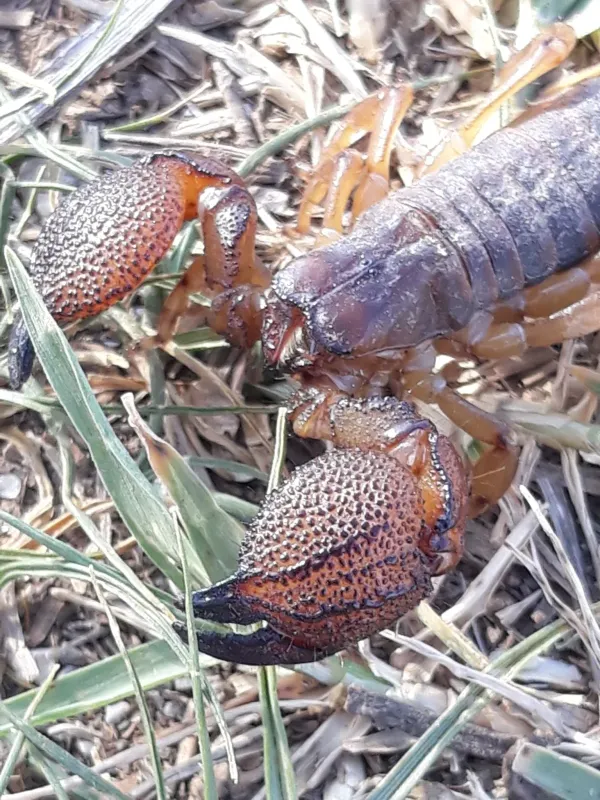
Description
How to identify
Scorpio maurus is a robust species of scorpion belonging to the Scorpionidae family. Adult specimens typically measure between 5 to 8 cm in length, characterized by a thick body and powerful pedipalps.
Their coloration ranges from dark yellow to deep brown, providing excellent camouflage within soil substrates. These scorpions possess highly developed claws used primarily for capturing prey and excavating deep burrow systems.
Unlike many other arachnids, this species spends the majority of its life cycle underground. They are sensitive to soil moisture and prefer stable subterranean environments for their daily activities and protection.
Reproduction follows a slow biological pace; females carry their young for an extended period, ensuring high survival rates for the offspring. This strategy results in localized, stable populations within suitable environments.
From an agronomic perspective, while not a herbivore, Scorpio maurus can significantly disrupt the soil architecture, posing a challenge for small-scale farming, greenhouses, and container gardening.
What it damages
Scorpio maurus is a predatory arachnid and does not consume plant tissues. However, its burrowing behavior can cause substantial mechanical damage to the root systems of developing crops.
When these scorpions build burrows in the root zone, they disrupt the soil-root interface, causing small feeder roots to break. This stress reduces the plant's ability to absorb water and nutrients.
In greenhouses and nurseries, the presence of these burrows in loose substrate can destabilize young transplants, leading to stunted growth or premature wilting during dry periods.
The tunnels created by the scorpions also serve as pathways for pathogenic fungi and soil-borne bacteria to access the root zone, indirectly facilitating plant disease development.
Their activity in containers or raised beds often creates large air pockets near the roots, which negatively impacts plant development due to uneven irrigation and aeration levels.
When it appears
The activity of Scorpio maurus is heavily dictated by soil temperature and moisture levels. They remain most active during periods of moderate climate.
During the spring and summer, scorpions increase their surface and sub-surface movement to forage for insects and find mates, which increases the likelihood of disturbance in garden beds.
In the peak of summer heat, they typically retreat to the deepest sections of their burrows to maintain a favorable microclimate, reducing their disruptive impact on surface soil.
Autumnal shifts in temperature can trigger a final burst of activity before the animals settle into deeper soil layers for dormancy during the colder months.
Within controlled environments like greenhouses, where irrigation is constant and temperatures are regulated, these scorpions may maintain high activity levels throughout the entire year.
Signs of infestation
The most reliable sign of an infestation is the appearance of distinct, semi-circular burrow entrances in the soil surface, perfectly matching the size of the scorpion's claws.
Small mounds of loose, excavated soil near these entrances are characteristic of their digging activities and are often mistaken for small rodent or insect debris.
Plants that suddenly wilt or exhibit slow growth despite proper irrigation often indicate that a burrow system has been established directly beneath their root ball.
The discovery of discarded chitinous exuviae (molted skins) in the soil during cultivation or weeding serves as definitive evidence of an active scorpion presence.
An unusually high concentration of surface insects or soil-dwelling larvae around specific holes may indicate a scorpion is using the area as a hunting station.
Control measures
Physical disruption of the burrow system through deep tilling or digging is the most effective cultural method to discourage scorpions from inhabiting garden beds.
Managing soil moisture levels to avoid constant saturation in nursery zones can make the habitat less attractive to this moisture-sensitive species.
Installing fine-mesh physical barriers beneath container gardens or raised beds prevents scorpions from tunneling into the growing substrate from the ground.
Sanitation is key; clearing garden beds of stones, wood, and organic debris eliminates the surface cover that scorpions require for shelter.
- Regular tilling of the soil between crop rows.
- Removing garden debris and shelters.
- Using fine-mesh exclusion netting.
- Installing sticky traps in greenhouse corners.
Taxonomy
- Latin name
- Scorpio maurus
- Family
- Scorpionidae
- EPPO code
- SCRPMA
Discussion
No discussions yet — be the first.