
Pandinus longimanus
Pandinus longimanus
Description
How to identify
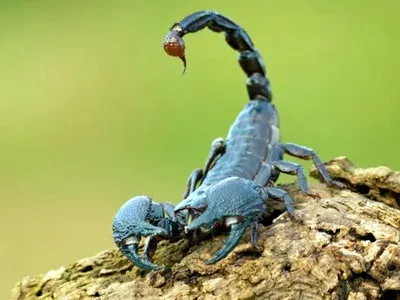
Pandinus longimanus is a large scorpion species belonging to the family Scorpionidae, recognized for its robust physical structure.
The body is dark, often black or deep brown, characterized by a heavily chitinized exoskeleton that provides protection in subterranean habitats.
They possess very large, strong pedipalps (claws) which are essential for hunting prey and defending their burrows against intruders.
These scorpions are relatively long-lived, which contributes to the stability of their populations in favorable agricultural environments.
They are nocturnal predators, preferring to hide in deep burrows during the day to avoid desiccation and predators.
What it damages
While not primary feeders of plants, their subterranean activity can disrupt the integrity of the soil surrounding crop root systems.
The excavation of extensive tunnel networks can lead to root damage and, in severe cases, the destabilization of young plant seedlings.
They represent a significant occupational hazard for agricultural workers, as their sting can be highly painful and require medical attention.
By consuming beneficial insects and natural predators, they negatively impact the balance of the local ecosystem in the field.
Large-scale farming operations are often hindered by the physical presence of these scorpions, which disrupts manual planting and weeding processes.
When it appears
Activity levels for this species are largely determined by soil temperature and moisture levels throughout the growing season.
Peak activity is typically observed during warmer months, which facilitates their hunting and reproductive cycles.
During colder periods, these scorpions may enter a state of reduced activity deep within their burrows to survive temperature drops.
Fluctuations in irrigation patterns can influence their movement, often driving them toward the surface during excessive moisture events.
Development cycles are slow, but the persistence of individuals in a specific area can lead to year-round pest pressure.
Signs of infestation
The primary sign of infestation is the presence of distinct, semi-circular burrows in the soil near the base of crops or field edges.
Using a UV flashlight during night surveys will reveal the presence of scorpions, as their exoskeleton fluoresces under ultraviolet light.
Discarded exoskeletons (molts) found near the entrances of burrows are a clear indication of a resident population.
Frequent sightings by staff or accidental stings during field work are strong indicators of a high-density population in the vicinity.
Disturbed soil patterns resembling small mounds near the base of plants can indicate where burrows have been recently established.
Control measures
Deep mechanical tillage is one of the most effective ways to disrupt their habitat and force the population to migrate away from fields.
Clearing fields of debris, loose stones, and decaying wood reduces the number of suitable hiding spots for these scorpions.
Installing fine-mesh barriers around greenhouse facilities can effectively prevent these pests from entering areas where sensitive plants are grown.
When populations exceed safety thresholds, chemical control targeting the burrows can be considered, following strictly enforced local regulations.
- Regular site inspections to identify and seal burrow entrances.
- Mandatory use of heavy-duty gloves for all soil-related field operations.
- Improved drainage systems to prevent local moisture buildup that attracts scorpions.
Taxonomy
- Latin name
- Pandinus longimanus
- Family
- Scorpionidae
- EPPO code
- PANNLO
Discussion
No discussions yet — be the first.