
Yellow stem borer
Scirpophaga xanthogastrella
Description
How to identify
The Yellow stem borer (Scirpophaga xanthogastrella) is a significant lepidopteran pest belonging to the Crambidae family. The adult moth has a wingspan of 30-40 mm and is characterized by its yellowish-white appearance, allowing it to blend in with field vegetation.
The larvae are creamy-white with a distinct brown head. Measuring up to 30 mm in length, they are highly specialized to live within the stalks of grasses, primarily rice, which protects them from environmental stressors and predators.
The life cycle includes the egg, larva, pupa, and adult stages. Females lay eggs in clusters on the leaves, covering them with a protective layer of anal tuft hairs, which serves as a shield against desiccation and natural enemies.
This species thrives in warm and humid conditions, which are typical for rice cultivation environments. The number of generations per year can vary depending on the local climate and the availability of host plants.
Monitoring the adult population through light traps or pheromone lures is a common practice for agronomists to determine the peak flight period and timing for subsequent control measures.
What it damages
Rice (Oryza sativa) is the primary host for the Yellow stem borer. Larvae bore into the stem, feeding on internal tissues, which causes severe damage to the plant's vascular system and nutrient transport pathways.
In addition to cultivated rice, the pest can reside in wild grasses in and around rice fields. This ability to survive on alternative hosts ensures the persistence of the pest population throughout the year.
The damage is most severe during the vegetative and reproductive stages of the crop. Larval feeding interrupts the development of the main shoot and the panicle, leading to stunted plant growth or total crop failure.
Economic losses can be substantial, as the feeding leads to a decrease in grain quality and yield. In extreme cases, the infestation causes widespread lodging or death of the plants, resulting in significant yield reduction.
Furthermore, the physical damage created by the larvae creates entry points for various bacterial and fungal pathogens, which may lead to additional decay and secondary plant diseases within the field.
Signs of infestation
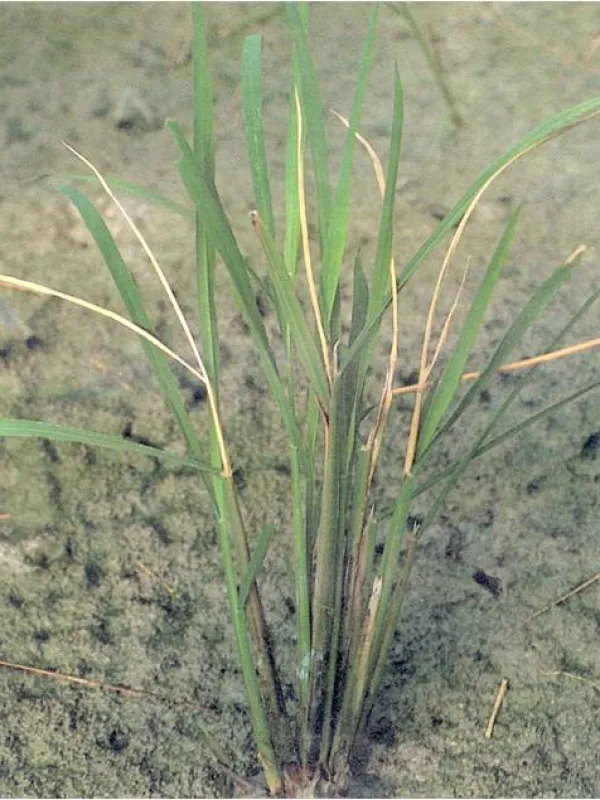
The "dead heart" symptom is the most visible indicator during the vegetative stage. This refers to the wilting and yellowing of the central leaf whorl caused by the larva boring into the stem and killing the growing point.
During the heading stage, the characteristic symptom is the "white head." This occurs when the larva damages the stem at the base, resulting in empty, white, and upright panicles that fail to produce viable grain.
Presence of entry holes on the stem, often accompanied by larval frass (excrement) at the entrance, serves as a clear indication of an active infestation that requires immediate attention from farm managers.
Scouting for egg clusters is essential for early detection. These clusters are typically found on the undersides of leaves and appear as small, oval-shaped patches covered with a golden-brown, fuzzy material.
- Dead heart (wilted central shoot)
- White heads (empty panicles)
- Larval entry holes with frass
- Egg masses covered with fuzzy hair on leaves
Control measures
Integrated Pest Management (IPM) is the most effective approach. Cultural practices, such as deep plowing and flooding fields after harvest, help kill the pupae that remain in the rice stubble and debris.
Selecting and planting resistant rice varieties with tougher stems can discourage the larvae from boring effectively. Additionally, balanced nitrogen fertilization avoids excessive plant growth that might otherwise attract the moths.
Chemical control focuses on systemic insecticides applied during the early stages of larval development. Timing is critical, as insecticides must be applied before the larvae enter the stems, where they become inaccessible.
Biological control methods, including the release of egg parasitoids like Trichogramma species, have proven highly effective in reducing pest density without disrupting the ecological balance of the rice paddy.
Regular field scouting and the use of pheromone traps allow for precision agriculture, ensuring that control measures are implemented only when economic thresholds are reached, thereby reducing costs and chemical usage.
Taxonomy
- Latin name
- Scirpophaga xanthogastrella
- Order
- Lepidoptera (butterflies)
- Family
- Crambidae
- EPPO code
- SCIPXA
Discussion
No discussions yet — be the first.