
Mexican fruit fly (Rhagoletis zoqui)
Rhagoletis zoqui
Description
How to identify
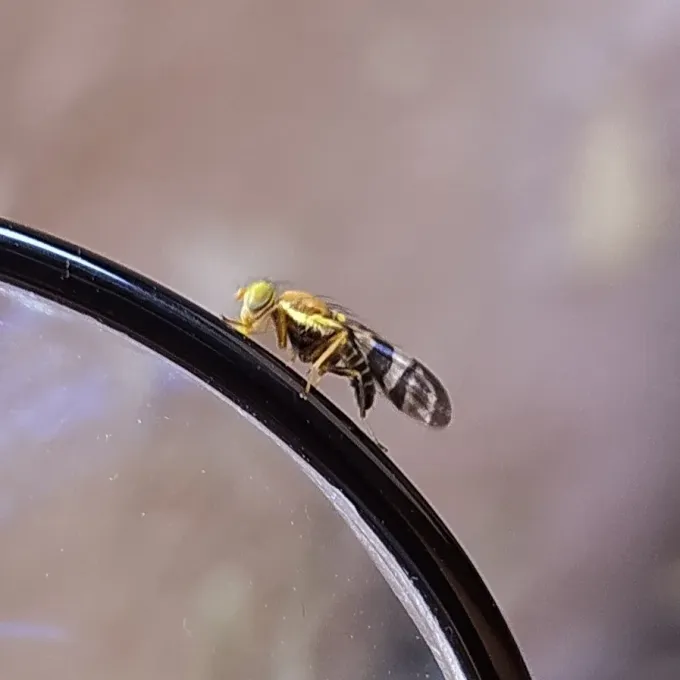
The Mexican fruit fly, Rhagoletis zoqui, is a species of fruit fly belonging to the family Tephritidae. These insects are well-known for their distinct wing patterns, which feature complex dark bands and spots that are characteristic of the genus Rhagoletis.
Adult flies are relatively small, with body colors that typically range from yellowish-brown to dark brown, allowing them to blend into the foliage. Females possess a specialized ovipositor designed to penetrate the outer layer of the fruit for egg-laying.
The life cycle of this species consists of four stages: egg, larva, pupa, and adult. This holometabolous development is heavily influenced by ambient temperature and humidity, which dictate the timing of adult emergence and reproductive activity.
Proper identification often involves professional entomological examination due to the morphological similarities between R. zoqui and other closely related species within the fruit fly complex.
Adult flies are most active during the ripening phase of their host fruits. Their behavior is guided by olfactory and visual cues, which lead them to suitable sites for mating and subsequent oviposition in developing host tissues.
What it damages
Rhagoletis zoqui primarily infests species within the Juglandaceae family, most notably walnut trees (Juglans). It is considered a significant pest in regions where these crops are cultivated, causing extensive damage to commercial yields.
The larvae develop inside the fruit, feeding on the husk or the developing kernel. This feeding activity causes premature fruit drop and significant weight loss, rendering the crop commercially unviable for producers.
Beyond physical damage, the presence of larvae often facilitates the entry of secondary pathogens, such as fungi and bacteria. These infections cause rapid decay of the fruit interior, leading to complete destruction of the kernel.
The economic impact is substantial, as infested fruit cannot be sold for human consumption or processing. A heavy infestation can lead to a drastic reduction in harvest efficiency and overall garden profitability.
In addition to direct losses, the presence of these pests requires costly intervention and monitoring programs. Without proper management, the cumulative loss can represent a significant portion of the annual yield.
Signs of infestation
Initial signs of infestation appear as small, dark puncture marks on the fruit skin where the female has deposited eggs. These spots often develop into localized areas of discoloration or early rot.
Inside the fruit, the presence of larvae is evidenced by meandering tunnels filled with frass. These tunnels indicate active feeding and structural degradation of the internal tissues of the fruit.
Premature ripening and the unexpected drop of fruit from the tree are strong indicators of infestation. Fallen fruit often feels soft to the touch and may show signs of internal tissue collapse.
Effective monitoring involves the use of sticky traps or food-based attractants placed strategically within the orchard canopy. These traps capture adults, providing an early warning of the pest's activity levels.
Dissecting suspected fruits will reveal the presence of yellowish-white larvae. The tissue around the larvae often turns dark and produces an unpleasant odor, indicating advanced decay caused by the larval feeding process.
Control measures
Sanitation remains the most critical control measure; removing and destroying all fallen fruit prevents larvae from migrating into the soil to pupate, thus breaking the life cycle of the pest.
Cultivation practices such as deep tilling of the soil under the tree canopy during the off-season can expose pupae to predators and environmental extremes, reducing the population for the next year.
Chemical control usually involves the application of insecticides targeting adult flies before they have the chance to lay eggs. These applications must be strictly timed according to the phenological stages of the tree.
Biological control alternatives, including the use of entomopathogenic nematodes applied to the soil, provide an eco-friendly way to target the pupal stage of the fly.
Integrated Pest Management (IPM) strategies, which combine pheromone monitoring, mechanical fruit protection, and targeted treatments, are essential for maintaining low pest density in commercial orchards.
Taxonomy
- Latin name
- Rhagoletis zoqui
- Order
- Diptera (flies)
- Family
- Tephritidae
- EPPO code
- RHAGZO
Discussion
No discussions yet — be the first.