
Guppy
Poecilia reticulata
Description
How to identify
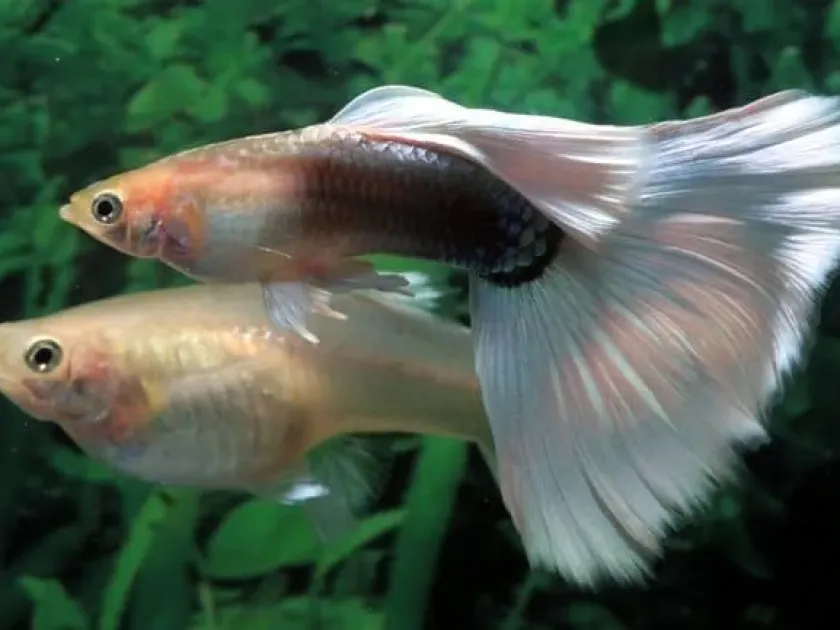
The Guppy (Poecilia reticulata) is a freshwater fish belonging to the family Poeciliidae and the order Cyprinodontiformes. In agricultural systems, it is classified as an opportunistic biological agent capable of disrupting artificial cultivation environments.
The species displays significant sexual dimorphism, where males are smaller and brightly colored, while females are larger and less vivid. Their high reproductive rate allows them to colonize hydroponic tanks rapidly.
Guppies thrive in temperature ranges between 18 and 28 degrees Celsius, matching the environmental conditions of most modern greenhouse hydroponic setups.
They are live-bearing fish, meaning they bypass the fragile larval stage, making their population growth highly resilient in closed water systems.
Agronomists should monitor for the presence of these fish to prevent unintended interactions between aquatic fauna and plant root zones.
What it damages
The primary damage caused by guppies is the grazing on the delicate root systems of vegetable and ornamental crops grown in deep-water culture (DWC) systems.
Fish often consume root hairs, which disrupts the nutrient uptake efficiency and causes severe stress to the growing plants.
The mechanical damage inflicted on roots acts as a primary entry point for opportunistic pathogens such as fungi and water-borne bacteria.
Waste production from fish population increases ammonia levels and organic carbon in the nutrient solution, which can negatively affect the chemical balance required for crops.
Such impact is particularly detrimental to seedlings and young plants that rely on a healthy root architecture for establishing rapid vegetative growth.
Signs of infestation
Signs of infestation include visible mechanical damage to the tips of roots, which appear frayed, bitten, or prematurely stunted.
Visual observation of movement or schooling behavior in transparent nutrient solution containers is a clear indicator of the presence of these fish.
Nutrient deficiency symptoms, such as leaf chlorosis, may appear suddenly because the plant’s ability to absorb water and minerals is impaired by root injury.
Sedimentation of fish waste at the bottom of the hydroponic reservoir is a common indicator of a established population within the system.
A noticeable decrease in the overall growth rate compared to control groups often suggests the presence of biological interference in the root environment.
Control measures
Installation of high-quality mesh filters on all water inflow and outflow pipes is the most effective preventative measure against fish colonization.
Regular sanitation of the hydroponic equipment, including complete nutrient solution changes, helps to eliminate accidental fish introductions.
If fish are discovered, immediate physical removal using specialized nets or traps is necessary to prevent population explosion.
It is vital to ensure that the water source used for irrigation is filtered and free from biological contaminants or ornamental fish residuals.
Monitoring the chemical balance of the solution and performing routine inspections of the root zone are essential practices for maintaining a healthy and pest-free crop.
Taxonomy
- Latin name
- Poecilia reticulata
- Order
- Lepidoptera (butterflies)
- Family
- Tineidae
- EPPO code
- POCIRE
Discussion
No discussions yet — be the first.