
Phytometra ernestinana
Phytometra ernestinana
Description
How to identify
Phytometra ernestinana belongs to the Erebidae family. It is a lepidopteran species characterized by its specific morphological features that allow it to adapt to various agricultural landscapes.
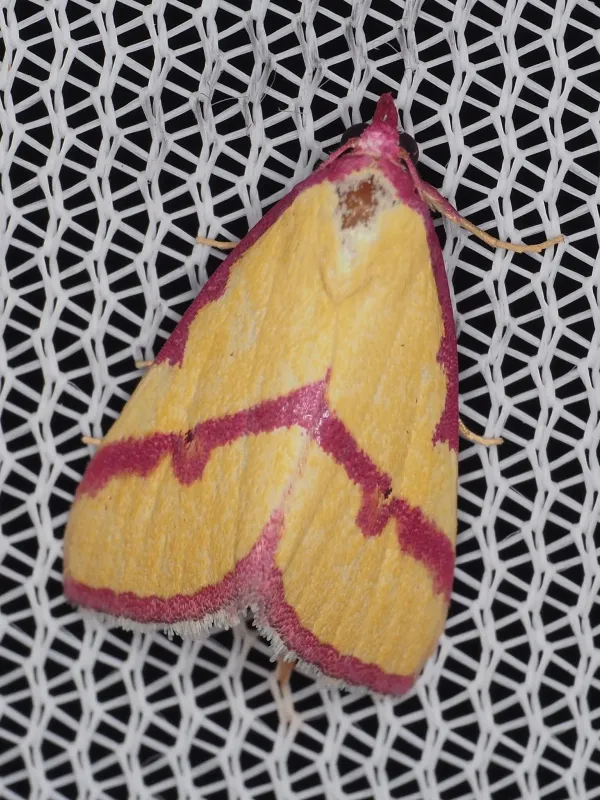
The adult moth has a wingspan of approximately 25–30 mm. The wing pattern is cryptic, providing excellent camouflage against dry leaves and vegetation when the insect is at rest during the day.
The larvae, or caterpillars, go through several instars. They are typically colored in shades that blend with their host plants, making them difficult to detect for predators and farmers alike.
The pupa is protected within a silken cocoon, which is often attached to soil particles or debris at the base of the plant. This stage is crucial for the survival of the species through the winter.
The species biology is closely tied to specific environmental cues. Temperature and humidity levels significantly influence the timing of emergence and the rate of larval development.
What it damages
This pest is primarily associated with leguminous plants. Crops such as peas, alfalfa, and various clover species are the most frequent hosts for this insect.
Larvae consume leaf tissue, often starting from the undersides of leaves. As they grow, they can consume large portions of the foliage, leaving only the primary veins behind.
In cases of high infestation, the larvae can also damage flower buds and developing pods, which leads to a direct reduction in seed yield and overall plant vigor.
The feeding activity creates areas of tissue loss, which can decrease the photosynthetic efficiency of the plant, negatively impacting growth and biomass production.
Economic damage is most severe during the pre-flowering and pod-filling stages, where the loss of leaf area cannot be easily compensated by the plant's metabolic resources.
When it appears
Adult moths typically emerge in late spring as temperatures rise. The timing of this emergence is critical for the synchronization of the first generation with the development of host plants.
Larval activity is most prominent during the summer months. Multiple generations can occur in a single season depending on the climatic conditions of the region.
Late summer infestations are common, often affecting the regrowth of perennial legumes. These larvae prepare for the upcoming diapause as days shorten and temperatures drop.
The insect spends the winter in the pupal stage, buried in the soil or protected by leaf litter. This strategy ensures the species remains dormant until the return of favorable spring weather.
Monitoring for adults via light traps or pheromone baits is essential for determining the timing of potential larval outbreaks and optimizing control measures.
Signs of infestation
The initial signs of an infestation include the appearance of skeletonized patches on leaves, which gradually expand into irregular, large holes.
- Presence of frass (larval excrement) on the leaves or at the base of the plant.
- Silken threads connecting leaves, which are used by larvae for protection.
- Direct observation of larvae hiding on the undersides of foliage.
- Localized wilting or drying of plants due to severe tissue consumption.
Visual surveys should be conducted regularly, particularly focusing on the lower leaf surfaces, to detect the presence of early-stage larvae before they cause widespread damage.
Control measures
Cultural control practices, such as deep plowing in the autumn, are effective at destroying pupae and reducing the population size for the following season.
Implementing crop rotation helps break the pest cycle by removing the availability of preferred leguminous hosts in consecutive years.
Biological control, including the use of microbial insecticides like those based on Bacillus thuringiensis, offers an environmentally friendly way to suppress larvae without disrupting natural enemy populations.
Chemical intervention should be considered only when economic thresholds are reached. Applying selective insecticides helps mitigate damage while minimizing the impact on non-target species.
Integrated Pest Management (IPM) strategies, combining monitoring, cultural practices, and targeted treatments, remain the most effective approach to managing this pest in commercial farming.
Taxonomy
- Latin name
- Phytometra ernestinana
- Order
- Lepidoptera (butterflies)
- Family
- Erebidae
- EPPO code
- PYTOER
Discussion
No discussions yet — be the first.