
Phyllomyza
Phyllomyza
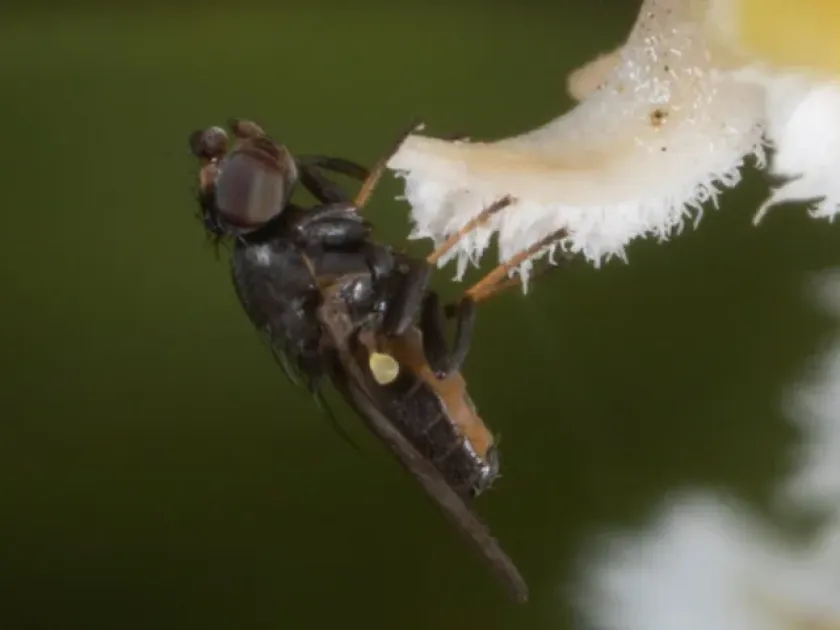
Description
How to identify
Phyllomyza is a genus of small flies within the family Milichiidae (order Diptera). These insects are often overlooked due to their inconspicuous appearance and specific feeding habits.
Adult flies possess a specialized mouthpart structure that is adapted for consuming nectar, aphid honeydew, and plant fluids leaking from existing wounds.
Identifying these flies requires microscopic examination, focusing on wing venation and the arrangement of thoracic bristles, which are crucial diagnostic features.
Larvae primarily develop in decaying organic matter, but under specific environmental conditions, they can infest the tissues of weakened live plants.
Entomologists often associate the presence of Phyllomyza with high concentrations of aphids in agrocenoses, where they thrive on the metabolic byproducts of these sucking pests.
What it damages
Significant damage occurs when population levels increase, leading to direct and indirect harm to various vegetable and fruit-bearing crops.
The pest typically targets plants that are already stressed, mechanically damaged, or suffering from fungal infections that provide entry points for the larvae.
Larvae boring into stems and fruit interiors cause localized tissue decay, which often leads to total loss of the affected fruit or shoot.
The flies serve as vectors for various plant pathogens, transporting spores of rot-causing fungi from infected sites to healthy plant tissue during feeding.
Severe infestations result in stunted growth, yellowing of foliage, pre-harvest fruit drop, and a significant decrease in the overall market quality of the yield.
When it appears
The life cycle of Phyllomyza is heavily influenced by temperature and humidity levels, with peak activity occurring during the warmer parts of the growing season.
Adults emerge as temperatures stabilize, aligning their activity with the flowering and fruit-setting stages of host plants when nutrient levels are highest.
Extended periods of rain create high-humidity microclimates that favor the development of fungal decay, which in turn attracts these flies for oviposition.
As the season transitions into autumn, adult activity declines, though larvae may overwinter in protected soil niches or deep within decomposing debris.
The population dynamics are closely tied to the density of aphid colonies, as the honeydew produced by aphids is a critical nutritional resource for the adults.
Signs of infestation
The most prominent sign of infestation is the appearance of small, irregular puncture marks on stems or fruits, often accompanied by spreading soft rot.
Observing high activity of tiny black flies around aphids or damaged plant parts is a primary indicator that the plants require immediate attention.
- Darkened, softened tissue patches near feeding sites.
- Specific unpleasant odor emanating from damaged fruits.
- Visible wilting of shoots despite adequate moisture.
- Surface blemishes or tunneling marks on stems.
- Presence of larvae upon dissection of rotted tissue.
In many cases, the damage is internal, and the presence of larvae is only confirmed after slicing into the affected plant part.
Control measures
Effective management of Phyllomyza relies on integrated pest management (IPM) strategies aimed at preventing the establishment of the pest.
Strict field hygiene, including the removal and destruction of decaying plant material and debris, is essential to eliminate breeding sites.
Controlling primary pests, such as aphids, is a foundational step, as it removes the food source that attracts adult Phyllomyza flies.
Improving air circulation within the planting area helps maintain drier conditions, which reduces the incidence of fungal rot and makes plants less attractive to the flies.
When populations exceed economic injury thresholds, application of targeted insecticides or biological control agents may be necessary to protect the crop.
Taxonomy
- Latin name
- Phyllomyza
- Order
- Diptera (flies)
- Family
- Milichiidae
- EPPO code
- PHLMSP
Discussion
No discussions yet — be the first.