
Desmometopa
Desmometopa
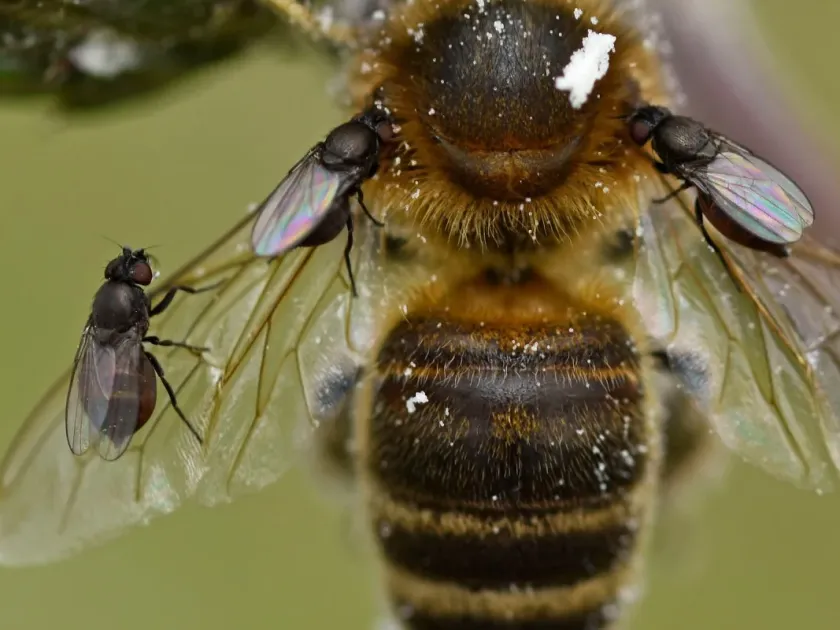
Description
How to identify
Desmometopa is a genus of flies belonging to the family Milichiidae, order Diptera. These are typically small, dark-colored flies that can be difficult to spot on green plant parts.
Adult flies are known for their opportunistic feeding habits, often congregating around sugary excretions or damaged plant tissue.
The larvae are cylindrical, white, and legless, possessing specialized mouthparts suitable for feeding on decomposing organic matter or sap.
The life cycle follows a complete metamorphosis, including egg, larval, pupal, and adult stages, occurring in or near the host plant environment.
Due to the small size and similarity to other fly species, microscopic examination is often required for precise taxonomic identification.
What it damages
Desmometopa is generally considered a secondary pest, as it primarily targets plants that have been damaged by other organisms or environmental stress.
The flies frequent wounds on stems, flowers, and fruits, feeding on the leaking sap and providing a site for secondary infection.
The primary concern is their role as vectors for pathogenic bacteria and fungi, which can lead to rapid decay of agricultural produce.
High populations of these flies can cause significant cosmetic damage to crops, rendering them unsellable due to fecal contamination.
In greenhouses, their constant activity can exacerbate the spread of soft rot and other devastating plant diseases.
Signs of infestation
The most reliable sign of an infestation is the appearance of small swarms of flies around injured plant parts or weeping sores on stems.
Sticky residue on fruit surfaces, coupled with fly activity, indicates that the insects are feeding on the sugar-rich exudates.
Darkened, mushy tissue surrounding the feeding sites is a classic sign of localized decay initiated by the flies and their associated pathogens.
Clusters of small, translucent eggs may be found in the fissures of stems or under the sepals of infested flowers.
Sticky monitoring traps in greenhouses often capture adults, providing an early warning signal before significant damage occurs.
Control measures
Effective management relies on strict sanitation, as removing decaying plant material reduces the breeding sites for the flies.
Preventing mechanical damage during pruning or harvest is crucial to deny the flies access to plant sap and internal tissues.
Controlling primary pests, such as aphids or lepidopteran larvae, is the most effective way to prevent Desmometopa secondary infestations.
Chemical control should be applied sparingly and only when necessary, targeting the adult stage to disrupt the life cycle.
Ensuring proper ventilation and air circulation in protected cultivation reduces humidity, making the environment less favorable for larval development.
Taxonomy
- Latin name
- Desmometopa
- Order
- Diptera (flies)
- Family
- Milichiidae
- EPPO code
- DSMMSP
Discussion
No discussions yet — be the first.