
Desmometopa
Desmometopa m-nigrum
Description
How to identify
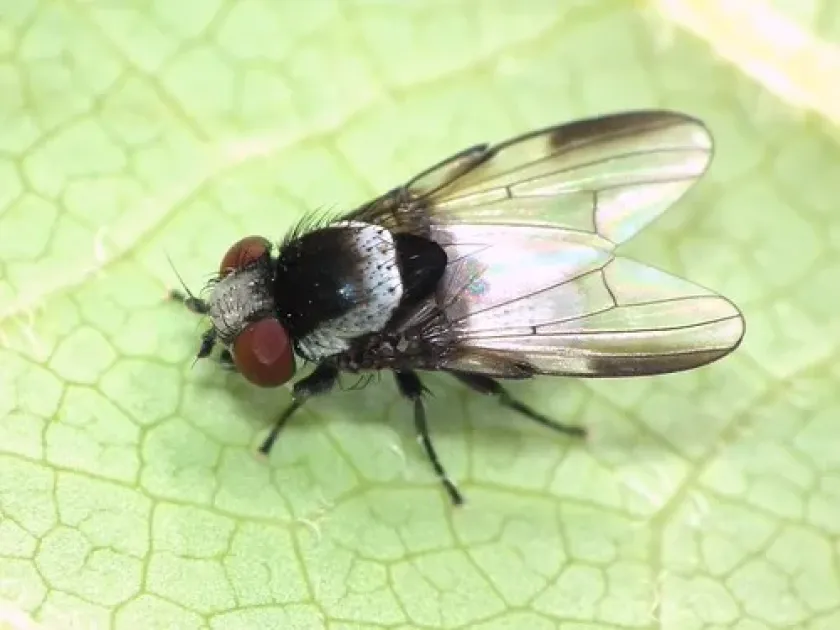
Desmometopa m-nigrum is a species of fly belonging to the family Milichiidae within the order Diptera. These small flies are easily recognized by the presence of a dark, M-shaped mark on the frons, which is a key diagnostic feature for the species.
Adult flies are generally small, dark-colored, and highly mobile. Their larvae are typical dipteran maggots, whitish in color, and are specifically adapted to thrive in decaying organic matter or necrotic plant tissues.
The life cycle undergoes complete metamorphosis, consisting of egg, three larval instars, pupa, and adult stages. The duration of each stage is heavily dependent on ambient temperature and moisture levels, allowing for rapid generation times in favorable conditions.
Adults are often observed feeding on floral nectar, aphid honeydew, or the juices of decaying plant material. They are opportunistic and can quickly colonize sites that provide suitable environments for oviposition.
Identification often requires close inspection of morphological characters, as many species within the Milichiidae family share similar small sizes and dark colorations.
What it damages
The pest primarily affects a variety of vegetable, ornamental, and fruit crops. It typically acts as a secondary pest, colonizing plants that have already sustained injuries from other insects, environmental factors, or pathogens.
Once the flies lay their eggs in wounded tissues, the hatching larvae feed on the decaying matter, thereby extending and deepening the original injury. This process significantly accelerates the rot of the plant part.
In ornamental horticulture, these flies can severely impact flowers and sensitive stem tissues, leading to premature wilting and aesthetic degradation, which renders the produce unmarketable.
Furthermore, they serve as mechanical vectors for various microorganisms, including bacteria and fungi, which can exacerbate existing plant diseases and complicate recovery efforts.
The economic impact is often associated with the decline of crop quality in storage or directly in the field, particularly in high-humidity conditions that favor the development of both the flies and rot-inducing microbes.
Signs of infestation
The presence of Desmometopa m-nigrum is usually indicated by the observation of small flies clustering around decaying or injured plant parts, such as stems, fruit, or flowers.
A primary sign of infestation is the localized softening and discoloration of plant tissue. These areas often appear moist or damp, reflecting the feeding activities of the larvae and the associated microbial decay.
In more advanced stages, tunnels or localized necrosis within the plant tissue can be found, often accompanied by the presence of larval waste and the characteristic odor of decomposing vegetation.
Within protected environments like greenhouses, the presence of the flies can be easily detected using standard yellow sticky traps, which are effective for monitoring population densities.
Rapid expansion of rot in damaged areas, even after initial treatment, is a common signal that secondary infestation by these flies may be occurring.
Control measures
The most effective strategy for managing this pest involves strict sanitation practices. Prompt removal and destruction of decaying plant residues or damaged fruit are essential to eliminate breeding sites.
Implementing preventative measures to minimize mechanical or primary pest damage to crops will significantly reduce the likelihood of colonization by Desmometopa m-nigrum.
Yellow sticky traps should be utilized in greenhouses not only for detection but also as a means to reduce the population of adult flies, thereby limiting egg-laying opportunities.
Chemical control is rarely required as a standalone measure; however, broad-spectrum insecticide applications directed against primary pests will typically provide secondary control of these flies.
Where biological control is preferred, products based on entomopathogenic fungi or selective bio-insecticides can be applied to mitigate larval populations in infested organic substrates.
Taxonomy
- Latin name
- Desmometopa m-nigrum
- Order
- Diptera (flies)
- Family
- Milichiidae
- EPPO code
- DSMMMN
Discussion
No discussions yet — be the first.