
Poplar gall mite
Phyllocoptes populi
Description
How to identify
The poplar gall mite (Phyllocoptes populi) is a microscopic pest belonging to the family Eriophyidae. Measuring approximately 0.2 mm in length, these mites are worm-like in shape and often invisible to the naked eye, requiring magnification for proper identification.
The biological cycle of this mite is strictly synchronized with the phenology of poplar trees. Fertilized females hibernate within the buds of the host tree, protected by bud scales, which provide a stable environment against extreme winter temperatures.
As spring temperatures rise and buds begin to swell, the mites emerge from their dormancy. They immediately start feeding on the tender young leaves, injecting chemical compounds that induce the plant to form characteristic galls.
Multiple generations of the mite can occur throughout the growing season. As the population density increases, more galls are formed across the foliage, facilitating the spread of the pest across the tree crown.
In autumn, as the trees prepare for dormancy and leaves begin to drop, the new generation of mites migrates back to the buds, successfully securing their overwintering habitat for the upcoming year.
What it damages
The primary hosts of Phyllocoptes populi are species within the Populus genus. The mites cause direct damage to the leaves by disrupting the normal metabolic activities of the plant cells, leading to gall formation.
These galls are essentially metabolic sinks that divert nutrients and energy away from the tree's growth processes. This results in reduced photosynthetic efficiency and diminished vigor of the infested foliage.
Severe infestations lead to extensive leaf deformation, premature yellowing, and early leaf drop. Such stress reduces the tree's overall capacity to thrive and survive adverse weather conditions like drought or severe frost.
In urban landscapes, the aesthetic impact of galls is significant, often leading to the devaluation of ornamental trees in parks and along roadsides due to their unsightly and sickly appearance.
Over several years, heavy infestations can contribute to the decline of trees, making them more susceptible to secondary pests and various fungal or bacterial diseases that exploit the weakened plant tissue.
Signs of infestation
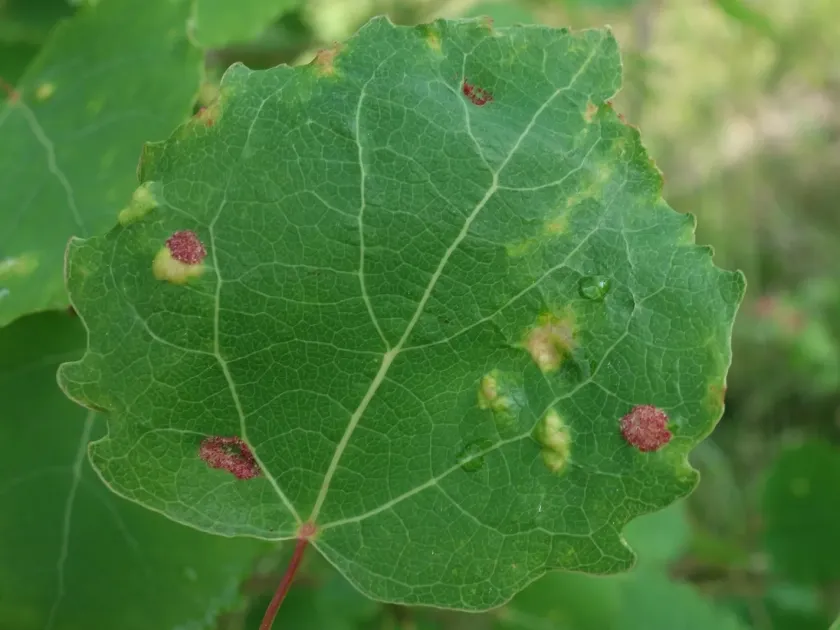
The most prominent sign of infestation is the appearance of galls on the leaf surface. These are small, irregular, or spherical growths that develop as a direct response to the feeding activities of the mites.
The color of these galls can change throughout the season, starting as a subtle light green before turning into distinct red, pink, or dark brown patches as the leaf tissue matures and partially dies.
- Distorted and twisted leaf blades.
- Visible bumpy texture on the upper or lower leaf surface.
- Premature defoliation of the tree.
- Concentration of bumps along the primary veins.
- Stunted growth of new shoots during the spring season.
The interior of these galls serves as a sheltered nursery for the mite colonies, effectively protecting them from environmental stressors and many types of traditional pesticide applications.
Observation of the canopy during the late spring period is the best way to detect early signs of an outbreak, as the galls become distinct and easy to distinguish from healthy leaf tissue.
Control measures
Managing the poplar gall mite is challenging because the mites are protected within the galls for most of the season. Therefore, timing is the most critical factor for successful chemical control.
Applications of systemic acaricides should be performed during the early spring, precisely when the mites are migrating from their overwintering buds to the new leaves, before the galls have fully formed.
Sanitation practices are essential for long-term population reduction. Collecting and destroying fallen leaves during the autumn significantly reduces the overwintering potential of the next generation.
Pruning and disposing of heavily infested branches can help lower the overall pressure of the pest in smaller settings, such as private gardens or managed nursery stocks, preventing further spread.
Encouraging tree health through proper fertilization and irrigation helps the trees withstand the stress caused by the mites, while selecting resistant poplar cultivars is the most sustainable management approach.
Taxonomy
- Latin name
- Phyllocoptes populi
- Order
- Mites
- Family
- Eriophyidae
- EPPO code
- PHYCPO
Discussion
No discussions yet — be the first.