
Philophylla
Philophylla
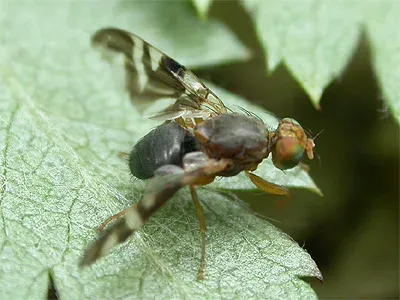
Description
How to identify
Philophylla is a genus of insects belonging to the family Tephritidae (fruit flies). These insects are notable for their patterned wings and are often found in areas with suitable host plants, particularly within the Asteraceae family.
The adult fly is typically small, featuring distinctive dark markings on its wings. These markings are used for species identification and often serve as a visual signal during mating behavior in the wild.
The larvae are internal feeders, developing within the leaf tissue. They are cylindrical, legless, and lack sclerotized head parts, which is a classic morphology for dipteran leaf miners.
As part of the family Tephritidae, they undergo complete metamorphosis (egg, larva, pupa, adult). The duration of each stage is highly dependent on ambient temperature and humidity levels in the environment.
Identification of the specific species within the Philophylla genus is a task for professional entomologists, usually involving the examination of ovipositor structure in females or the specific pattern of leaf mines they create.
What it damages
The primary damage is caused by the larval stage, which mines the leaf tissue by consuming the mesophyll. This creates visible tunnels that interrupt the plant's ability to photosynthesize effectively.
These pests target various plants, primarily those in the Aster family. This includes a range of wild weeds, ornamental flowers, and certain vegetable crops, which can suffer economic loss if infestation rates are high.
The tunnels created by the larvae provide an entry point for secondary pathogens, such as fungi and bacteria, which can lead to rot and further decrease the health of the host plant.
Severe infestations lead to premature leaf drop, stunted growth, and a significant reduction in the quality of ornamental plants. In crops, the reduction in photosynthesizing area directly impacts the yield.
Young plants are particularly vulnerable. Heavy mining in early developmental stages can significantly weaken the seedling, leading to reduced vigor and potentially plant death under stressful conditions.
When it appears
Adult flies typically emerge in the spring, once temperatures are sufficiently high to support their biological activities. This timing is usually synchronized with the growth of their preferred host plants.
Peak larval activity occurs during the summer months. As the temperature rises, the development cycle of the pest accelerates, potentially leading to overlapping generations throughout the growing season.
Late-season generations can be particularly problematic as they prepare for overwintering. They often pupate in the soil or within dried plant material, where they remain dormant during the winter months.
The survival rate of pupae in the soil is influenced by soil moisture and temperature fluctuations. Extreme weather conditions during winter can have a regulatory effect on the population density for the following spring.
Monitoring the flight activity of adults is key to understanding the seasonal pressure on the crop. Understanding the degree-day accumulation helps predict the timing of the next generation.
Signs of infestation
The most recognizable sign is the appearance of serpentine or blotch-shaped mines on the leaves. These tracks appear as light-colored, thin lines or patches against the green leaf tissue.
When held up to the light, the tunnels appear transparent, and one may be able to see the larva or its dark, granular waste products (frass) deposited along the tunnel path.
As the larvae grow, the mines expand, often causing the leaf to yellow, curl, or wither. In heavy infestations, the entire leaf surface may become covered in these mines, leading to necrotic spots.
Adult flies may be observed on the upper surfaces of leaves or near flowers, especially on warm, sunny mornings. They are small and active, often darting away when disturbed.
General plant decline is a common indicator. If a plant shows reduced vigor, discoloration, or poor growth without obvious water or nutrient issues, an inspection of the leaf underside is warranted.
Control measures
Cultural control is the first line of defense. This includes removing host weeds near the growing area and practicing crop rotation to prevent the buildup of pest populations in a specific field.
Good sanitation practices are crucial. Collecting and destroying infested plant material or performing deep plowing after harvest helps bury pupae, preventing the next generation of adults from emerging.
Yellow sticky traps are an effective tool for monitoring adult populations. They can provide early warning of an infestation, allowing for timely intervention before the larval population becomes established.
- Utilize biological control agents like parasitic wasps if available.
- Apply systemic insecticides to penetrate leaf tissue for larval control.
- Maintain robust plant health through proper fertilization and irrigation.
If chemical control is necessary, systemic insecticides that move through the plant's vascular system are most effective against leaf miners. Always follow label directions and observe the pre-harvest interval.
Taxonomy
- Latin name
- Philophylla
- Order
- Diptera (flies)
- Family
- Tephritidae
- EPPO code
- PHIPSP
Discussion
No discussions yet — be the first.