
Pharaxonotha
Pharaxonotha
Description
How to identify
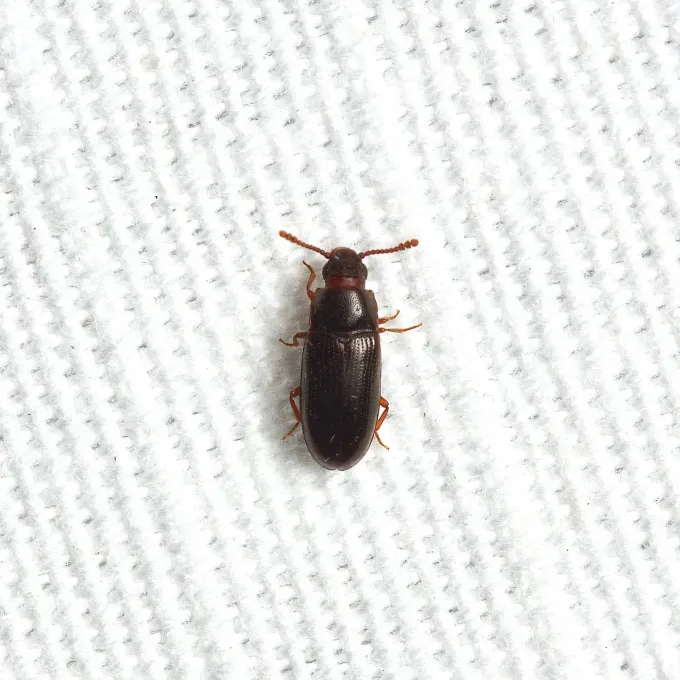
Pharaxonotha is a genus of beetles belonging to the family Erotylidae (pleasing fungus beetles). These insects are known for their symbiotic and sometimes destructive relationships with cycads.
Adult beetles are typically small, oblong in shape, and exhibit a brownish or reddish coloration, which allows them to blend in with the reproductive structures of their host plants.
Taxonomically, they are identified by specific morphological features, including antennal structure and genitalia, which are essential for distinguishing among different species.
While some species within this genus have co-evolved as obligate pollinators of cycads, others have become invasive pests in greenhouse environments and botanical gardens.
Understanding the specific species is crucial for management, as their behavior can vary significantly depending on the host plant species and environmental conditions.
What it damages
The primary damage is caused by larvae that bore into the seeds of cycad plants, consuming the endosperm and causing complete internal degradation.
In nursery settings, a Pharaxonotha infestation can render an entire seed crop unviable, causing significant economic losses to growers.
Adult beetles can also cause harm by feeding on the tissues of male cones (strobili), which disrupts the pollination process and reduces seed set in the population.
Because the larvae reside inside the seeds, the infestation is often undetected until the damage is severe and the seeds are already destroyed.
The movement of infested seeds in international trade has facilitated the spread of these beetles to new geographical regions.
When it appears
The activity of Pharaxonotha is closely linked to the reproductive cycles of cycads, specifically the timing of cone development and seed maturation.
In temperature-controlled greenhouses, the beetles can maintain a continuous reproductive cycle throughout the year, independent of external seasons.
Warm temperatures accelerate the larval development, allowing the population to increase rapidly within a single season.
Adult emergence typically coincides with the period when male cones are producing pollen, facilitating both feeding and mating.
The number of annual generations is highly dependent on ambient temperature and the availability of fresh reproductive structures for oviposition.
Signs of infestation
The most reliable sign of an infestation is the presence of small exit holes on the surface of the cycad seed coat made by emerging adults.
When an infested seed is opened, one can observe tunnels and frass (insect waste) inside, indicating the presence of larvae.
Empty or lightweight seeds, which lack density, often signal that the internal contents have been completely consumed by the pest.
Monitoring for adult beetles on the surface of male strobili during the flowering season is an effective way to detect early stages of infestation.
Premature seed drop and fungal decay associated with damaged seeds are frequent indicators of underlying larval development.
Control measures
Rigorous quarantine measures are the first line of defense to prevent the introduction of Pharaxonotha via imported seeds.
Fumigation or heat treatment of seed shipments is recommended to eliminate eggs and larvae hidden within the seed tissue.
In institutional collections, the application of systemic insecticides during the cone-bearing stage can help reduce the population of adult beetles.
- Regular visual inspections of cycad cones for the presence of beetles.
- Prompt removal and destruction of infested seeds and plant debris.
- Utilization of pheromone-based traps to monitor and reduce adult activity.
Integrated Pest Management (IPM) strategies, combining physical exclusion and targeted chemical treatments, are essential for preserving cycad collections.
Taxonomy
- Latin name
- Pharaxonotha
- Order
- Coleoptera (beetles)
- Family
- Erotylidae
- EPPO code
- PHXOSP
Discussion
No discussions yet — be the first.