
Varied tit
Parus varius
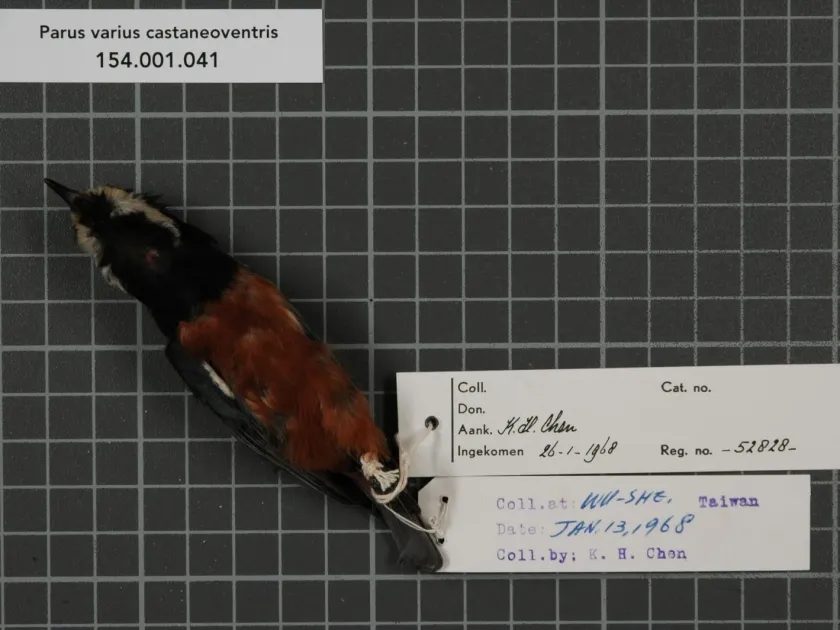
Description
How to identify
The Varied tit (lat. Sittiparus varius, formerly Parus varius) is a small passerine bird belonging to the tit family. It is easily identified by its distinctive plumage, which features a reddish-brown breast and a black cap, making it a common sight in East Asian landscapes.
While often seen as a beneficial insectivore, this species exhibits opportunistic feeding behavior during winter months. When traditional food sources are scarce, it frequently switches to a diet consisting of plant buds, causing significant stress to horticultural crops.
The bird possesses a strong, sharp beak capable of piercing through protective bud scales. This physical adaptation allows it to access the nutrient-rich tissues inside, which makes it a notable pest during the dormant stage of fruit trees.
Varied tits are highly territorial and energetic birds. They tend to move in small groups, particularly in late winter, which increases the cumulative damage they can inflict on a single tree within a very short timeframe.
The species has successfully adapted to human-modified environments. It often frequents gardens and orchards, perceiving them not just as habitats but as reliable foraging areas, which creates persistent pressure on local agricultural producers.
What it damages
The primary damage targets include fruit-bearing trees such as apples, pears, plums, and apricots. By consuming the terminal and lateral buds, the bird destroys the reproductive potential of the tree, leading to severe yield losses.
Ornamental shrubs and young nursery seedlings are also frequent targets. Damage to the lead bud in young trees disrupts natural growth patterns, forcing unwanted branching and stunting the overall development of the plant.
In cases of severe winters, the birds may consume not only the buds but also the tender bark of small twigs. This leads to the desiccation of distal parts of the branches, preventing proper sap flow and foliage development in the spring.
For industrial orchards, the economic impact is substantial. A significant reduction in the number of healthy flower buds can turn a productive season into a financial loss, as the tree fails to produce a marketable crop.
Furthermore, nurseries suffer when young trees are damaged, as the structural integrity of the saplings is compromised. This necessitates additional labor to prune and train the trees back into a desirable shape.
Signs of infestation
The most reliable sign of a Varied tit infestation is the appearance of shredded or hollowed-out buds on branches. If inspected closely, the outer scales are present, but the soft inner contents are completely gone.
Beak marks are often visible on the surface of the twigs near the damaged buds. These appear as small, light-colored abrasions which may eventually serve as entry points for fungal pathogens or bacterial infections.
Debris on the ground, specifically bud scales and small fragments of wood, serves as a clear indicator of avian foraging activity. Large amounts of such litter under a tree indicate intensive feeding.
During the spring growing season, trees that were severely targeted exhibit patchy or complete lack of flowering. This failure of bloom on specific branches is a primary visual cue that winter feeding occurred.
The birds themselves are quite vocal and busy while feeding. Frequent, erratic movements and high-pitched calls in the morning hours are characteristic of a flock active within the tree canopy.
Control measures
The use of visual deterrents is highly effective. Reflective tapes, old CDs, or realistic predator decoys can be hung in the canopy to discourage tits from settling on the branches. Periodic movement of these objects is essential.
Protective netting is the most reliable barrier for orchards and nurseries. Covering young or particularly sensitive trees during the peak winter months prevents access to the buds and ensures the safety of the crop.
Applying specialized bird repellents on branches can discourage feeding. It is crucial to choose environmentally friendly formulas and reapply them after heavy precipitation or snow, which may wash away the active ingredients.
Installing feeding stations far away from orchards is a recommended agricultural practice. By providing a reliable alternative food source, you can divert the birds' attention away from the fruit-bearing trees.
Maintaining tree vigor through proper fertilization and pruning helps trees recover more efficiently. A healthy tree can compensate for minor losses, reducing the overall impact of bird damage on the final harvest.
Taxonomy
- Latin name
- Parus varius
- Family
- Paridae
- EPPO code
- PRUSVA
Discussion
No discussions yet — be the first.