
Great tit
Parus
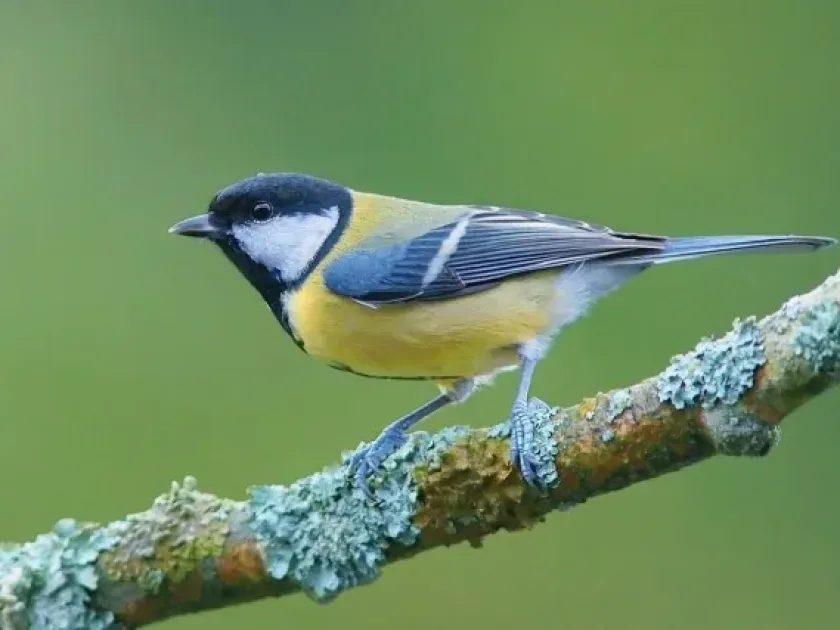
Description
How to identify
The Great tit (Parus major) is a passerine bird belonging to the Paridae family. It is easily identified by its bright yellow breast with a black vertical stripe and a glossy black cap.
While commonly regarded as beneficial for its role in insect population control, the Great tit can switch to a plant-based diet in winter, posing a threat to fruit production.
This species is highly intelligent and adaptable, frequently exploring residential and agricultural areas to exploit available food sources throughout the colder months.
The biology of the species includes a flexible feeding strategy, allowing it to transition from entomophagy to frugivory or granivory depending on the seasonal availability of nutrients.
Agronomists view the Great tit as a versatile organism that plays both ecological roles, requiring careful management during peak damage periods in the orchard.
What it damages
Great tits cause significant damage by pecking at the dormant buds of fruit trees such as apple, pear, cherry, and plum, directly impacting the plant's ability to flower.
Berry bushes are also at risk, as birds often consume buds and tender shoot tips, causing physical structural damage and potentially reducing the plant's vigor.
The damage to the bark surrounding the buds creates entry points for secondary infections, including fungal and bacterial pathogens that can weaken the entire tree.
In cases of high bird density, the cumulative loss of buds can lead to a substantial reduction in fruit yield, causing economic damage to commercial growers.
Furthermore, tits may peck at overripe or fallen fruit, leading to aesthetic degradation of the crop and increased susceptibility to spoilage if not harvested promptly.
When it appears
The shift towards plant-based damage typically begins in late autumn when the natural insect populations decline significantly, forcing the birds to find alternative food.
The most critical window of activity occurs in late winter and early spring, as trees begin to accumulate energy reserves in their buds before the start of the growing season.
Birds actively seek out these nutrient-dense buds to meet the high metabolic demands required for thermoregulation and preparation for the upcoming nesting season.
This behavior persists until natural insect prey becomes abundant again, usually coinciding with the emergence of larvae in the warming spring weather.
Predicting this period allows orchard managers to implement strategic protection measures before the birds establish the habit of feeding on specific trees.
Signs of infestation
Visible evidence of bird activity includes scattered bud scales and fragments under the tree canopy, which indicates recent feeding sessions in the branches.
Branches often appear defoliated or stripped of their apical and lateral buds, leaving only small scarred remnants where the buds used to be attached to the twig.
The presence of small groups of birds in the orchard during the morning hours, often accompanied by their characteristic vocalizations, is a primary indicator.
- Missing or damaged buds on fruit-bearing twigs.
- Bark damage around the base of the bud clusters.
- Plant debris accumulation on the ground beneath the canopy.
- Frequent movement of birds within the same specific tree sections.
Regular orchard monitoring is essential to distinguish between natural bud drop and active pecking damage caused by visiting bird flocks.
Control measures
Visual deterrents, such as reflective tape, old CDs, or bird-scaring kites, are effective in discouraging the birds from congregating in specific areas of the garden.
Physical protection through netting is the most reliable method for smaller areas or high-value individual trees to prevent direct access to the developing buds.
Sonic deterrents or playback devices mimicking the alarm calls of predators can effectively discourage tits, although devices should be rotated to prevent acclimation.
Providing an alternative food source, such as fat balls or seed stations placed away from the orchard, can successfully divert the birds' attention to a safer feeding site.
Cultural practices, including maintaining optimal tree health and removing potential shelters near the orchard, can reduce the overall attractiveness of the area to flocks.
Taxonomy
- Latin name
- Parus
- Family
- Paridae
- EPPO code
- PRUSSP
Discussion
No discussions yet — be the first.