
Parastenopa
Parastenopa
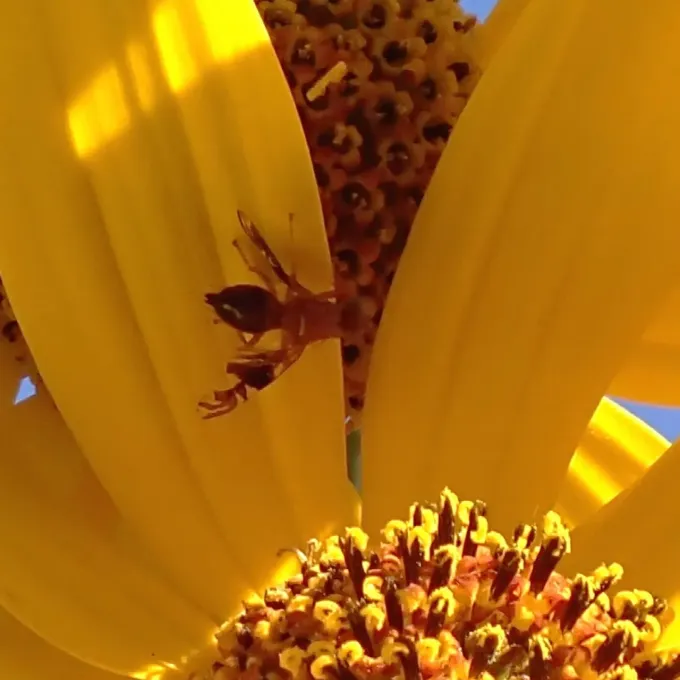
Description
How to identify
Parastenopa is a genus of fruit flies within the Tephritidae family, order Diptera. These insects are small to medium-sized flies known for their characteristic wing patterns.
Morphologically, they possess specialized mouthparts and sensory organs tailored for detecting suitable hosts and laying eggs within developing floral tissues.
Adult flies are typically observed on or near the host plant, particularly during the flowering season when they seek nectar and mating opportunities.
Larvae exhibit the typical morphology of fruit fly maggots: legless, cylindrical bodies that are well-adapted for feeding within plant tissue.
Detailed identification of Parastenopa species often requires entomological analysis of thoracic patterns and wing venation characteristics.
What it damages
This pest primarily targets plants within the Asteraceae family, infesting the flower heads (capitula) and consuming essential reproductive tissues.
By feeding on the receptacle and developing seeds, larvae significantly reduce seed viability and the overall yield of the affected crop.
Damage caused by the larvae manifests as structural disruption within the flower head, often preventing proper seed maturation and dispersal.
In addition to direct tissue consumption, the feeding activity promotes secondary infections by bacteria and fungi, exacerbating the overall damage to the plant.
Commercial seed production is particularly vulnerable to this pest, as even low infestation levels can result in non-marketable agricultural products.
When it appears
The life cycle of Parastenopa is highly seasonal and synchronized with the blooming period of its host plants to ensure larval survival.
Adults emerge from hibernation in the soil or crop debris, triggered by specific temperature and moisture conditions consistent with the start of the growing season.
The number of generations per year can vary depending on climatic zones, ranging from a single annual generation to multiple overlapping ones.
Pupation occurs in protected environments, typically within the soil or inside the dry remnants of the host plant, ensuring survival through the winter.
Peak activity is usually observed during warm, sunny days, which facilitate mating and host-searching behavior across the field or garden.
Signs of infestation
Signs of infestation include premature wilting or deformation of the flower heads before they have fully opened or reached maturity.
Close inspection of the flower heads often reveals small, darkened entry points left by the female's ovipositor during egg-laying.
When an infested flower head is dissected, one can observe larval feeding galleries and frass accumulation among the florets.
Affected plants may show reduced height or stunted growth in severe cases, particularly if the infestation occurs early in the reproductive phase.
Discoloration of the bracts surrounding the flower head is another common visual indicator that the interior tissues are being consumed by larvae.
Control measures
Effective management starts with cultural practices such as deep tillage after harvest to bury and destroy pupae residing in the soil surface.
Sanitation efforts, including the removal and destruction of crop residues and wild Asteraceae weeds, are critical to reducing the local population.
In cases of high pest pressure, the application of targeted insecticides during the budding phase can provide significant protection to the flowers.
Biological control agents, such as parasitoid wasps that target Tephritid larvae, can be encouraged to naturally suppress fly population growth.
Regular field scouting and the use of yellow sticky traps can assist growers in monitoring adult activity and timing necessary interventions.
Taxonomy
- Latin name
- Parastenopa
- Order
- Diptera (flies)
- Family
- Tephritidae
- EPPO code
- PSTESP
Discussion
No discussions yet — be the first.