
Panagrolaimus
Panagrolaimus
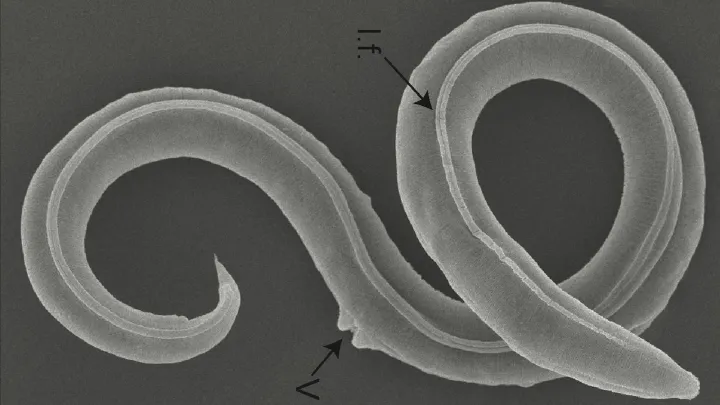
Description
How to identify
Panagrolaimus is a genus of soil-dwelling nematodes belonging to the order Rhabditida. These microscopic organisms are distributed worldwide and are known for their ability to thrive in diverse environmental conditions.
The body of a Panagrolaimus nematode is typically cylindrical and elongated. They possess a complex oral cavity specialized for feeding on bacteria and organic matter, which often brings them into close contact with crop roots.
These nematodes are recognized for their extreme resilience, demonstrating advanced capabilities for cryptobiosis. This biological mechanism allows them to withstand desiccation, freezing, and other severe environmental stressors.
The life cycle is characterized by rapid development through several larval stages before reaching adulthood. This speed of reproduction allows populations to spike quickly in nutrient-rich soil environments.
While often classified as saprobionts, they can act as opportunistic parasites. Their presence in the rhizosphere is often linked to the breakdown of root tissues and the facilitation of secondary infections.
What it damages
Panagrolaimus species primarily affect potatoes, various vegetable crops, and bulbs. They enter plant tissues through wounds or natural openings, creating paths for opportunistic bacterial and fungal pathogens.
The primary damage is the acceleration of plant tissue decay. By feeding on damaged areas, these nematodes facilitate the spread of soft rot, which can lead to the total loss of root systems or tubers.
Infested plants show clear symptoms of nutrient deficiency, such as stunted growth, wilting, and chlorosis. Despite adequate irrigation, the damaged root system is unable to support the plant's needs.
In commercial agriculture, the impact is significant due to decreased yields and poor post-harvest quality. Produce affected by these nematodes is prone to rapid spoilage during storage.
The synergy between nematodes and bacteria is the most harmful aspect of an infestation. The nematodes act as vectors, transporting pathogens deep into the healthy tissues of the plant.
Signs of infestation
The initial signs of infestation often appear as patches in a field where crops exhibit uneven growth. Leaves may yellow prematurely, and the plants appear weak compared to healthy individuals.
Upon closer inspection of the roots or tubers, growers may notice soft, discolored, and necrotic lesions. These spots often emit an unpleasant odor due to the accompanying bacterial activity.
Seedlings and young plants are particularly vulnerable, often displaying distorted growth or complete collapse of the root system. In advanced stages, the roots appear frayed and dark.
Diagnosing Panagrolaimus requires specialized soil or tissue sampling. Under laboratory conditions, technicians isolate the nematodes to confirm the presence and density of the population.
It is important to distinguish these symptoms from other soil-borne diseases. A professional phytosanitary inspection is crucial for an accurate diagnosis and effective treatment plan.
Control measures
Managing Panagrolaimus relies heavily on crop rotation to break the nematode life cycle. Alternating susceptible crops with non-host plants can drastically reduce population levels over time.
Proper soil management is essential for long-term control. Incorporating organic matter correctly and ensuring good drainage prevents the development of favorable conditions for the pests.
Biological control agents, such as nematode-trapping fungi and beneficial bacteria, are effective in lowering nematode numbers. These methods are sustainable and do not disrupt the soil microflora.
Sanitation practices are critical in preventing the spread of these pests. Cleaning farming equipment thoroughly and using disease-free planting material are primary lines of defense.
In controlled environments like greenhouses, steam sterilization of the soil is highly effective. Chemical control should be considered a last resort and used in accordance with environmental regulations.
Taxonomy
- Latin name
- Panagrolaimus
- Order
- Nematodes
- Family
- Panagrolaimidae
- EPPO code
- PANRSP
Discussion
No discussions yet — be the first.