
Vinegar eel
Panagrellus redivivus
Description
How to identify
The vinegar eel Panagrellus redivivus belongs to the phylum Nematoda, order Rhabditida, and family Panagrolaimidae. It is a free-living microscopic nematode reaching lengths of 1 to 1.5 mm.
The organism is characterized by a translucent, thread-like body designed for movement within moist or liquid environments, thriving in organic-rich substrates.
Their biological cycle is highly dependent on microorganisms, particularly yeast and bacteria, which serve as their primary food source in nature.
Reproduction is rapid under favorable conditions, allowing the population to explode in environments where organic decomposition is present.
Identification requires laboratory techniques, as these organisms are nearly invisible to the naked eye and thrive in complex biological substrates.
What it damages
Although Panagrellus redivivus is classified as a saprobiont, it can cause indirect damage to cultivated plants, particularly in greenhouse or nursery settings.
The pest often exploits weakened plant tissues, especially those affected by overwatering or poor ventilation, which prevents the plant from maintaining its natural defense mechanisms.
The primary agricultural harm stems from the nematode acting as a vector for pathogenic bacteria and fungi, which accelerate tissue decay and necrosis.
Affected plants suffer from loss of turgor pressure, leading to wilting and eventually the complete rot of roots, bulbs, or succulent stems.
Seedlings are particularly at risk, as their soft tissues are easily colonized by these nematodes, leading to mass mortality in controlled environments.
Signs of infestation
A telltale sign of heavy infestation is a distinct, sour, or putrid odor emanating from the soil or storage containers where plants are kept.
Growth stunting and yellowing of the foliage are common visible symptoms, often appearing despite optimal external watering and light conditions.
Root systems may show significant softening and browning, often transforming into a slimy, disorganized mass due to the combined action of nematodes and secondary microbes.
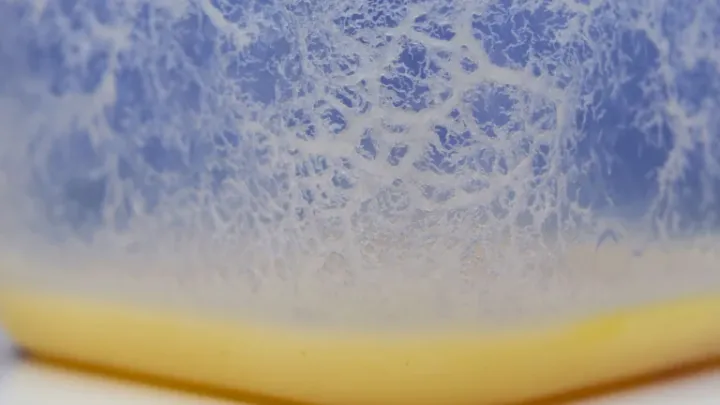
Under magnification or in extreme infestations, a whitish, shimmering film of worms may be visible on the surface of the growing medium or plant debris.
Infected storage organs, such as bulbs or tubers, may show deep pits and degraded tissue structures that spread rapidly through the storage heap.
Control measures
Sanitation is the most effective control measure; all decaying plant debris must be removed and destroyed to eliminate breeding grounds for the nematode.
Improving soil aeration and optimizing irrigation schedules are critical to prevent the moisture levels that allow these nematodes to proliferate.
Using certified, pathogen-free planting material ensures that these pests are not introduced into the crop production area from the start.
Biological control, specifically the use of nematode-trapping fungi, can be an effective way to manage and reduce population levels in organic systems.
- Regular tillage and cultivation to improve soil drainage and oxygenation.
- Heat sterilization of soil and growing media before sowing or transplanting.
- Strict decontamination of tools and greenhouse surfaces to prevent cross-contamination.
Taxonomy
- Latin name
- Panagrellus redivivus
- Order
- Nematodes
- Family
- Panagrolaimidae
- EPPO code
- PANARE
Discussion
No discussions yet — be the first.