
Panagrellus
Panagrellus
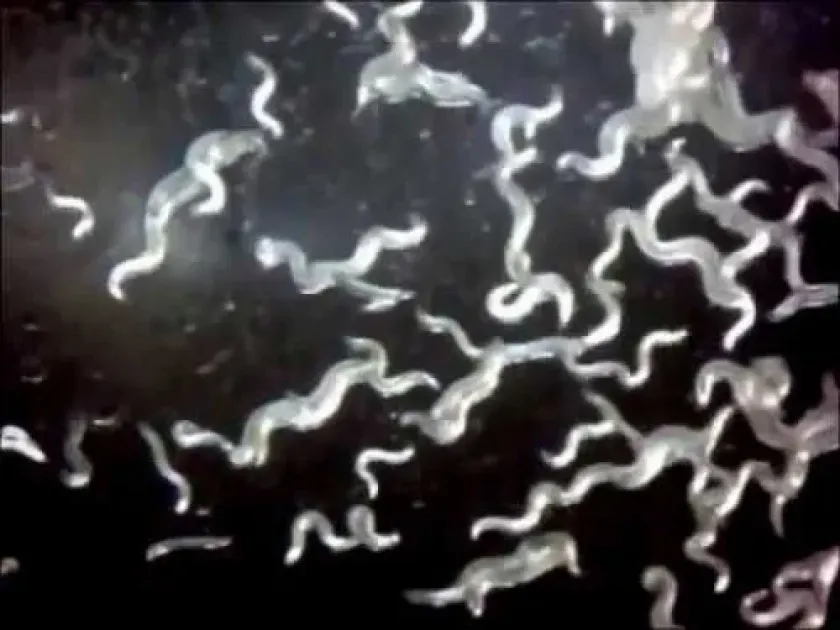
Description
How to identify
Panagrellus is a genus of microscopic worms belonging to the order Rhabditida and the family Panagrolaimidae. Often referred to as "vinegar eels" due to their common presence in acidic substrates, these nematodes are tiny, typically measuring between 1 and 2 millimeters.
They appear as thin, translucent filaments that exhibit constant, writhing movement. Their physiological structure allows them to thrive in moist environments rich in organic matter, where they feed primarily on bacteria and decaying biological material.
From a biological standpoint, these nematodes are saprobionts, yet they demonstrate opportunistic behavior. Under conditions of high humidity and when plant tissues are weakened or damaged, they can infest living crops, turning from beneficial decomposers into plant pests.
Their reproduction rate is exceptionally high. Given sufficient moisture and organic nutrients, their population can explode within a few days, colonizing entire substrates and creating a significant biological burden on the host plant environment.
The optimal environment for their survival includes humidity levels above 80% and moderate temperatures. In greenhouse environments where these conditions are consistently maintained, the threat of Panagrellus infestation increases significantly.
What it damages
Panagrellus primarily causes damage in greenhouse settings where vegetable crops and seedlings are grown in organic-based substrates. The pests target the root system, causing severe physiological stress to the plant.
They invade plant tissues through pre-existing lesions or wounds, often caused by other soil-borne pathogens or improper handling. Once inside, they disrupt cellular integrity, leading to the rapid necrosis of root hairs and small root structures.
Infested plants show clear symptoms of nutrient deficiency and stunted growth. The foliage may turn yellow and wilt, as the compromised root system becomes unable to supply the necessary water and minerals to the rest of the plant.
Furthermore, Panagrellus acts as a vector for secondary bacterial and fungal infections. By moving through the tissues, they distribute pathogens that accelerate the rotting process of stems and roots, often leading to total crop loss.
Young seedlings are particularly vulnerable to these nematodes. Their developing root systems lack the structural resistance of mature plants, making them prone to rapid colonisation and death when exposed to high densities of the pest.
Signs of infestation
The first sign of an infestation is a sudden, unexplained retardation in the growth rate of crops. When plants are carefully extracted from the substrate, one might notice that the roots appear slimy, discolored, or partially decayed.
A microscopic inspection of the root surface often reveals clusters of active nematodes. They are typically found in the biofilm covering the roots, where they congregate to feed on the bacterial colonies present in the decaying tissue.
Above-ground symptoms include loss of turgor in leaves and progressive chlorosis. If the infestation is severe, the leaves may start to die back from the edges, reflecting the plant's systemic inability to maintain its physiological functions.
The substrate itself may develop a distinct, pungent odor of decay. This is a common indicator of significant microbial activity, often driven by the presence of both nematodes and secondary pathogens accelerating organic decomposition.
If you observe patchy wilting in a greenhouse alongside consistently wet soil, it is essential to perform a phytopathological analysis of the substrate to confirm the presence of Panagrellus and assess the population density.
Control measures
Effective control of Panagrellus starts with strict moisture management. Avoid over-watering and ensure that greenhouse containers have excellent drainage systems to prevent the accumulation of stagnant water where nematodes thrive.
Always use sterilized growing media. Heat treatment (steaming) of soil or substrate before planting is the most reliable method for eliminating both eggs and adult nematodes, ensuring a clean start for your crops.
Implement agronomic practices such as regular soil aeration. By loosening the top layer of the substrate, you improve oxygen availability, which creates a less favorable environment for these moisture-loving nematodes.
Biological control, using predatory fungi that target nematodes, can be an effective and environmentally friendly strategy. These natural enemies help keep nematode populations under control without relying on harsh chemicals.
Finally, practice consistent sanitation by removing all crop residues and disinfecting tools at the end of each growing cycle. This disrupts the nematode life cycle and prevents re-infestation in the subsequent planting season.
Taxonomy
- Latin name
- Panagrellus
- Order
- Nematodes
- Family
- Panagrolaimidae
- EPPO code
- PANASP
Discussion
No discussions yet — be the first.