
Oxygastra
Oxygastra
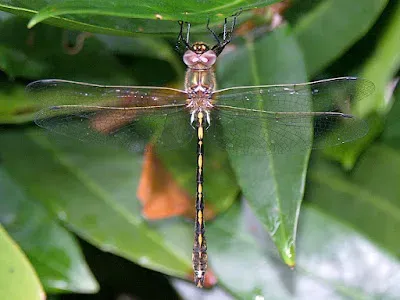
Description
How to identify
Oxygastra is a genus of dragonflies belonging to the family Corduliidae. The most prominent species is Oxygastra curtisii, often referred to as the orange-spotted emerald due to its distinct appearance.
Adult dragonflies of this genus are recognizable by the metallic green body and the series of orange-yellow spots running down the dorsal side of the abdomen. Their wings are transparent with a complex vein structure.
The larvae are entirely aquatic and inhabit the substrate of slow-moving streams and rivers. Their morphology is adapted for camouflaging in mud and silt, which serves as a protective mechanism.
Adults are skilled aerial predators, feeding on various small insects. They play a significant role in the food chain by managing populations of midges and mosquitoes near water bodies.
It is important to clarify that Oxygastra is not an agricultural pest. In many jurisdictions, it is considered a protected species rather than an organism that requires control measures.
When it appears
The adult flight period typically occurs between May and July. During this time, they are most active near freshwater habitats, engaging in mating and egg-laying activities.
The larval stage is prolonged, often lasting two to three years. This requires stable water conditions, making the species highly sensitive to environmental degradation and chemical pollution.
Control measures
No control measures are needed for Oxygastra as they do not attack crops or plants. They are beneficial predatory insects that contribute to natural pest management in riparian zones.
The best practice for land managers is to ensure that pesticides or fertilizers do not wash off into nearby water bodies, as the larvae are highly sensitive to chemical runoff.
Maintaining healthy riparian vegetation is beneficial for both the dragonflies and the surrounding agricultural environment. This supports biodiversity and ecological health.
There are no damage symptoms associated with this genus, as they do not feed on any plant tissues. Any concerns regarding crop damage should be directed toward actual pests, not dragonflies.
In conclusion, Oxygastra should be protected as a valuable indicator of water quality and a natural controller of other insect populations. They represent a natural biological asset to the landscape.
Taxonomy
- Latin name
- Oxygastra
- Family
- Corduliidae
- EPPO code
- OXYGSP
Discussion
No discussions yet — be the first.