
Spinose ear tick
Otobius megnini
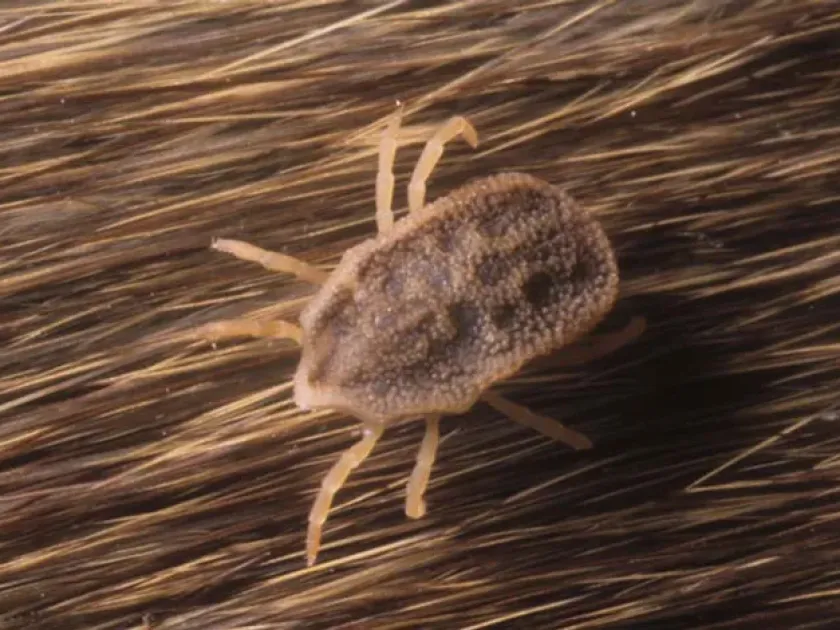
Description
How to identify
The Otobius megnini, commonly known as the spinose ear tick, belongs to the Argasidae family. Unlike typical ixodid ticks, this species has a unique life cycle where only the larval and nymphal stages are parasitic within the ear canals of mammals.
Adult ticks of this species are non-parasitic and reside in protected environments such as wall crevices, cracks in pens, or dry, sheltered areas of animal housing. The nymphs are easily identified by their oval bodies covered with tiny spines.
Identification often occurs during physical inspection of livestock, where the nymphs appear as grayish, spiny organisms lodged deep within the ear canal. They lack the hard dorsal shield found in many other tick species.
While often associated with small animals, the primary concern for agronomists and farm managers is the impact on cattle, sheep, and horses. It remains a significant pest in agricultural settings requiring careful management.
Understanding the biology of this tick is essential for maintaining high veterinary standards on farms, as its presence directly correlates with the hygienic state of the animal housing facility.
What it damages
The primary hosts affected by this tick include cattle, sheep, goats, and horses. While not a direct plant pest, its presence causes significant economic damage to livestock operations by reducing animal health and performance.
The parasitic activity causes intense irritation, inflammation, and potential secondary bacterial infections in the ears of affected livestock. This distress leads to reduced feed intake and overall weight loss in the herd.
In large-scale agricultural operations, the presence of the tick increases veterinary costs and requires labor-intensive treatment protocols. Animals are often restless, which further interferes with the efficient management of the livestock.
Infestation hampers the growth rates of young livestock, which can lead to significant financial losses for farmers. Moreover, chronic ear irritation may render animals harder to manage during routine husbandry practices.
Managing the spinose ear tick is therefore crucial for agricultural profitability, ensuring that animal welfare is maintained and production output remains optimal throughout the farming cycle.
Signs of infestation
Typical signs of infestation include behavioral changes in livestock, such as frequent head shaking, tilting the head to one side, or rubbing the ears against fences and structures.
Upon examination, the ear canal may contain a mixture of waxy exudate, tick feces, and the ticks themselves. Excessive inflammation and swelling of the ear flap may also be present in severe cases.
Decreased appetite and reduced time spent grazing or feeding are common indicators of the stress caused by the tick infestation. The persistent annoyance forces animals to focus on self-soothing rather than production-related activities.
The presence of adults in the environment can be confirmed by inspecting dry, dark, and sheltered corners of barns or pens, where these ticks gather during their non-parasitic life stages.
Failure to identify these signs early can result in chronic ear damage, potential secondary infections, or even permanent hearing loss in the affected animals, decreasing their overall market value.
Control measures
Effective control involves a multi-faceted approach, starting with the thorough cleaning and sanitization of animal enclosures to eliminate hiding spots for the adult ticks.
The use of approved acaricides applied to both the animals (following veterinary guidance) and the environmental structures is essential for reducing the parasite population within the facility.
Routine maintenance, such as sealing cracks in walls and wooden structures, prevents the establishment of adult ticks in the environment, thereby breaking the life cycle of the pest.
Quarantine and examination of new livestock before introducing them to the main herd is a critical preventative measure to avoid spreading the infestation across the farm.
- Regular physical inspection of ears.
- Sanitation of housing facilities.
- Application of specialized acaricides.
- Sealing crevices and cracks.
- Veterinary-monitored treatment programs.
Taxonomy
- Latin name
- Otobius megnini
- Family
- Argasidae
- EPPO code
- ORNIME
Discussion
No discussions yet — be the first.