
Orphanostigma haemorrhoidalis
Orphanostigma haemorrhoidalis
Description
How to identify
Orphanostigma haemorrhoidalis is a species of moth within the Crambidae family, commonly known as grass moths or snout moths. This insect is recognized as a potential pest in various agricultural and horticultural systems, particularly in warmer climates.
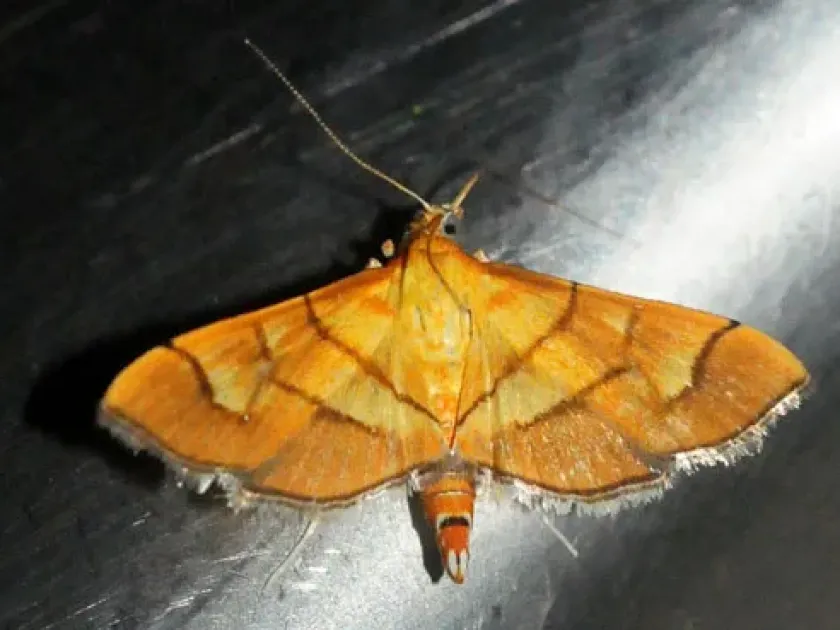
The adult moth is characterized by a moderate wingspan, typically ranging from 20 to 25 mm. Their coloration consists of brownish or ochre hues with specific markings on the forewings, which serve as camouflage against plant debris and soil surfaces.
The life cycle follows complete metamorphosis, comprising the egg, larva (caterpillar), pupa, and adult stages. The duration of each developmental stage is highly dependent on ambient temperatures and humidity levels.
The species exhibits high ecological plasticity, allowing it to complete multiple generations within a single growing season under optimal conditions, which significantly increases the risk of population outbreaks.
Understanding the taxonomic position and the specific behavioral patterns of this moth is crucial for entomologists and agronomists to develop accurate detection and management protocols for affected crops.
What it damages
The primary damage caused by Orphanostigma haemorrhoidalis is attributed to its larval stage. These caterpillars are known to feed on a variety of host plants, showing a strong preference for Solanaceous species and other horticultural crops.
Caterpillars consume leaf tissue, which leads to defoliation and a direct reduction in the plant's photosynthetic capacity. This loss of green area limits the plant's ability to produce energy for growth and fruit development.
In addition to foliage, larvae often target reproductive organs, including buds, blossoms, and young fruits. Such damage causes premature fruit drop or results in the formation of deformed, unmarketable produce.
When larvae penetrate the interior of fruits or stems, they create tunnels that weaken the plant structure and serve as entry points for secondary pathogens, such as bacteria and fungi, which can cause total yield loss.
The economic impact is determined by the density of the larval population. In protected environments like greenhouses, even moderate infestations can lead to significant financial losses if not managed promptly.
Signs of infestation
Early symptoms of an infestation typically manifest as small holes or notches on the leaf blades, caused by the feeding activity of young, early-instar caterpillars.
A distinctive sign of Orphanostigma haemorrhoidalis activity is the presence of silk webbing. Larvae often use this webbing to bind leaves together or to construct protective retreats, making them harder to detect and treat.
Frass (larval excrement) found on leaf surfaces, in leaf axils, or on the soil around the base of the plant provides clear evidence of the presence and developmental stage of the pest.
On fruits, one might notice localized bruising or small entrance holes. These areas often appear darkened or necrotic as the tissue reacts to the physical damage and pathogen colonization.
General symptoms like sudden wilting of leaves or shoots, even when soil moisture is adequate, may indicate internal stem feeding, as the larva disrupts the plant's vascular flow.
Control measures
Effective management of Orphanostigma haemorrhoidalis requires an integrated approach that prioritizes cultural and biological tactics to minimize the use of broad-spectrum synthetic pesticides.
Cultural methods are essential for prevention, including thorough sanitation of the growing area. Removing crop residues and weeds after harvest destroys overwintering pupae and reduces the potential for subsequent infestations.
Biological control agents, such as Bacillus thuringiensis (Bt) or entomopathogenic fungi, have shown promise in controlling larval populations without leaving toxic residues on food crops.
- Implementing fine-mesh screens on greenhouse vents to physically exclude adult moths.
- Monitoring population levels using pheromone traps to time the application of interventions accurately.
- Hand-picking and destroying infested leaves or fruit clusters in small-scale garden plots.
Chemical control should be considered as a last resort, using selective, low-persistence insecticides that are safe for beneficial insects and comply with local regulations and pre-harvest intervals.
Taxonomy
- Latin name
- Orphanostigma haemorrhoidalis
- Order
- Lepidoptera (butterflies)
- Family
- Crambidae
- EPPO code
- SYNMHA
Discussion
No discussions yet — be the first.