
Relapsing fever tick
Ornithodoros turicata
Description
How to identify
Ornithodoros turicata is a species of soft tick belonging to the Argasidae family. Unlike hard ticks, it lacks a sclerotized dorsal shield, allowing its body to expand during feeding.
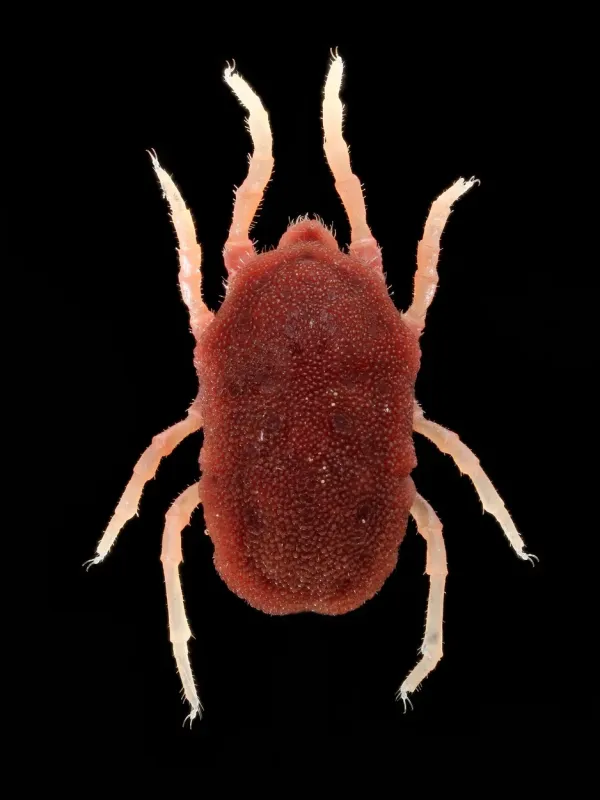
The adult ticks are oval-shaped with a granular, leathery cuticle ranging in color from grey to dark brown, which helps them blend into their natural hiding places.
These ticks are nocturnal and spend most of their time hidden in floor crevices, cracks in walls, or dry soil, emerging only to feed on a host.
The life cycle is complex, involving eggs, larvae, several nymphal stages, and adults, all of which require blood meals to progress through their development.
They are known for their extreme longevity and ability to survive for long periods—often years—without access to a blood meal.
What it damages
The primary agricultural impact of Ornithodoros turicata is its role as an ectoparasite that infests livestock barns, poultry houses, and animal shelters.
By feeding on the blood of cattle, pigs, and poultry, these ticks cause significant stress, blood loss, and weight reduction in the host population.
They are significant vectors for various pathogens, including the bacteria that cause relapsing fever, posing a health risk to both livestock and humans.
High infestations often lead to anemia in animals, reduced milk yield, and lower growth rates in young livestock.
The presence of these ticks creates a constant burden on farm management due to the necessity of frequent facility disinfection and veterinary monitoring.
Signs of infestation
Animals affected by these ticks often show signs of extreme agitation, scratching, and restless behavior, particularly during the nighttime hours.
Physical evidence of infestation includes the presence of small, dark fecal spots and discarded exoskeletons near cracks and crevices in the barn structure.
Skin examination of host animals reveals localized redness, itching, and inflammatory lesions resulting from the tick's saliva.
Anemia in livestock, characterized by pale mucous membranes and lethargy, is a common indicator of a heavy infestation.
Direct sightings of the ticks hidden deep within wooden structures or mortar gaps confirm the presence of the colony.
Control measures
Effective control requires structural maintenance, specifically sealing all cracks and crevices where ticks typically hide and congregate.
Rigorous sanitation and regular removal of organic debris from animal enclosures limit the hiding spots and survival of the tick population.
Application of persistent acaricides to barn floors, walls, and nesting areas is necessary to interrupt the tick life cycle.
Implementing strict biosecurity protocols for introducing new livestock helps prevent the spread of these parasites between facilities.
Workers should wear protective clothing and conduct periodic inspections of the facility to ensure early detection and prevent widespread outbreaks.
Taxonomy
- Latin name
- Ornithodoros turicata
- Family
- Argasidae
- EPPO code
- ORNITU
Discussion
No discussions yet — be the first.