
Ornithodoros tholozani
Ornithodoros tholozani
Description
How to identify
Ornithodoros tholozani is a species of soft tick belonging to the Argasidae family. These ticks are nocturnal, spending most of their time in hidden crevices within animal shelters.
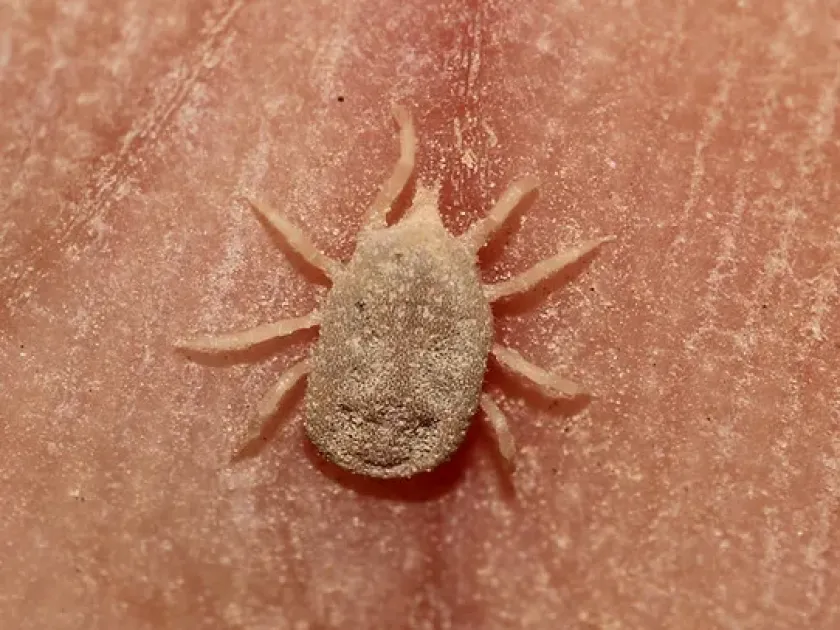
Adult ticks have a flat, oval body, usually measuring 4 to 8 mm in length, and their surface is covered with numerous small tubercles. Unlike hard ticks, they lack a dorsal shield, making them less recognizable to the untrained eye.
The coloration of these parasites typically ranges from yellowish-gray to dark brown. Their mouthparts are located ventrally and are usually retracted, helping the tick remain inconspicuous.
These ticks are remarkably resilient, capable of surviving for long periods of starvation. Their ability to persist in empty structures for years makes them particularly difficult to eradicate.
Life stages include larvae, nymphs, and adults. Each stage requires a blood meal from a host to develop, though their feeding habits are brief, often lasting only a few minutes.
What it damages
The primary damage caused by these ticks relates to their role as ectoparasites of livestock, including poultry, cattle, sheep, and camels. They feed on blood, causing significant stress to the host animals.
The persistent irritation from bites leads to restless behavior in livestock, which negatively impacts their feeding patterns, overall growth, and productivity, such as milk or egg output.
In addition to blood loss leading to anemia, these ticks act as potent vectors for various pathogens. They can transmit bacteria and viruses that cause serious diseases in domestic livestock.
Infestations often lead to secondary skin infections in animals due to constant scratching and biting at the affected areas, further deteriorating the health of the herd or flock.
Economic losses arise not only from the health decline of the animals but also from the high costs associated with rigorous disinfection and veterinary treatment required to control outbreaks.
When it appears
Activity levels are highly dependent on environmental temperature and humidity. While they are most active during warmer months, they can thrive year-round in temperature-controlled stables or barns.
They are primarily nocturnal, emerging from their hiding spots at night to feed on resting animals. During the day, they remain deep within crevices where they are protected from light and disturbance.
Seasonal patterns show peak reproduction and development during the summer, as warmth accelerates their biological cycles and increases the need for frequent blood meals.
In colder regions, ticks in unheated shelters may enter a state of reduced metabolic activity, surviving by conserving energy within their protective harborages until favorable conditions return.
Effective monitoring should be increased during the spring transition, as the rising temperature signals the start of the breeding season for the population.
Signs of infestation
An initial sign of infestation is noticeable unrest in the livestock, particularly during the night, as the animals react to the pain and itching caused by the tick's feeding.
Careful inspection of the facility is required to find the ticks. Key areas to check include cracks in the walls, floor joints, wood panels, and around feeding troughs.
The presence of dark, spotty excrement near cracks or corners is a strong indicator of a well-established colony of ticks in the vicinity.
Unexplained anemia or lethargy in young animals, especially when other diseases have been ruled out, is often a clinical sign of chronic infestation by these soft ticks.
Visible bite marks or skin lesions on the animals, particularly around the belly and legs, often provide physical evidence of the parasite's recent feeding activity.
Control measures
Control measures must focus on habitat modification. Sealing cracks and crevices in the walls and floor with cement or industrial sealants is the most effective way to eliminate hideouts.
Regular sanitation and the application of acaricidal agents are critical. These chemicals must be applied to the surfaces where ticks are known to hide to ensure the treatment is effective.
- Deep cleaning of barns and animal housing areas.
- Application of approved acaricides to infested surfaces.
- Physical removal of debris, old bedding, and wooden materials.
- Limiting access to nesting sites through structural repairs.
A rigorous biosecurity approach is necessary to prevent the introduction of these ticks into new areas, often involving the quarantine of incoming animals.
In extreme cases of infestation, professional pest control intervention involving systemic treatment of the structure is required to achieve complete eradication of the population.
Taxonomy
- Latin name
- Ornithodoros tholozani
- Family
- Argasidae
- EPPO code
- ORNITH
Discussion
No discussions yet — be the first.