
Ornithodoros parkeri
Ornithodoros parkeri
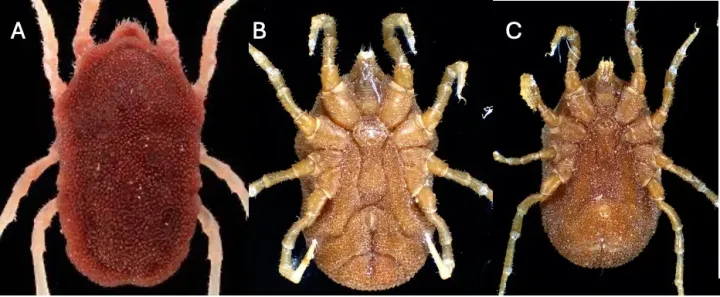
Description
How to identify
Ornithodoros parkeri belongs to the family Argasidae, commonly known as soft ticks, which lack the sclerotized dorsal scutum found in hard ticks.
The body of an adult tick is oval-shaped with a rough, leathery integument that varies in color from dull brown to dark grey, allowing them to blend into crevices.
Their life cycle consists of egg, larval, several nymphal stages, and adult, with each stage requiring a blood meal from vertebrate hosts to progress.
These ticks are nocturnal and primarily dwell in the nests of rodents, burrows, or deep within the structural cracks of animal shelters.
Known for their extreme resilience, they can endure long periods of starvation, making them difficult pests to eradicate once they colonize a building.
What it damages
Ornithodoros parkeri is not a plant pest; however, it poses a significant threat to livestock management and agricultural facilities by targeting animals.
Infestations lead to severe stress in livestock and poultry, resulting in decreased weight gain, reduced milk production, and overall loss of animal vitality.
Repeated bites cause localized skin inflammation, severe itching, and can lead to anemia, especially in younger or weaker livestock individuals.
The presence of these ticks creates health risks, as they are capable of harboring and transmitting various pathogens between wild rodent populations and farm animals.
Economic damage includes the cost of frequent veterinary inspections, loss of animal productivity, and labor-intensive sanitation procedures required for control.
Signs of infestation
The primary indication of an infestation is finding the ticks themselves in protected, dark areas like floorboards, wall crevices, or debris near nests.
Animals showing signs of discomfort, constant scratching, or localized skin lesions are often the first alert for farm owners regarding a potential tick outbreak.
Evidence of tick activity includes small dark spots of fecal matter or discarded exoskeletons found along cracks or near nesting sites of host animals.
The proximity of rodent burrows to farm buildings is a major indicator that the area is likely colonized by Ornithodoros parkeri.
In cases of heavy infestation, farmers might observe unusual restlessness in poultry or young animals during nighttime hours, reflecting the tick's nocturnal feeding habits.
Control measures
Effective control requires an integrated approach that prioritizes structural hygiene and the elimination of host habitats, particularly rodent populations.
Structural maintenance is crucial; all gaps, cracks, and crevices in foundation walls and floors should be sealed with sealant or cement to eliminate refuges.
The application of contact acaricides to wall surfaces and nesting areas is an essential component for reducing the tick population within livestock facilities.
- Rigorous deratization programs to remove the tick's natural food source.
- Regular cleaning and whitewashing of animal shelters to expose tick hiding spots.
- Sanitation practices that prevent the accumulation of organic waste and debris in barns.
Consistent monitoring and professional veterinary oversight are recommended to maintain a tick-free environment and protect livestock health from potential infestations.
Taxonomy
- Latin name
- Ornithodoros parkeri
- Family
- Argasidae
- EPPO code
- ORNIPA
Discussion
No discussions yet — be the first.