
Argasid ticks
Ornithodoros
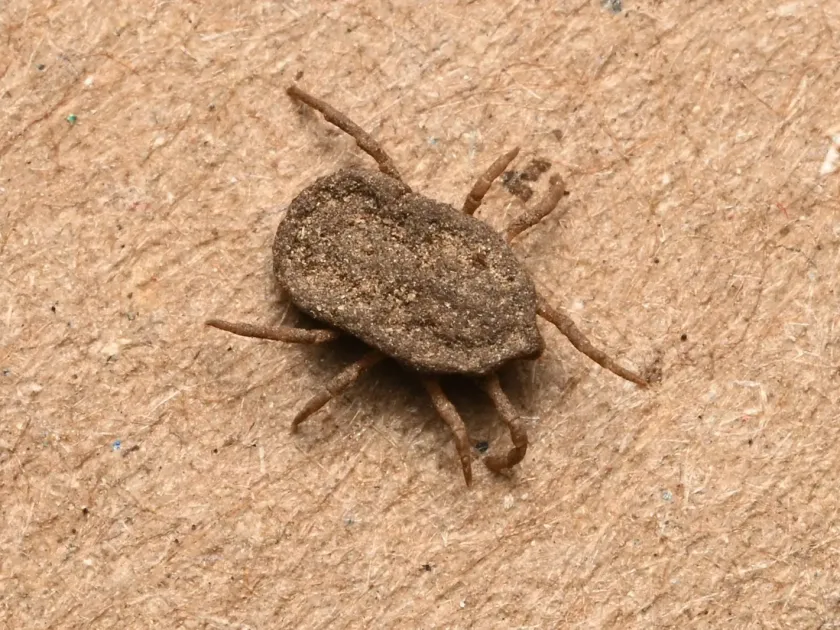
Description
How to identify
Argasid ticks (genus Ornithodoros) are a family of ticks belonging to the order Parasitiformes. Often referred to as "soft ticks," they lack the hard dorsal shield (scutum) characteristic of Ixodid ticks.
The adult body is typically oval or pear-shaped with a leathery texture. Colors range from grayish-brown to dark brown, and adults can measure between 3 and 15 millimeters in length.
A distinctive anatomical feature is that the mouthparts are situated on the ventral side of the body, making them invisible when viewed from above.
Their life cycle consists of egg, larva, several nymphal stages, and adult stages. Each stage requires a blood meal, allowing for significant growth through successive molts.
These ticks are nocturnal pests, spending their daylight hours hiding in cracks, crevices, animal bedding, or burrows, which makes them difficult to detect.
What it damages
It is important to note that Ornithodoros species are not plant pests. They are obligate ectoparasites that primarily affect poultry, cattle, and sheep in agricultural settings.
They inflict substantial economic damage by causing chronic stress, blood loss, and reduced weight gain in livestock due to frequent nocturnal feedings.
Argasid ticks are significant vectors of various pathogens, including avian spirochetosis, which can lead to severe morbidity and high mortality rates in farm animal populations.
Damage to the animals manifests as severe dermatitis, anemia in younger stock, and general poor health, which disrupts the efficiency of farm operations.
Their presence in agricultural buildings can lead to long-term contamination of facilities, as they can thrive in wooden structures and feed storage areas.
When it appears
The activity of Argasid ticks is largely governed by the temperature of the environment. They favor warm, stable conditions found in barns and poultry houses.
While their activity peaks in warmer months, in climate-controlled or heated agricultural buildings, these ticks can remain active and continue reproducing throughout the entire year.
A key biological advantage of Ornithodoros is their extreme resilience; they can survive for several years without feeding, remaining dormant during unfavorable seasons.
Population surges typically align with increasing temperatures, which accelerate their metabolic rate and shorten the developmental time of successive generations.
During colder periods, they undergo a state of diapause, retreating deeper into crevices and wall structures to wait for favorable environmental triggers.
Signs of infestation
The first indicator of infestation is restless behavior among animals, especially during the night, when the ticks emerge from their hiding spots to feed.
Visual inspection of the facility may reveal tick clusters, dark spots from their excrement, and shed exoskeletons (molts) located in wooden cracks or floor gaps.
Bite marks on animals appear as inflamed, reddish patches on the skin, often accompanied by signs of secondary infection due to scratching and irritation.
Reduced egg production in poultry and stunted growth in livestock are strong indicators of a severe infestation that requires immediate intervention.
- Nocturnal agitation of animals.
- Accumulation of black excrement in crevices.
- Presence of molted skins in poultry houses.
Control measures
Effective management begins with rigorous sanitation, including the removal of dust, debris, and animal waste from all surfaces where ticks might harbor.
Chemical control involving the application of registered acaricides to walls, floors, and nesting boxes is necessary to reduce population levels.
The use of thermal fogging or pressurized spraying helps ensure that chemical treatments penetrate deep into cracks and hidden cavities in building materials.
Structural maintenance is essential; sealing all gaps and crevices in walls and floors minimizes potential hiding places and prevents future re-infestation.
In cases of severe infestation, quarantine of infected animals and comprehensive treatment of the entire facility structure are required to break the life cycle.
Taxonomy
- Latin name
- Ornithodoros
- Family
- Argasidae
- EPPO code
- ORNISP
Discussion
No discussions yet — be the first.