
Olesicampe
Olesicampe
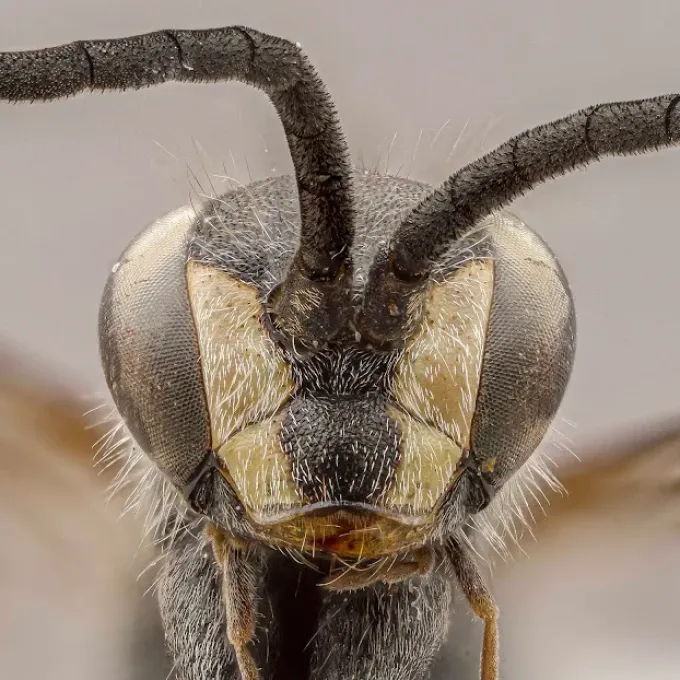
Description
How to identify
Olesicampe is a genus of parasitic wasps belonging to the family Ichneumonidae. These insects are essential components of balanced ecosystems, acting as natural enemies to various pests.
The adult wasps are typically small, slender insects that are easily overlooked in the field. Their body structure is adapted for efficient searching and egg-laying in specific larval hosts.
Biological identification of specific species within the genus requires specialized entomological study, as many look similar to other ichneumonid wasps found in meadows and orchards.
The life cycle involves an endoparasitic stage, where the larva feeds internally on its host, eventually killing it. This specificity makes them highly efficient in controlling targeted pest species.
They are widely recognized by agricultural entomologists as a key group of natural biological control agents that help maintain the population equilibrium in crops.
What it damages
Olesicampe wasps do not damage crops; instead, they target pests that cause significant harm to trees and agricultural plants. Their main victims are larvae of sawflies and other related insects.
By parasitizing these larvae, Olesicampe prevents them from consuming foliage. This action essentially shields the plants from potential defoliation and subsequent physiological stress.
Without the activity of these wasps, sawfly larvae can multiply rapidly, leading to severe economic losses in forestry and fruit production.
The "damage" caused by these wasps is strictly limited to the pests they hunt, making them invaluable allies for farmers and foresters aiming for sustainable production.
Therefore, managing Olesicampe involves protecting their habitat rather than attempting to control the wasps themselves, as their presence is entirely beneficial.
When it appears
The seasonal activity of Olesicampe is closely tied to the phenology of their hosts. Adults emerge in spring or summer, synchronized with the peak occurrence of susceptible larvae.
Overwintering usually occurs in the cocoon stage, often hidden within the soil or plant litter, providing protection from harsh winter temperatures.
Optimal environmental conditions, including moderate temperatures and sufficient humidity, are critical for successful adult emergence and host searching activities.
Depending on the region, some species may produce multiple generations per year, mirroring the life cycles of the pests they regulate.
Timing of field operations, such as mowing or tillage, can impact overwintering populations, so understanding their seasonal habits is vital for farm management.
Signs of infestation
Signs of Olesicampe presence are subtle but recognizable to trained eyes. The primary indicator is the presence of lethargic or dead larvae of the host species on the leaves.
- Slow movement or uncharacteristic behavior of host larvae.
- Dried or "mummified" remains of larvae on foliage.
- The presence of parasitoid cocoons tucked into plant crevices or soil.
- Noticeable reduction in larval feeding damage compared to previous seasons.
- Distinctive exit holes in the remnants of host cocoons.
Monitoring these signs helps agronomists estimate the natural control rate, often reducing the need for additional chemical interventions.
In cases where host larvae are present but showing signs of parasitism, it is often advisable to allow natural control processes to continue.
Regular field assessments of host population health are recommended to differentiate between successful parasitism and the need for direct management.
Control measures
The primary control strategy for Olesicampe is the preservation of their natural habitat and the reduction of indiscriminate pesticide use.
Broad-spectrum insecticides are detrimental to these beneficial wasps, as they kill the natural enemies along with the target pests, often leading to secondary outbreaks.
Implementing Integrated Pest Management (IPM) practices, such as using selective, targeted biopesticides, helps keep the wasp population thriving.
Creating flower strips or maintaining biodiversity in the field borders provides essential nectar sources for adult wasps, extending their lifespan and reproductive success.
By focusing on maintaining a stable agroecosystem, farmers can effectively utilize Olesicampe to provide long-term, cost-effective pest control.
Taxonomy
- Latin name
- Olesicampe
- Order
- Hymenoptera
- Family
- Ichneumonidae
- EPPO code
- OLESSP
Discussion
No discussions yet — be the first.