
Oedicarena
Oedicarena
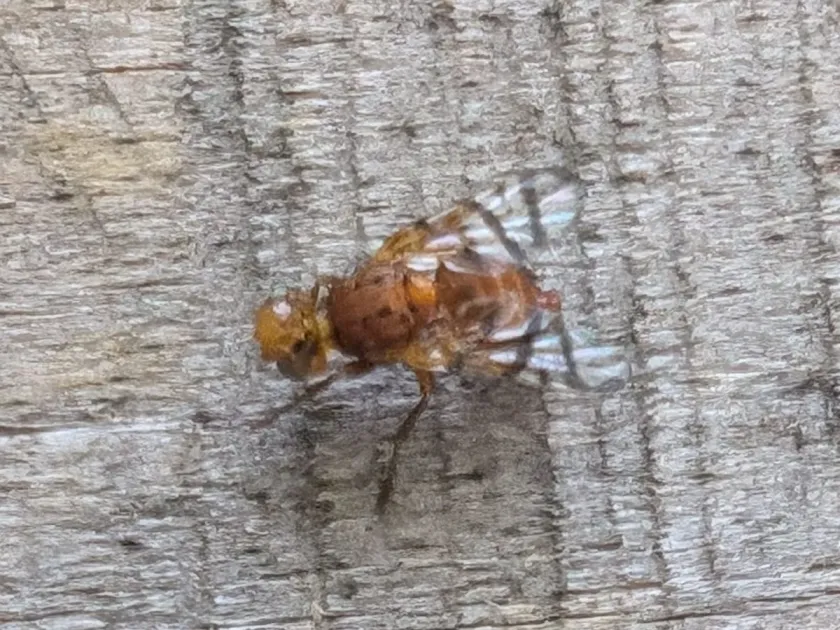
Description
How to identify
Oedicarena is a genus of fruit flies (Tephritidae) belonging to the order Diptera. These insects are recognized by their distinct wing patterns, which often feature intricate mottling or banded designs typical of this family.
Adult flies are generally small, with well-developed mouthparts designed for liquid feeding. They are highly active during the day, particularly in warm conditions, and are known for their specific flight patterns.
The larvae of Oedicarena are typically cylindrical and legless, with a structure optimized for feeding within plant tissues. Their coloration ranges from translucent white to creamy yellow, depending on the stage and nutrition.
The life cycle is characterized by complete metamorphosis. Pupation often occurs either within the host plant tissues or in the surrounding soil, depending on the specific environmental conditions and species behavior.
Taxonomic identification of Oedicarena species usually requires detailed examination of wing venation and male genitalia, making field identification challenging without specialized laboratory equipment.
What it damages
The primary hosts of Oedicarena are plants in the Asteraceae family. Various agricultural and ornamental crops, including sunflower species, are susceptible to infestations by these insects.
The larvae inflict direct damage by feeding on seeds and the nutrient-rich tissues of the receptacle within the flower head. This feeding behavior often leads to significant yield losses and reduces the quality of the harvested produce.
Feeding disrupts the seed-filling process, resulting in hollow or underdeveloped grains with low oil content. This impairment directly impacts the commercial value of the crop.
Secondary damage is common, as larval activity creates entry points for various fungal and bacterial pathogens, leading to rotting and further degradation of the crop tissues.
Economic damage thresholds can be exceeded quickly in optimal climatic conditions, necessitating regular scouting and monitoring of fields during the sensitive growth stages of the plants.
When it appears
The emergence of adult Oedicarena flies is closely tied to the phenological stages of their host plants, specifically the bud and flowering stages. This is the critical window for potential infestation.
Females utilize their ovipositors to deposit eggs deep into the flower buds. The timing of egg-laying is synchronized with the availability of suitable plant tissues for larval development.
Larval development duration varies based on temperature and moisture availability within the flower head. Rapid development can lead to multiple generations within a single growing season.
The insects spend the winter as pupae, either nestled in the soil or protected within plant remnants. This dormancy allows them to survive cold periods and re-emerge when conditions become favorable.
Environmental factors, such as humidity, significantly influence the survival rate of the pupae and the subsequent population size of the emerging adult generation in the following spring.
Signs of infestation
The initial signs of an infestation include the presence of tiny punctures on the surface of the flower head or bracts, created by the female while laying eggs. These marks may slightly discolor over time.
As the larvae grow, they hollow out sections of the receptacle, often leading to visible deformities in the shape of the flower head. Examining the internal tissues reveals larval activity.
Frass (larval excrement) inside the flower head is a clear diagnostic sign of active feeding. This debris often serves as a site for mold development in humid environments.
- Bracts with tiny exit or entry holes.
- Malformed, underdeveloped, or hollow seeds.
- Patchy development of the flower head during blooming.
- Evidence of fungal decay triggered by larval tunneling.
Regular visual inspections of the flower heads are essential to detect early-stage damage and prevent the spread of the infestation to adjacent parts of the field.
Control measures
Integrated Pest Management (IPM) is the most effective approach for controlling Oedicarena. Crop rotation is essential, as it disrupts the life cycle by removing the host source for consecutive years.
Cultural practices, such as deep autumn plowing, are highly effective in destroying overwintering pupae in the soil. This significantly reduces the overwintering population density.
Biological control agents, including various species of parasitic wasps, play a major role in regulating Oedicarena populations. Maintaining a healthy ecosystem with natural predators is crucial.
Chemical intervention should be reserved for instances where the population density threatens economic viability. Only authorized and target-specific insecticides should be applied.
Using yellow sticky traps for monitoring allows growers to track adult fly activity and apply control measures only when necessary, minimizing the environmental impact of pesticide use.
Taxonomy
- Latin name
- Oedicarena
- Order
- Diptera (flies)
- Family
- Tephritidae
- EPPO code
- OEDCSP
Discussion
No discussions yet — be the first.