
False blister beetle
Oedemera
Description
How to identify
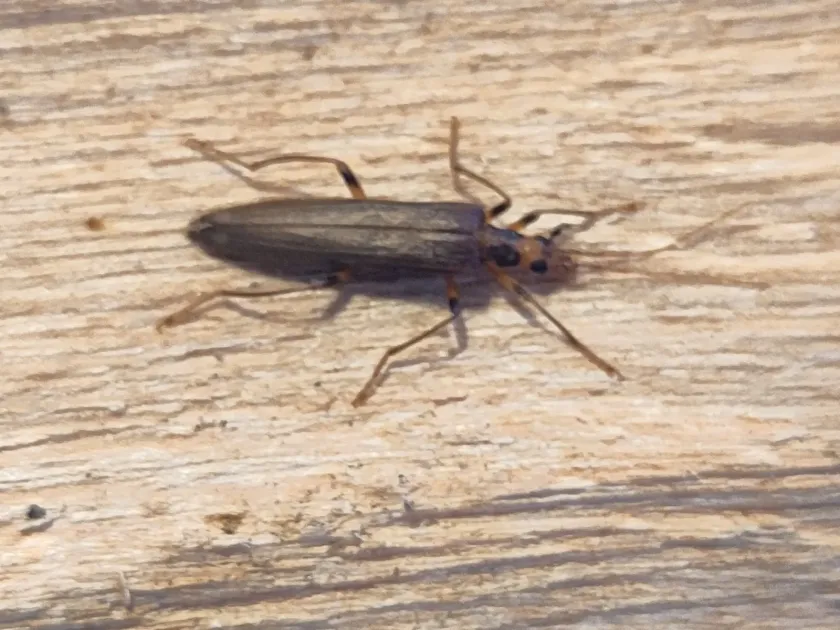
False blister beetles, belonging to the genus Oedemera and the family Oedemeridae, are distinct insects characterized by their elongated, soft-bodied structure. Adults typically measure between 8 and 15 mm in length.
The elytra (wing covers) are notably soft and taper towards the apex. Many species exhibit vibrant, often metallic colors like bronze or green, making them distinct in garden settings.
The head is relatively small with well-developed chewing mouthparts. Antennae are long and filiform, often reaching more than half the length of the body in most observed species.
Larval stages develop cryptically within decaying wood, plant stems, or soil. They are fleshy, light-colored grubs with visible thoracic legs and sclerotized markings on their dorsal segments.
Adults are commonly seen on various flowers, where they act as pollen feeders. While they perform pollination, they can become a nuisance in high numbers due to their feeding habits.
What it damages
The primary damage is caused by adults feeding on the reproductive parts of various plants. They consume petals, anthers, and stigmas, effectively disrupting the pollination process.
Fruit and berry crops, as well as ornamental flowering plants, are most susceptible to damage. In severe cases, feeding leads to blossom wilting and the failure of fruit set.
The aesthetic value of flowers in commercial production is significantly reduced due to the ragged appearance of blooms damaged by beetle feeding.
While larvae typically feed on dead organic matter, their presence near crop roots can inadvertently cause physical damage to root systems or promote secondary fungal infections.
Significant infestations during the peak flowering stage can lead to measurable crop losses, particularly in sensitive agricultural systems where pollination success is critical.
When it appears
The life cycle of the false blister beetle is highly dependent on environmental temperature and the availability of larval food sources like decaying wood.
Adult activity begins in late spring and continues throughout the summer months. They are most active during warm, sunny days, which facilitates their movement between floral resources.
The peak population density usually aligns with the peak blooming season of local vegetation. This synchronization ensures that beetles have an abundance of food for their development.
Overwintering occurs primarily at the larval stage within the substrate or wood they inhabit. A mild winter and abundant moist, decaying organic matter favor higher survival rates.
Pupation typically occurs in early spring, leading to the emergence of the next generation of adults that continue the cycle as temperatures rise.
Signs of infestation
Identification begins with spotting the beetles on flowers. Their soft, tapered elytra and quick flight response when disturbed are classic behavioral indicators.
Visible signs of damage include irregular holes in petals, missing or mangled reproductive organs within the flower, and general deterioration of the blossom's structure.
Affected flowers may drop prematurely or show signs of browning around the edges of the petals. Fruit set failure is a late-stage indicator of heavy infestation.
The proximity of the garden to woodpiles or areas with significant decaying vegetation is a strong environmental indicator of potential beetle pressure.
Early morning observations reveal sluggish beetles hiding within flower buds or deep inside the petals, seeking shelter from the cool ambient temperatures.
Control measures
Management of false blister beetles requires a balanced approach to minimize damage while protecting beneficial pollinators sharing the same habitat.
- Remove potential breeding sites such as decaying stumps, old logs, and woody debris from the garden.
- Hand-pick the beetles early in the morning when they are less active and easier to capture.
- Deploy yellow sticky traps for monitoring and reducing the population of adult beetles in flower beds.
- Promote rapid plant growth through optimal fertilization to reduce the duration of the vulnerable flowering phase.
- Use biological control agents or targeted, pollinator-safe treatments only if infestation levels exceed economic thresholds.
Taxonomy
- Latin name
- Oedemera
- Order
- Coleoptera (beetles)
- Family
- Oedemeridae
- EPPO code
- OEDMSP
Discussion
No discussions yet — be the first.