
Nothris congressariella
Nothris congressariella
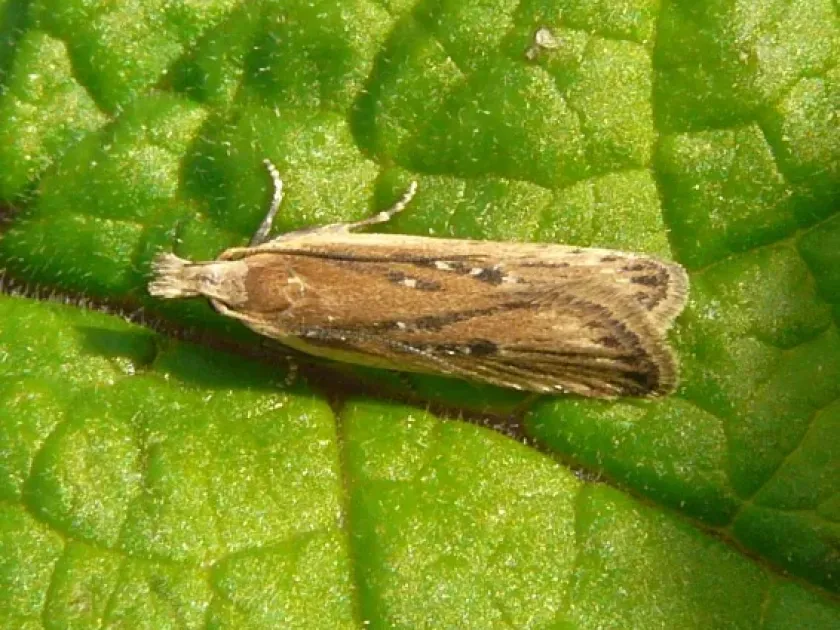
Description
How to identify
Nothris congressariella is a species of moth belonging to the family Gelechiidae (twirler moths). This small insect is known for its camouflaging appearance, which allows it to blend seamlessly into the texture and color of host plant stems and leaves.
The adult moth features slender wings covered in protective scales. Its antennae are filiform, and its eyes are well-adapted for identifying host plants during the dusk and evening hours when the insect is most active.
The larvae, or caterpillars, are the primary stage of concern for agronomists. They undergo several molting phases as they develop, often exhibiting varying colors that help them remain hidden from predators while feeding.
The lifecycle follows a complete metamorphosis: egg, larva, pupa, and adult. The duration of each stage is highly dependent on environmental conditions, particularly humidity and temperature levels within the fields.
Identifying the species often requires examining the wing pattern of the adults or the specific behavior of the larvae as they construct protective web structures on host plants.
##damage##This pest primarily infests plants in the Lamiaceae family, with a notable preference for species of the genus Salvia (sage). It can cause significant stress to both wild populations and commercial herb crops.
The larvae are active feeders that consume leaf tissue, often starting by skeletonizing the foliage. This reduces the plant's surface area for photosynthesis, leading to stunted growth and lower overall vigor.
A key sign of infestation is the construction of webbed leaf nests. The larvae bind leaves together with silk, creating a sheltered environment where they feed and complete their developmental stages, protected from predators and weather.
In addition to foliage, larvae often target reproductive organs, including buds and flowering stalks. This behavior can result in a direct reduction of seed yield and lower quality of harvested plant materials.
High population densities can cause severe defoliation, leaving plants susceptible to secondary infections and environmental stressors such as drought or frost.
Signs of infestation
The most common sign of presence is the appearance of rolled, withered, or webbed leaves at the terminal ends of plant shoots. When these structures are opened, one can usually find larvae or their excrement.
Irregular patches of missing leaf tissue (windowing) indicate early-stage feeding. As the larvae grow, these patches expand until entire leaves are skeletonized or partially consumed.
The presence of fine silk webbing between leaves or around flower spikes is a clear diagnostic indicator of Nothris congressariella activity within the field.
Stunted development of flower stalks or a significant decrease in the number of healthy buds suggest that the larvae have moved to the generative organs of the host plant.
Adult moths may be observed in flight during the evening or detected using pheromone traps, which allow producers to monitor population trends and estimate potential damage thresholds.
Control measures
Cultural control measures, such as deep plowing and the removal of crop residues, are essential to destroy overwintering pupae hidden in the soil or plant debris at the end of the season.
Sanitation practices, including the removal of wild Lamiaceae weeds around field perimeters, reduce alternative host sites and help limit the potential for pest migration into the main crop.
Biological control using microbial insecticides based on Bacillus thuringiensis is highly recommended as a selective method to manage larvae while minimizing impact on beneficial insects and natural enemies.
Chemical control should be timed with the peak emergence of young larvae. Systemic insecticides are often more effective once the larvae have begun to build protective webs, as these chemicals can penetrate the leaf tissue.
Regular scouting and monitoring are critical for effective management. By applying control measures before the larvae reach maturity, farmers can prevent the most severe damage to their harvest.
Taxonomy
- Latin name
- Nothris congressariella
- Order
- Lepidoptera (butterflies)
- Family
- Tineidae
- EPPO code
- NOTHCO
Discussion
No discussions yet — be the first.