
Neosilba pendula
Neosilba pendula
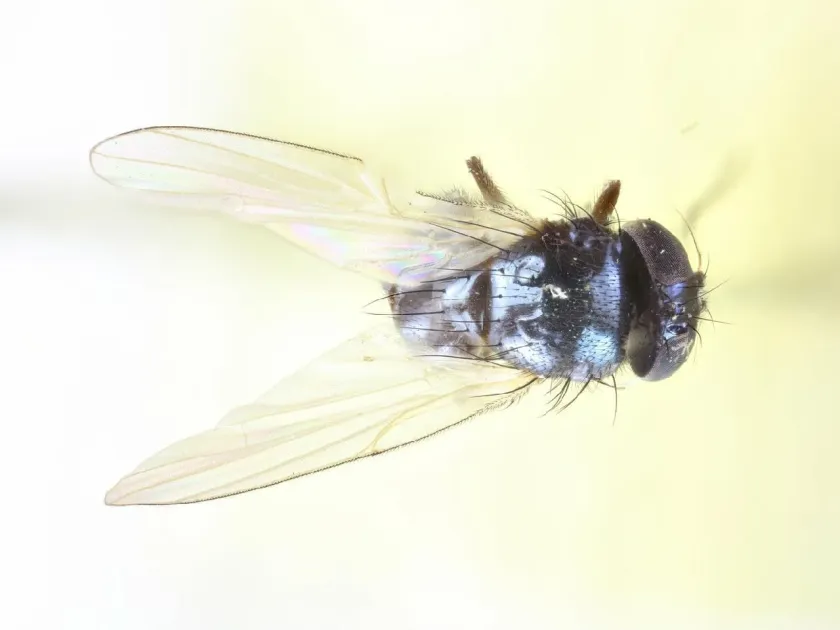
Description
How to identify
Neosilba pendula is a member of the Lonchaeidae family, known for its role as a significant pest affecting a variety of tropical crops worldwide.
The adult fly is characterized by its dark, shiny appearance. Its life cycle involves metamorphosis, with the larval stage being the most destructive phase for agricultural productivity.
Identification often relies on microscopic analysis of the male genitalia, as external features can be confusingly similar to other related species within the Lonchaeidae family.
This pest thrives in tropical climates where stable temperatures allow for continuous generations, making it a persistent challenge for farmers throughout the year.
Understanding the biology of this fly is crucial, as it often acts in synergy with other pests, complicating the identification and management strategies.
What it damages
The larvae of Neosilba pendula primarily infest fleshy fruits and roots, with crops like papaya, citrus, and cassava being the most common targets.
By tunneling into the plant tissue, larvae cause direct destruction of the fruit interior, leading to softening and complete unmarketability of the product.
In addition to physical damage, the injury sites become entry points for various pathogens, leading to fungal and bacterial rots that destroy the harvest.
For international trade, the presence of Neosilba pendula is a major barrier, as it is classified as a quarantine pest in many regions.
Economic losses are often substantial, as early-stage infestations are difficult to detect, resulting in the shipment of infected products to markets.
Signs of infestation
Initial signs of infestation often appear as tiny puncture marks on the fruit epidermis, made by the female fly during oviposition.
Tissue discoloration and localized softening around the entry holes are common visual indicators of larval activity beneath the surface.
Premature fruit drop is frequently observed, as the plant responds to internal larval feeding by shedding the compromised fruit.
Upon cutting open an infested fruit, internal galleries filled with larval excrement and white larvae can be clearly observed.
The presence of adults in pheromone or bait traps placed within the orchard is a reliable sign of active infestation pressure in the area.
Control measures
Sanitation is the cornerstone of control: farmers should promptly collect and destroy all fallen or damaged fruits to break the life cycle of the pest.
Chemical control focuses on targeting adults with appropriate insecticides to prevent them from successfully laying eggs on maturing fruits.
Biological control methods, including the release of specific hymenopteran parasitoids, have shown promise in reducing population density in some regions.
The use of protein-based baits combined with insecticides is a widely accepted practice for monitoring and suppressing adult fly populations effectively.
Cultural practices, such as maintaining soil health and preventing water stagnation, can help minimize the survival rate of pupae found in the soil layer.
Taxonomy
- Latin name
- Neosilba pendula
- Order
- Diptera (flies)
- Family
- Lonchaeidae
- EPPO code
- CAROPE
Discussion
No discussions yet — be the first.