
Neofaculta
Neofaculta
Description
How to identify
Neofaculta is a genus of moths belonging to the family Gelechiidae. These small insects are known to cause damage to various legume crops throughout their lifecycle.
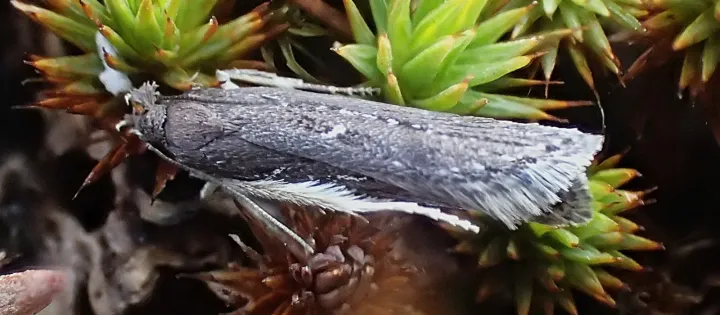
The adult moths are relatively small, with a wingspan ranging from 12 to 15 mm. Their wings often feature mottled grey and brown patterns, providing effective camouflage against foliage.
Larvae, or caterpillars, represent the destructive stage of the lifecycle. They typically grow up to 10 mm in length and exhibit greenish or brownish coloration to blend into the host plants.
Pupation occurs within protective brown cocoons, often located in the soil or amidst plant debris, which helps the species survive adverse weather conditions during the winter.
Taxonomically, the genus is part of the order Lepidoptera. Identifying specific species within the genus often requires morphological examination, but the damage symptoms are usually distinct.
What it damages
The primary hosts for Neofaculta larvae are plants in the Fabaceae family, including various types of beans and pulses essential for agricultural production.
The larvae are specialized in feeding on reproductive plant organs, such as buds, flowers, and young pods. This direct damage significantly prevents seed development and yield formation.
In addition to reproductive damage, the larvae often skeletonize young leaves or fold them together using silk webbing, which inhibits photosynthesis and weakens the overall plant vigor.
During outbreaks, Neofaculta can cause severe economic loss by destroying the majority of the flowers, leading to total or partial crop failure on heavily infested fields.
The integrity of the crop is further compromised as damaged tissues become entry points for various secondary fungal and bacterial pathogens.
When it appears
The flight period of adult moths typically begins in late spring, depending on the climatic conditions and regional temperature patterns of the growing season.
Females lay eggs on the host plants, specifically targeting areas with abundant foliage or developing buds to ensure the larvae have immediate access to food upon hatching.
The most critical period for crop protection is the flowering stage, as larval activity peaks when plants are producing the structures necessary for grain yield.
The species usually completes one or two generations per year, with the final generation transitioning into a diapause state to survive the winter months.
Overwintering takes place in the pupal stage, buried in the soil or protected by leaf litter, ensuring high survival rates for the following spring cycle.
Signs of infestation
The most visible sign of infestation is the presence of webbed clusters of leaves or buds, which the caterpillars create as a protective shelter during feeding.
Observing the flowers is crucial, as early stages of damage appear as gnawed petals or stamens, accompanied by small accumulations of larval excrement (frass).
Premature abscission (dropping) of buds and flowers is a classic indicator that larval feeding has occurred within the reproductive structures of the plant.
- Webbed leaves and buds.
- Gnawed reproductive organs.
- Presence of larval frass in flower clusters.
- Stunted growth of pods.
- Premature drop of blossoms.
Careful field scouting during the early flowering period allows farmers to detect the presence of larvae before significant economic damage occurs.
Control measures
Effective management begins with cultural practices such as deep fall plowing to destroy overwintering pupae hidden in the soil surface.
Crop rotation and maintaining field hygiene by removing legume weeds help prevent the buildup of pest populations near sensitive crop areas.
Chemical control involving systemic or contact insecticides is recommended when larval populations exceed the established economic threshold during the budding phase.
Biological control methods, including the use of pheromone traps for monitoring and natural predators or microbial agents, provide sustainable alternatives to synthetic pesticides.
Regular monitoring of field edges and hotspots is essential for timely intervention, ensuring that the control strategy remains cost-effective throughout the season.
Taxonomy
- Latin name
- Neofaculta
- Order
- Lepidoptera (butterflies)
- Family
- Gelechiidae
- EPPO code
- NFACSP
Discussion
No discussions yet — be the first.